Tariffs Increase But Not Final, Asian Stocks Rebound?
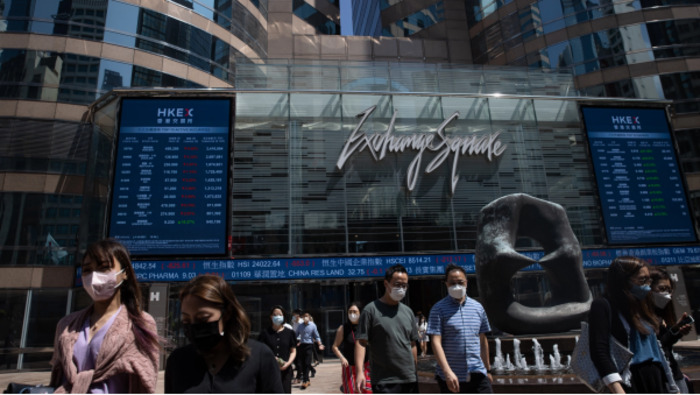
Asian stocks posted modest gains on Tuesday (8/7), boosted by signals from US President Donald Trump that he is opening up room for additional negotiations on import tariffs. After announcing high new tariffs on several Asian countries, including Japan and South Korea, Trump said the policy was not yet final and could still be negotiated before being officially implemented on August 1. This provided some relief for investors and prompted a slight rebound in the regional equity market.
The MSCI Asia Pacific stock index rose about 0.3%, led by gains in Japanese and South Korean stocks. On the other hand, the S&P 500 index contract recorded a slight decline, reflecting the cautious attitude of global market players. The Japanese yen also strengthened after previously experiencing its biggest weakening in almost two months. Analysts call Trump's approach a "carrot and stick" strategy, namely making threats and then opening up negotiation space to encourage quick agreements from partner countries.
The new tariffs announced include 25% import duties on goods from Japan, South Korea, and Malaysia; And higher tariffs for other countries such as Indonesia (32%), Bangladesh (35%), Thailand in Cambodia (36%), and Laos in Myanmar (40%). Although this policy triggered initial turmoil in the market, optimism remains that these countries will reach a deal with the US to avoid a slowdown in growth. Meanwhile, the US economy itself has shown resilience, with inflation under control and a solid labor supply.
In terms of currencies, the US dollar index weakened slightly after strengthening significantly the previous day. The previous strengthening of the dollar was considered a response to the belief that the US economy could withstand the potential impact of the trade war. Analysts warn that while the chance of reaching a deal remains open, investors should remain vigilant about the risk of headlines and new tensions. One thing is for sure: in July, new tariffs will not be imposed, giving negotiators crucial time to salvage trade relations before the August deadline.
Source: (ayu-newsmaker)