Trump Wants to Replace Fed Chair Sooner, What Impact Will It Have on Asia?
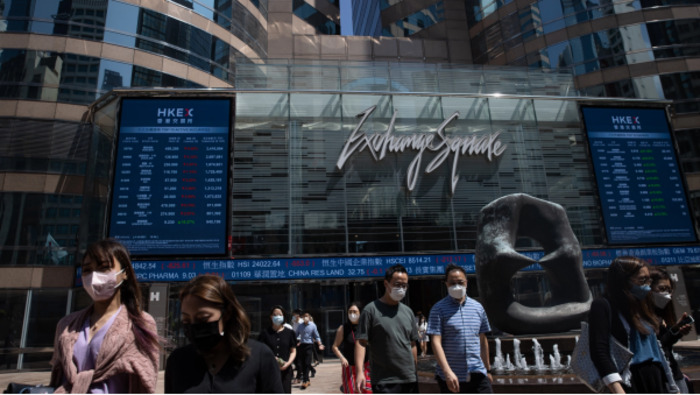
Asian stock markets opened higher on Thursday (6/26), led by a rally in Japanese stocks that pushed the MSCI Asia-Pacific regional index up 0.3%. The Topix index's gain helped offset a decline in Australian equities, while U.S. stock contracts opened flat after the S&P 500 was flat and the Nasdaq 100 edged up 0.2% overnight, driven by a new record from Nvidia Corp. The performance of Asian stocks was also influenced by investor concerns about global uncertainty, ranging from U.S. tariff policies to geopolitical tensions in the Middle East.
In the bond market, short-term U.S. Treasury yields fell after the latest data fueled expectations that interest rates could be cut if uncertainty eases. The decline in the two-year yield by four basis points indicated increased demand for safe assets. Meanwhile, the U.S. dollar weakened after reports that Donald Trump was considering announcing an early replacement for Fed Chair Jerome Powell, even though his term still has 11 months left. The weakening dollar pushed gold prices steady after previously rising 0.3%.
A ceasefire between Israel and Iran, which entered its second day, has helped ease global energy market concerns, although oil prices remain volatile. Russia is reportedly open to increasing production at the next OPEC+ meeting, while Trump's comments on Iran sanctions have again fueled concerns. Trump also said the US will meet with Iran next week, although he doubts a diplomatic deal on the country's nuclear program will be reached.
On the monetary policy side, Fed Chairman Jerome Powell said it was difficult to predict the inflationary impact of US tariffs, and trade uncertainty was the main reason the central bank kept interest rates on hold. Market analysts expect the Fed may not start cutting rates until September 2025, depending on tariff developments and economic growth. In Asia, Hong Kong's central bank also stepped in by buying local dollars to maintain the currency's peg to the US dollar, indicating regional stabilization efforts amid global uncertainty.
Source: (ayu-newsmaker)