Asian Stocks Follow Wall Street Down, Markets Wary of Oil's Impact on Inflation
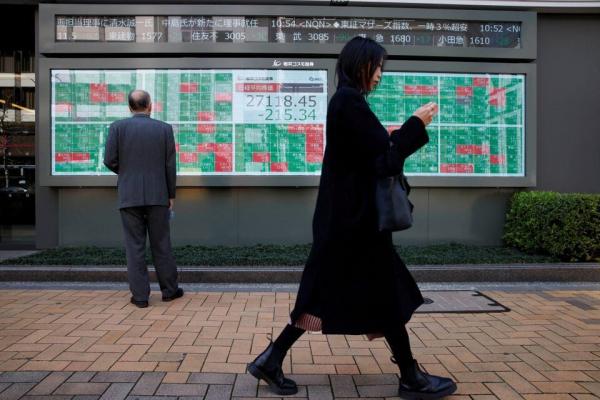
Asian stocks weakened in early trading on Friday, following Wall Street's decline, as investors focused on oil prices amid concerns that a war in Iran would strain energy supplies and exacerbate inflationary pressures. Asian stock indexes fell 0.5% after the S&P 500 slumped 1.5% to its lowest level since November. The Nasdaq 100 fell 1.7% on Thursday, while megacap indexes approached the "correction" threshold. US index futures opened higher, signaling a potential pause in the pressure early in the session.
Markets believe energy risk premiums remain high despite oil's slight decline on Friday, after hitting its highest close since August 2022. US President Donald Trump and Iran's new supreme leader have both taken firm stances, with Iran insisting the Strait of Hormuz should remain closed. According to Chris Weston of Pepperstone, markets appear to be extending expectations for the duration of the Hormuz closure and the broader conflict, which risks further damaging the inflation outlook and consumption patterns, ultimately depressing corporate profits.
Inflation concerns have again spread to bond markets and policy expectations. Treasury yields stabilized early Friday after weakening in the previous session, with short-dated yields rising to their highest level since August. The US 2-year yield rose nine basis points to 3.74% on Thursday, while the 10-year note rose three basis points to 4.26%. Market participants are also said to have removed expectations of a Fed rate cut in 2026, tightening financial conditions that generally weigh on stock valuations, particularly in growth-oriented sectors.
The dollar closed at a nearly two-month high before weakening slightly on Friday. Investors await the release of the next US inflation data, although the backward-looking measure is seen as having little potential to shift market views amid geopolitical uncertainty. With the Fed expected to leave rates on hold next week, focus is also on the language of the statement and officials' projections. Stephen Brown of Capital Economics believes the most hawkish outcome would be if the Fed removes the easing bias from the statement, while the median projection shifts from one cut this year to no change.
On the energy front, Goldman Sachs warned that oil prices could surpass their 2008 peak if flows through Hormuz remain depressed through March. The International Energy Agency said the Iran war has triggered "unprecedented" turmoil in the oil market, impacting approximately 7.5% of global supply and a larger portion of exports. The US government is also reportedly planning to temporarily waive a century-old maritime rule requiring American ships to be used for domestic port-to-port transportation in an effort to curb price spikes. Meanwhile, US Energy Secretary Chris Wright stated that the US Navy could begin escorting tankers through Hormuz by the end of March.
The market will be monitoring the direction of oil prices and developments in the Strait of Hormuz, the response of US yields to inflation risks, the US inflation release, and the Fed's signals next week, as pressure on large technology stocks becomes a key indicator of global risk appetite. (asd)
Source: Newsmaker.id