Yen Nears 160; Intervention Risk Intensifies Again
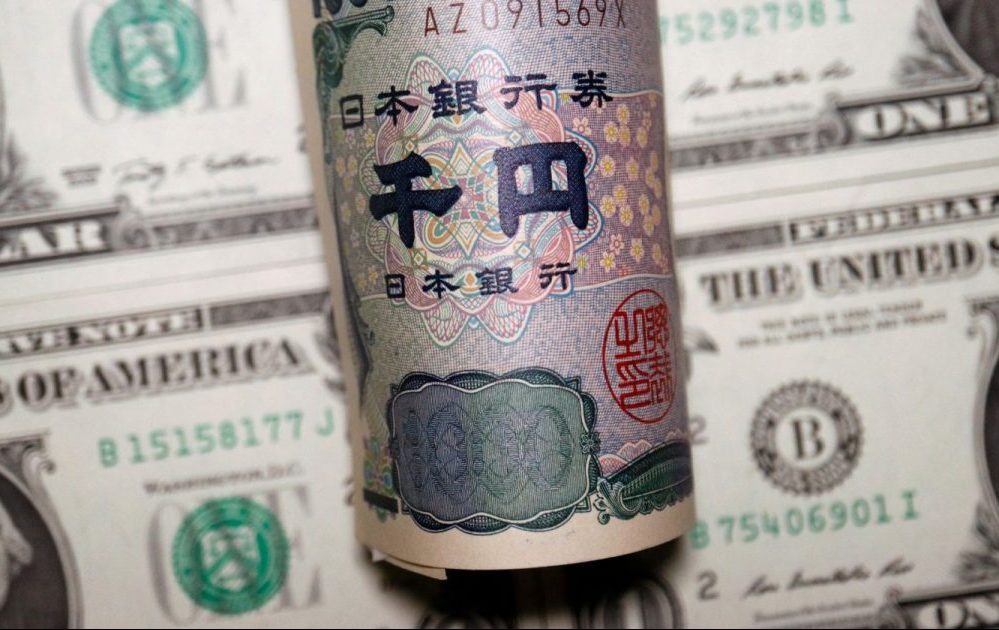
The Japanese yen traded around 159.3 against the dollar on Thursday (August 13), remaining very close to the psychological 160 level. This situation has put market participants on alert once more regarding the possibility of fresh intervention by Japanese authorities should the currency's depreciation continue.
Pressure on the yen stems from long-standing fundamental factors. The interest rate differential between Japan and the United States remains wide, while fiscal concerns and high energy and import costs continue to weigh on the Japanese currency.
Interestingly, the yen has struggled to strengthen even though recent, relatively benign US inflation data eased pressure on the Federal Reserve to raise interest rates in the near term. This indicates that domestic Japanese factors remain the dominant force driving the yen's weakness.
On the domestic front, Japan's producer prices rose 7.2% in July—a slight slowdown from June's 7.3% and below the 7.4% forecast. Nevertheless, price pressures remain elevated, prompting the Bank of Japan to maintain a cautious stance.
A summary of opinions from the BoJ's July meeting also revealed growing concern regarding inflation risks. One member even raised the possibility of accelerating the pace of interest rate hikes if price pressures continue to mount.
Newsmaker Analysis: The 160 area represents a critical level for the USD/JPY pair. Should the yen weaken further and breach this level, speculation regarding intervention could surge. However, as long as the US-Japan interest rate gap remains wide and import costs stay high, any yen appreciation is unlikely to be sustained without more aggressive policy support from the BoJ. (asd)*
Source: Newsmaker.id