Dollar Stages a Comeback; US Yields Rise Again
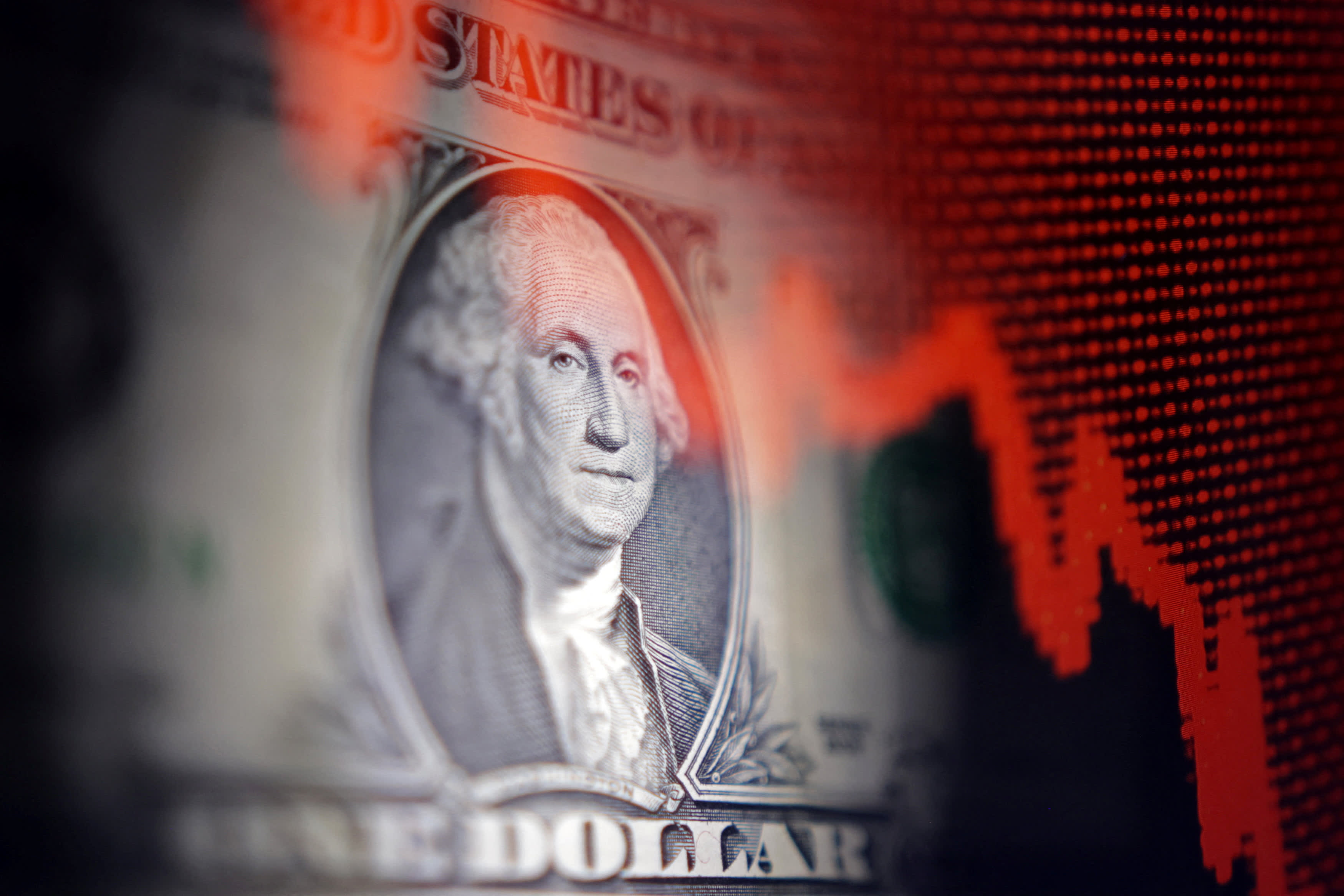
The US dollar began to strengthen during Friday's trading session after briefly touching a six-week low. The dollar index rose approximately 0.3% to the 100.2 level, although it remains on track for a monthly decline for July.
The dollar's rise was primarily driven by climbing US government bond yields. The two-year yield moved toward 4.25% as investors assessed the likelihood of US interest rates remaining elevated for longer, given that inflation has not yet fully returned to the Federal Reserve's target.
The greenback's strengthening also followed a partial reversal of the yen's sharp gains. The Japanese currency had previously surged due to suspected government intervention but weakened again after the Bank of Japan maintained interest rates and was perceived as failing to signal sufficiently aggressive monetary tightening.
According to Newsmaker analysis, the current rise in the dollar is best described as a rebound rather than a full trend reversal. The dollar could extend its gains if US yields continue to rise and economic data indicates persistent inflationary pressure. However, the greenback's trajectory remains vulnerable to change, as the Fed has not yet provided clear guidance on its next interest rate move.
Market Impact:
Gold: A stronger dollar and rising yields could pressure gold prices by increasing the opportunity cost of holding the precious metal. However, US-Iran tensions could still limit the decline by driving demand for safe-haven assets.
EUR/USD: Potentially facing a correction as the dollar regains support. The euro will require strong European economic data to sustain its gains.
USD/JPY: Likely to rise again as the yen loses momentum. The risk of further Japanese intervention could still trigger sudden, sharp movements.
US Stocks: Rising yields could weigh on technology stocks and companies with high valuations. However, a strengthening dollar may also reflect demand for US assets.
Rupiah: At risk of weakening if the dollar's rally continues, potentially driving capital outflows from emerging market assets.
Conclusion: The dollar's rise acts as a negative factor for gold, the rupiah, and the EUR/USD pair. However, this strengthening is not yet fully solid, as the market is still awaiting certainty regarding the direction of the Fed's policy.