Dollar Weakens, Iran Deal Hopes Cut Safe-Haven Demand
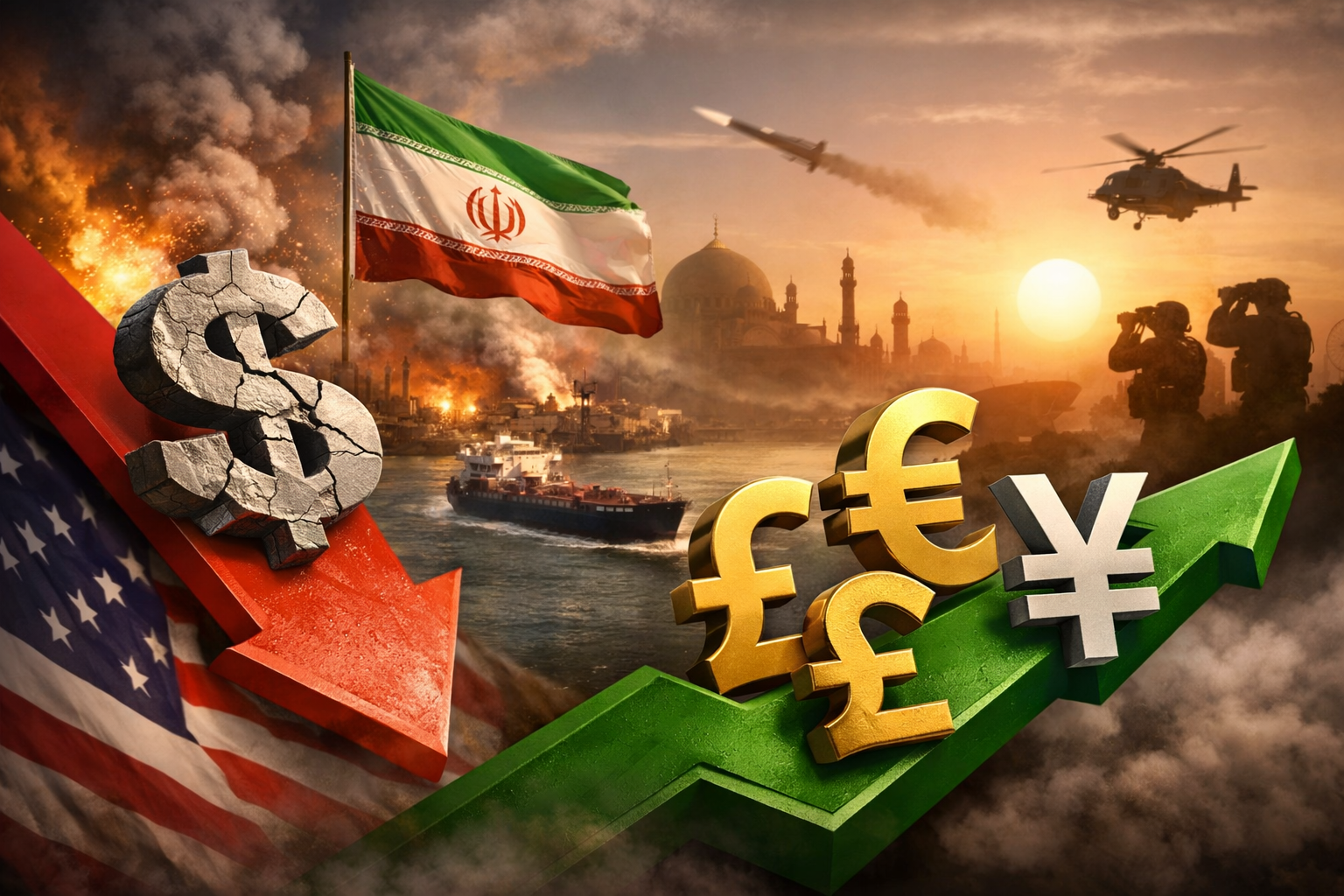
The US dollar weakened the most in more than a month after President Donald Trump called off plans for a military strike against Iran and said a peace deal was close. This statement dampened demand for safe-haven assets, which had previously been a key support for the dollar during the escalating Middle East conflict.
The Bloomberg Dollar Spot Index fell 0.3% on Thursday afternoon (June 11) in New York, marking its worst daily decline since May 6. The dollar's weakening coincided with falling oil prices and strengthening US Treasuries, as markets began to unwind some of their geopolitical risk premiums.
Since the US-Iran conflict began in late February, the dollar has strengthened by about 1.6% as investors sought refuge in assets perceived as safe. The dollar is also sensitive to oil prices; when oil rises due to supply risks, the dollar tends to draw support from risk-off flows.
Trump's latest comments have shifted short-term sentiment. His more constructive tone regarding the chances of a deal with Iran has led markets to believe the risks of energy disruptions and military escalation may be easing. Under these conditions, the need to hold the dollar as a safe haven has also diminished.
Despite this, the options market still shows that traders haven't completely abandoned their bullish positions on the dollar. The cost of hedging against dollar strength has indeed decreased, but still reflects expectations that the US currency will remain supported if uncertainty increases again.
For now, the dollar's direction will depend heavily on confirmation of the US-Iran deal, developments in the Strait of Hormuz, oil prices, and expectations for the Fed's interest rate. If diplomacy actually resumes, pressure on the dollar could persist. However, if the deal is delayed again, safe-haven flows could quickly return. (Arl)
Source: Newsmaker.id