Pound Weakens Near Weekly Low as Middle East Tensions Lift Dollar
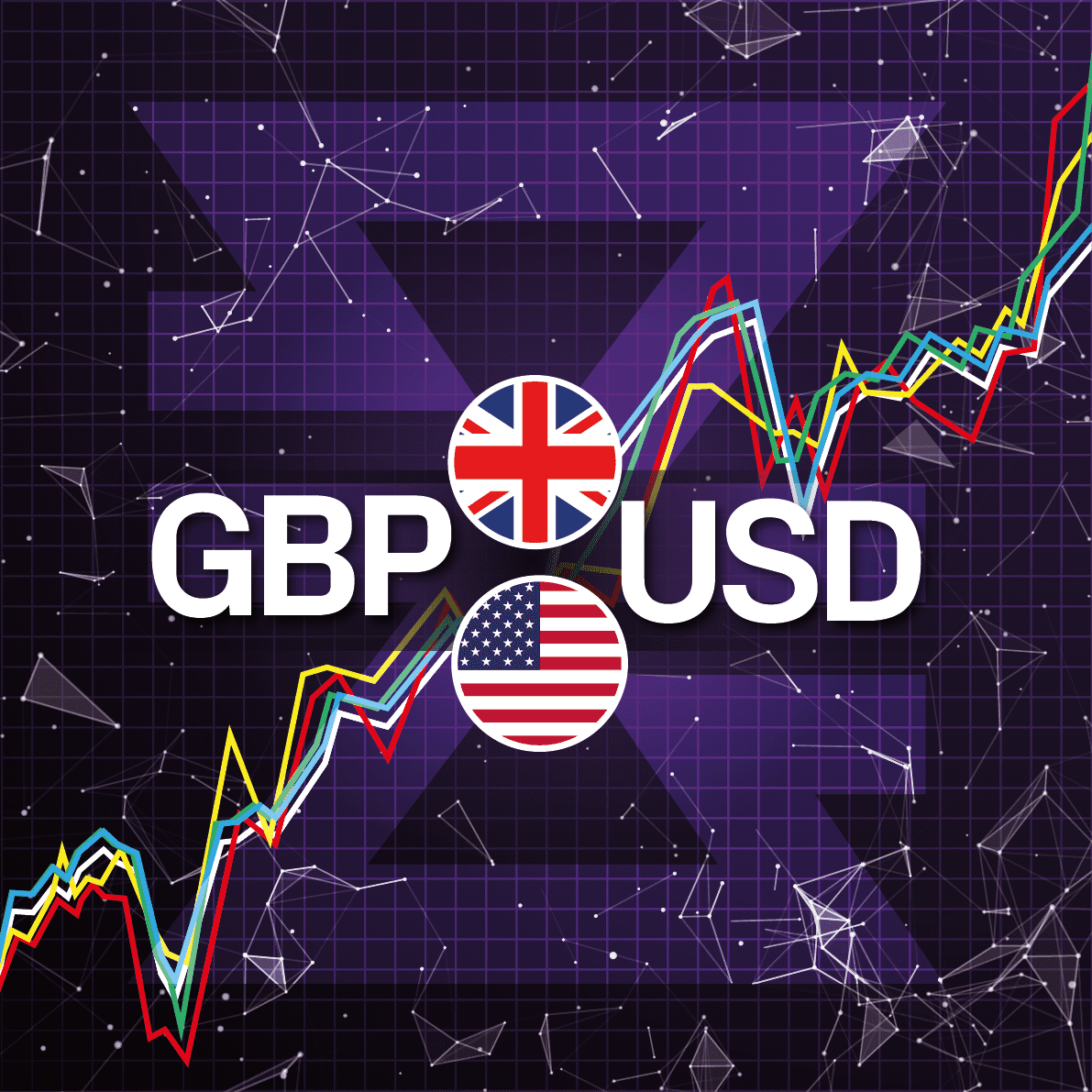
The pound sterling weakened against the US dollar in Thursday trading, with GBP/USD falling for the third consecutive day and briefly touching a weekly low around 1.3370 during the Asian session. The pair then pared losses and held near 1.3400, down less than 0.15% on the day.
The main pressure came from a strengthening dollar driven by safe-haven flows, as markets saw no signs of abating in the Middle East conflict. The dollar benefited from a shift in sentiment toward defensive assets, which typically pressures riskier currencies and USD-denominated pairs.
The escalation is said to have escalated after Iran's IRGC announced it had launched a joint operation with Hezbollah against targets in Israel, Jordan, and Saudi Arabia. This development follows reports of the most intense US-Israeli bombing of Iran on Tuesday, which was seen as deepening geopolitical uncertainty.
At the same time, reports of two tankers being attacked in the northern Persian Gulf region near Iraq and Kuwait pushed oil prices higher again. Rising oil prices have reinforced inflation concerns and kept US Treasury yields trending higher, which in turn has provided additional support for the dollar.
Data-wise, the latest US CPI release is said to have shown signs of moderating price growth. This keeps the market open to the possibility of a Fed rate cut in the future, limiting the dollar's upside and helping to prevent further GBP/USD weakness.
In the UK, the pound's movement was also supported by shifting Bank of England (BoE) policy expectations. The market narrative shifted from projections of three interest rate cuts to a greater probability of a rate hike by the end of the year, leading market participants to maintain aggressive bearish positions on the pound.
Market participants await a speech by BoE Governor Andrew Bailey for the next catalyst, ahead of the release of UK monthly GDP and the US PCE Price Index on Friday. However, the primary focus remains on geopolitical developments and oil movements, as a surge in energy-driven inflation could alter the central bank's policy outlook and increase cross-market volatility. (asd)
Source: Newsmasker.id