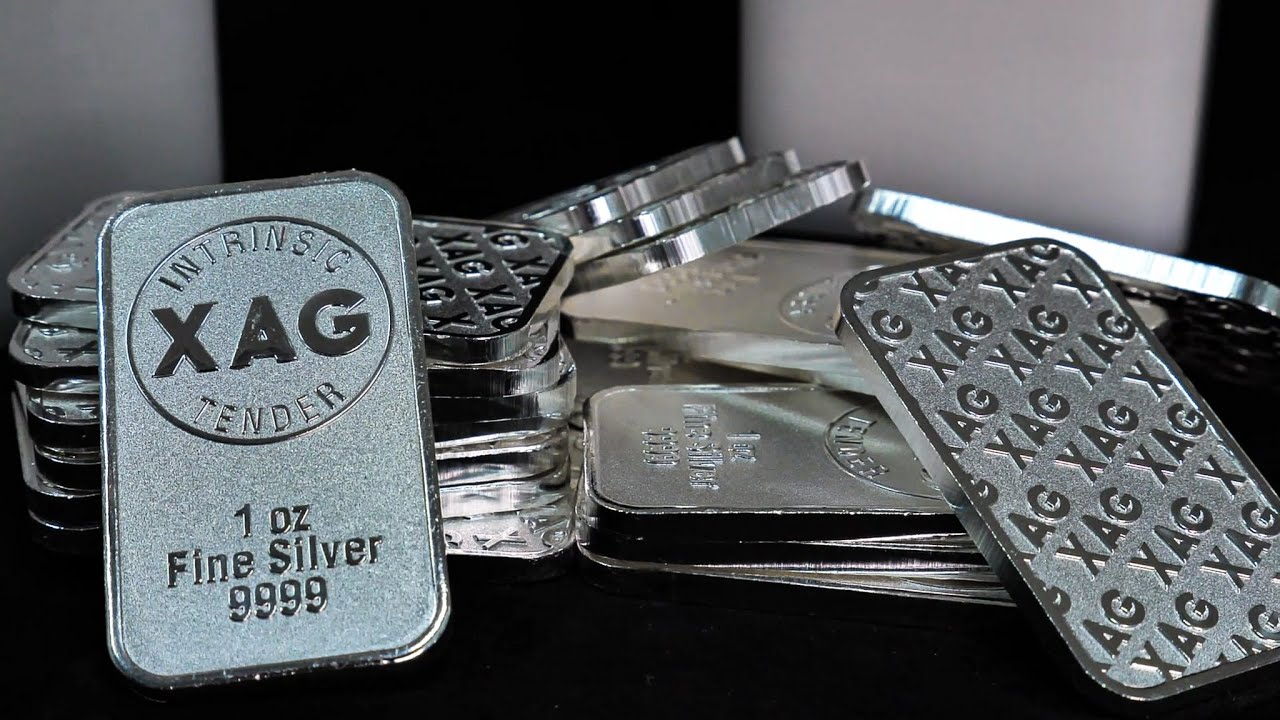
De-escalation Signals Lift Sentiment, Silver Holds at US$68
Silver prices hovered around US$68 per ounce on Tuesday, holding steady after a sharp rebound in the previous session. The market viewed the postponement of a planned US attack on Iran's energy infrastructure as a factor that temporarily eased risk-off pressures and opened up room for stabilization in the precious metal.
US President Donald Trump announced a five-day delay to the previously planned attack, which was seen as an effort to ease pressure on energy prices. Following the announcement, oil benchmarks reportedly fell around 10%, while the US dollar and Treasury yields also softened—a combination that typically supports precious metals.
However, de-escalation signals are not yet solid. Tehran denies negotiations, while Israel reportedly continues its attacks on Iran. This uncertainty makes the direction of reopening the Strait of Hormuz difficult to determine, keeping energy inflation risks on market participants' radars.
For silver, the main transmission channels come from inflation and interest rates. When energy prices rise, markets tend to reinforce expectations of higher interest rates for longer—or additional tightening—which weighs on precious metals. Therefore, the current stabilization is seen more as a technical pause than a convincing trend change.
Previous pressures also remain. Silver has fallen by around 37% from its March peak, when the energy boom triggered inflation repricing and strengthened expectations of interest rate hikes. The deep correction makes silver's movements increasingly sensitive to changes in the dollar, yields, and geopolitical headlines.
Going forward, the market will monitor whether oil prices stabilize or rebound, as well as whether there are concrete developments leading to the opening of Hormuz or a credible diplomatic process. As long as energy uncertainty persists, silver has the potential to remain volatile, even if it finds a short-term "floor."
Source: Newsmaker.id