Gold Weakens to $4,527, as Energy Supply Risks Fuel Inflation Concerns
Gold prices fell as market concerns renewed that US-Iran peace talks could be disrupted following a US attack near the Strait of Hormuz. If tensions persist, oil supplies could become more disrupted, energy prices remain high, and inflation will be more difficult to reduce.
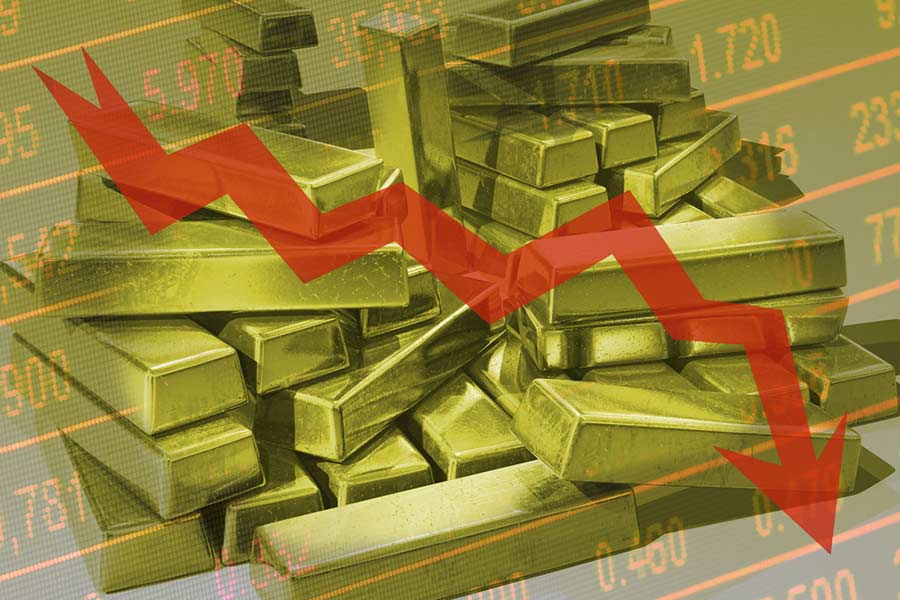
Gold fell about 0.9% to around US$4,527 per ounce on Tuesday (May 26), after rising the previous day. The US military said the attack targeted a missile launcher site in Iran and a ship suspected of attempting to lay mines, claiming it was to protect US troops.
At the same time, Brent oil prices rose about 2%. This rise in oil is significant because expensive energy typically drives inflation. If inflation persists, the likelihood of interest rates remaining high also increases, which tends to put pressure on gold as it does not yield interest.
The situation is further complicated by the fact that during the negotiations, Israel has announced it will intensify its attacks on Hezbollah, while Iran has demanded an end to the conflict in Lebanon as part of the terms of the agreement. This means that, despite US President Donald Trump's optimistic statement that talks are "going well," the market is not yet convinced that conditions have stabilized.
More broadly, gold is said to have fallen around 14% since the conflict broke out in late February. The World Gold Council believes that a stronger recovery in gold will likely take time, as energy market balance will not be immediately restored even if the conflict ends.
In midday trading in Singapore, spot gold was around US$4,526.80 per ounce. Silver fell around 2% to US$76.50, platinum and palladium also weakened, while the Bloomberg Dollar Index strengthened slightly—which typically makes gold heavier because its price is calculated in US dollars. (asd)*
Source: Newsmaker.id