Oil jumps more than 7% after Israeli strikes on Iran
Oil prices jumped more than 7% on Friday, trading near multi-month highs after Israel launched a major strike on Iran, prompting Iranian retaliation and raising concerns about disruptions to oil supplies.
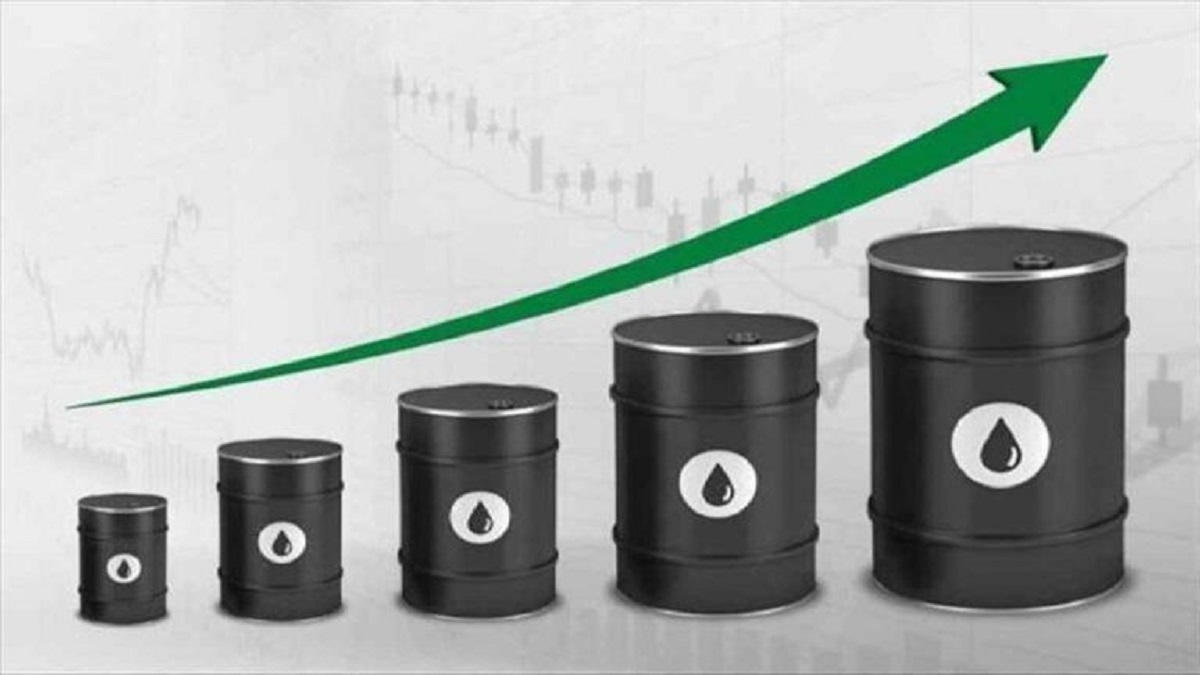
Brent crude futures jumped $5.1, or about 7.4%, to $74.46 a barrel by 0843 GMT after hitting an intraday high of $78.50, the highest since Jan. 27.
U.S. West Texas Intermediate crude rose $5.1, or 7.5%, to $73.15 a barrel after hitting a high of $77.62, the highest since Jan. 21.
Friday’s gains were the biggest intraday moves for both contracts since 2022, after Russia’s invasion of Ukraine sent energy prices soaring. Israel said it targeted Iran’s nuclear facilities, ballistic missile factories and military commanders on Friday at the start of what it warned would be a protracted operation to prevent Tehran from building atomic weapons.
Iran’s nuclear facility at Natanz was damaged, the country’s atomic energy organization said in a statement, but investigations have not shown any radioactive or chemical contamination beyond the site.
The main concern is whether the latest developments will affect the Strait of Hormuz, said SEB analyst Ole Hvalbye. The key waterway has previously been at risk from rising regional volatility but has not been affected so far, Hvalbye said.
There has also been no impact on oil flows in the region, he added.
About a fifth of the world’s total oil consumption passes through the strait, or about 18 to 19 million barrels per day (bpd) of oil, condensate and fuel.
In a worst-case scenario, JPMorgan analysts said Thursday that a closure of the strait or a retaliatory response from major oil-producing nations in the region could send prices soaring to the $120-130 per barrel range, nearly double their current baseline forecast.
The $10-per-barrel price increase in the past three days does not reflect a decline in Iranian oil production, let alone an escalation that could disrupt energy flows through the Strait of Hormuz, Barclays analyst Amarpreet Singh said in a note.
US Secretary of State Marco Rubio called Israel’s attacks on Iran a “unilateral action” and said Washington was not involved while also urging Tehran not to target US interests or personnel in the region.
“The key question now is whether this oil rally will last beyond the weekend or a week — our signal is that there is a lower probability of a full-blown war, and the oil rally is likely to face resistance,” said Janiv Shah, an analyst at Rystad.
"The fundamentals suggest that almost all of Iran's exports are destined for China, so discount Chinese buying would be the most risky here. OPEC+ spare capacity could provide a stabilizing force," he added.
In other markets, stocks plunged and there was a rush to safe havens such as gold and the Swiss franc.
"The key question is whether Iran's retaliation will be limited to Israel or whether leaders will seek to internationalize the costs of tonight's action by targeting critical economic bases and infrastructure across the wider region," RBC Capital analyst Helima Croft said in a note. (alg)
Source: Reuters