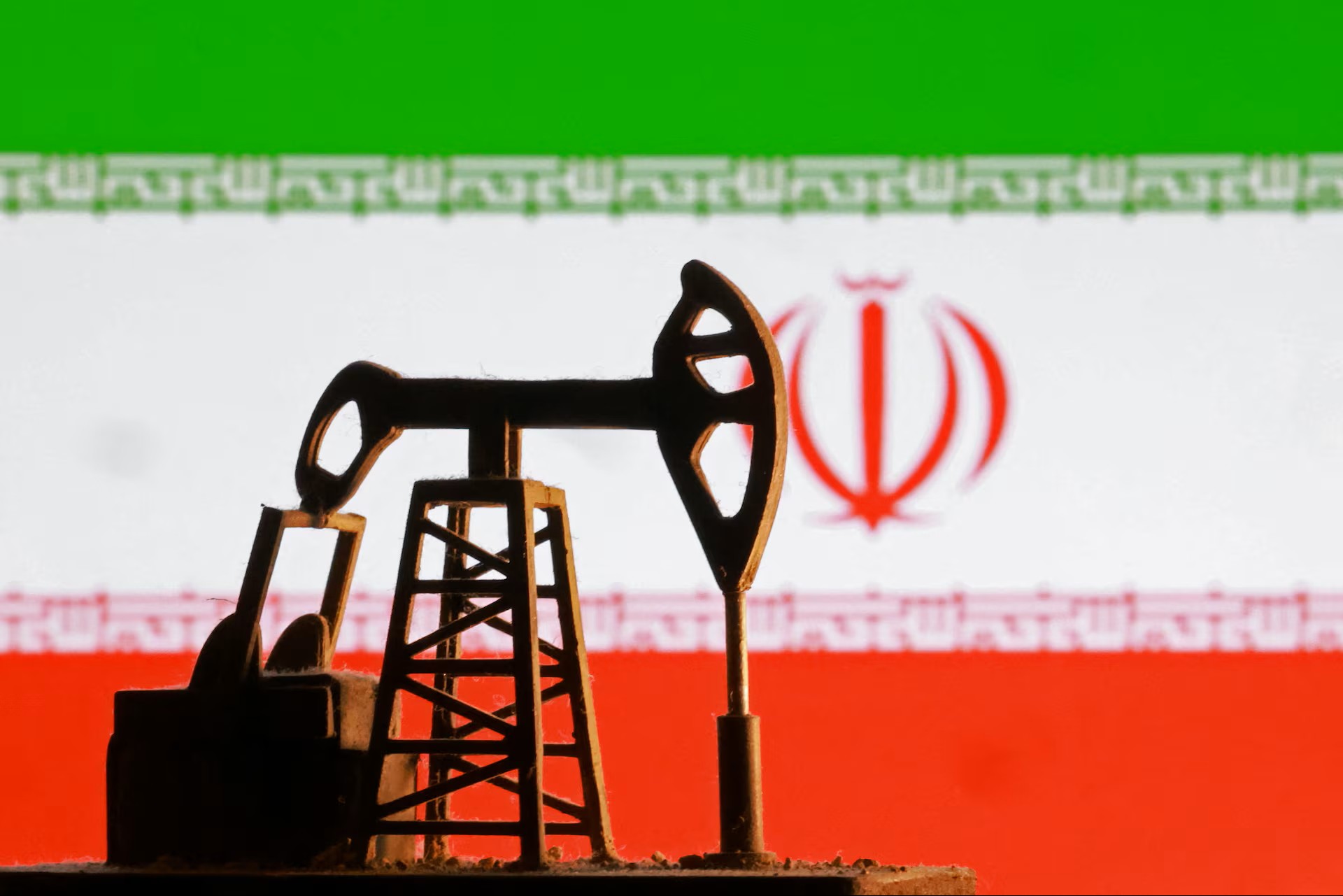
Iranian Supply Eases, Oil Prices Reversing Downward
World oil prices weakened in Monday's (June 22nd) European trading session after talks between the United States and Iran in Switzerland raised new hopes for global supply stability. Brent traded around US$79–80 per barrel, after rising to US$82.30 earlier in the session. Meanwhile, West Texas Intermediate (WTI) crude oil hovered around US$76–77 per barrel, with market participants still monitoring contracts expiring the same day.
Pressure on oil prices emerged after Iran announced it had obtained waivers for oil and petrochemical exports. This statement eased market concerns about a potential supply shortage, especially after oil prices had previously been driven up by US President Donald Trump's threats to attack Iran and Tehran's announcement to close the Strait of Hormuz. This route is a major concern as it is a vital global energy shipping route.
From a fundamental perspective, the market believes the potential resumption of Iranian oil exports could increase supply amidst still-unstable global demand. Iranian Foreign Minister Abbas Araqchi stated that his country has also secured the release of some frozen assets and plans for reconstruction and development. If Iranian oil exports continue, additional barrels to the market could potentially curb oil price increases in the short term.
However, restoring supply is not entirely straightforward. Several producing countries, such as the United Arab Emirates, Kuwait, and Iraq, have reportedly begun offering additional oil to customers. Iraq also plans to gradually restore production to a range of 4.2 million to 4.3 million barrels per day. However, geopolitical risks remain a significant factor, as the conflict in Lebanon escalated after an Israeli attack killed at least 20 people, just a day after a ceasefire with Hezbollah went into effect.
Given these conditions, the direction of oil prices will still depend heavily on the continuation of US-Iran talks, developments in the Strait of Hormuz, and the consistency of supply recovery from the Middle East. As long as the risk of conflict remains intact, oil prices have the potential to remain volatile. However, for now, the market is responding more to the possibility of increased supply, resulting in Brent and WTI tending to correct from their highs. (arl)
Source: Newsmaker.id