TOK! US-Iran Agree on Technical Peaceful Path
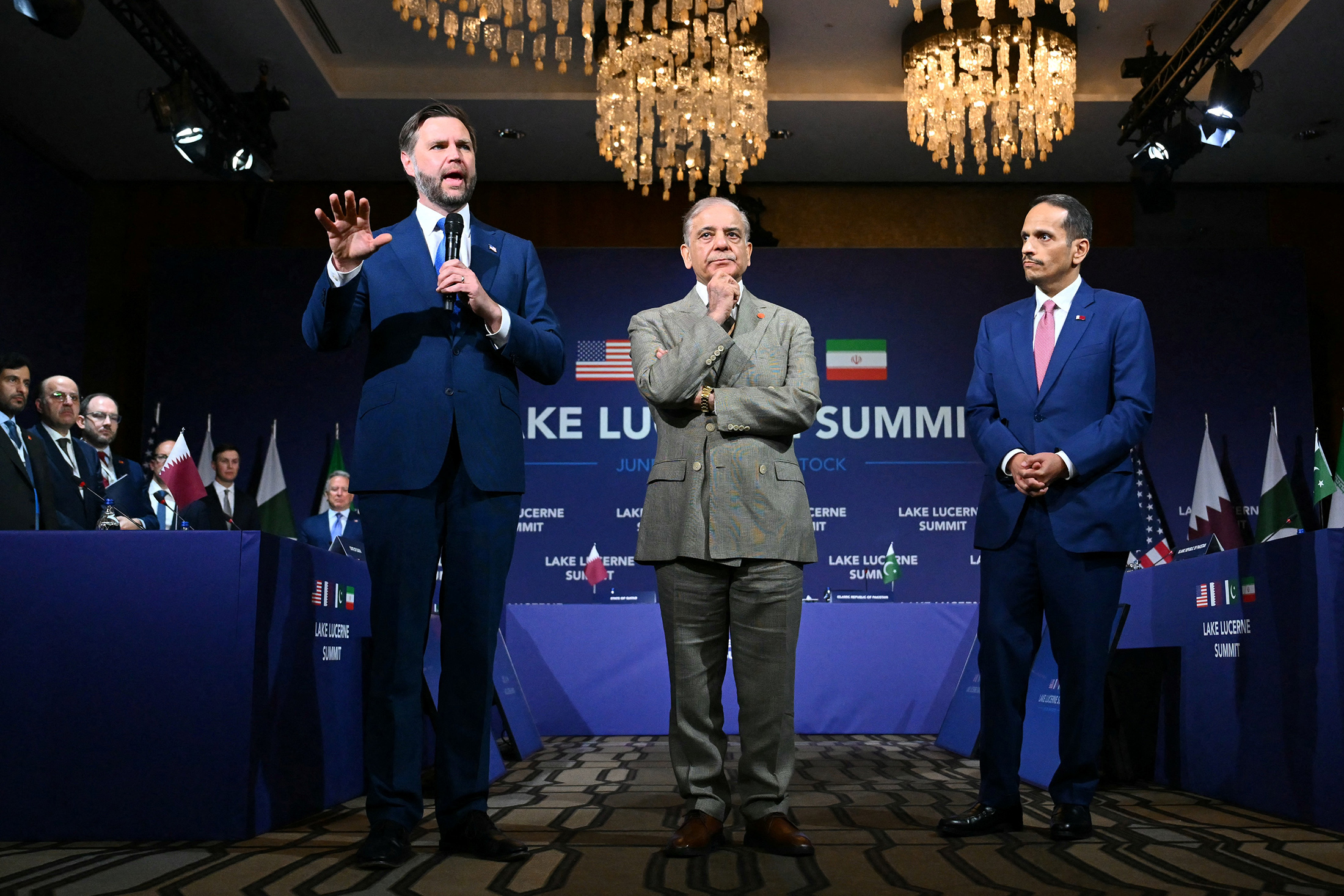
The United States and Iran noted progress in peace talks in Bürgenstock, Switzerland, on Monday (June 22). The talks focused primarily on resolving the conflict, Iran's nuclear program, and efforts to keep the Strait of Hormuz open to commercial shipping. Mediators from Qatar and Pakistan said the talks had made encouraging progress and would continue at the technical level throughout the week.
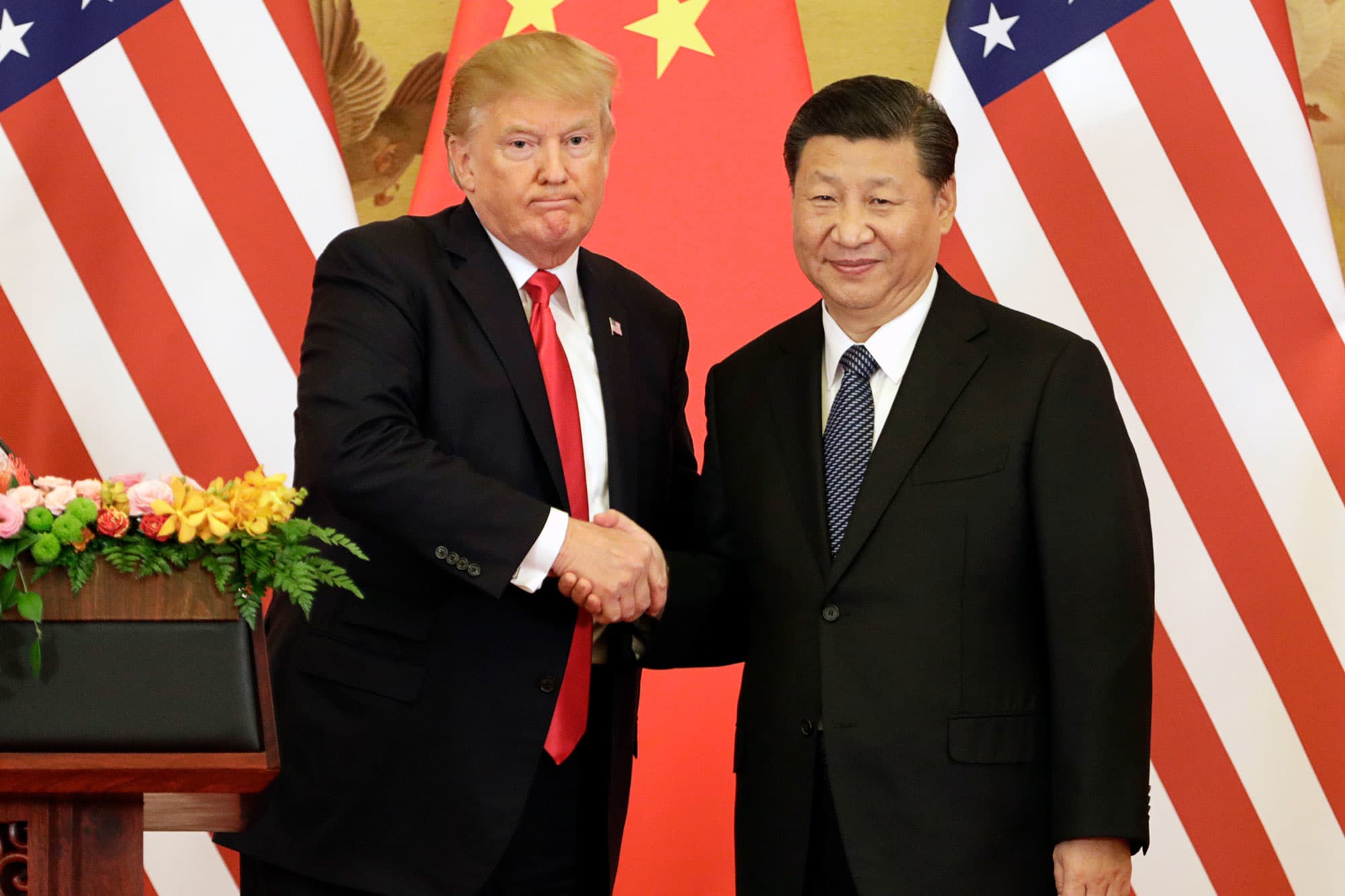
US Vice President JD Vance and Iranian Foreign Minister Abbas Araghchi were among the key participants in the meeting. The parties agreed on a roadmap to a final agreement within 60 days, in accordance with a memorandum previously signed by US President Donald Trump. This period provides diplomatic space to transform the temporary ceasefire into a more permanent agreement.
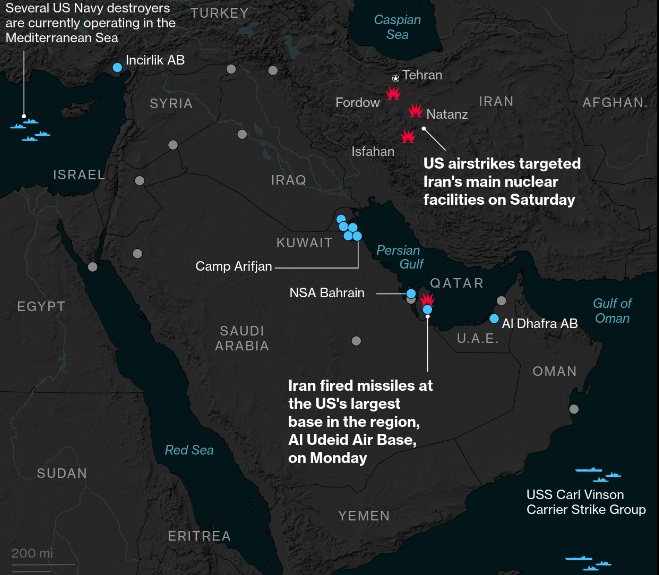
One important outcome of the talks was the establishment of a communication path between Washington and Tehran. This mechanism aims to prevent incidents, reduce the risk of miscalculation, and ensure the safe passage of commercial vessels through the Strait of Hormuz. This passage is crucial because Hormuz is a key route for global energy trade.
The parties also agreed to establish a deconfliction mechanism involving Lebanon. The goal is to help ensure a successful cessation of military operations in the region. The Lebanon issue has become a key part of the negotiations, as Iran links stability there to the continuation of a broader agreement with the US.
The market responded positively to these signs of progress. Crude oil prices reversed their decline after earlier sharply higher levels. Brent fell about 1.5% and returned to trading below $80 per barrel this morning, as investors assessed that the risk of supply disruptions through Hormuz was easing.
However, the negotiations are not risk-free. The meeting began in an uncertain atmosphere after Iranian media reported that Tehran had halted talks due to Trump's latest threats. The US president had previously stated that he would strike Iran again if Hezbollah continued its attacks on Israel, while warning that the US could impose a toll if no agreement was reached.
JD Vance emphasized that these talks were only the beginning of technical negotiations and would not resolve all differences. Issues remaining to be discussed include Iran's nuclear capabilities, economic relief for Tehran, US sanctions, frozen Iranian assets, and a security guarantee mechanism in the Strait of Hormuz.
Iran said the mediation by Qatar and Pakistan had yielded significant progress toward ending the war in Lebanon. Araghchi also stated that Iran's oil and petrochemical exports had been eased, the blockade lifted, some frozen assets released, and reconstruction and development plans for Iran had begun.
However, Israel's position remains a crucial variable. Israel was not a party to the talks that resulted in the interim agreement, but the Israel-Hezbollah conflict in Lebanon could determine whether the US-Iran process proceeds smoothly. Iran holds the US directly responsible for the situation in Lebanon and Israel's military actions, while Israel has insisted it will maintain troops in the border region until the Hezbollah threat is deemed to have subsided.
Shipping traffic in Hormuz remains a key indicator for energy markets. Although Iran has declared the strait would be closed again, millions of barrels of oil are still reportedly passing through. US Central Command reported that 55 merchant vessels carrying more than 17 million barrels of oil passed through the strait on Saturday. If US-Iranian communication lines remain effective and shipping flows remain secure, pressure on oil prices could ease; however, if the Lebanon conflict escalates or Hormuz is disrupted, energy risk premiums could potentially rise again. (asd)*
Source: Newsmaker.id