US-Iran Escalation Threats Fail to Stem Oil Prices
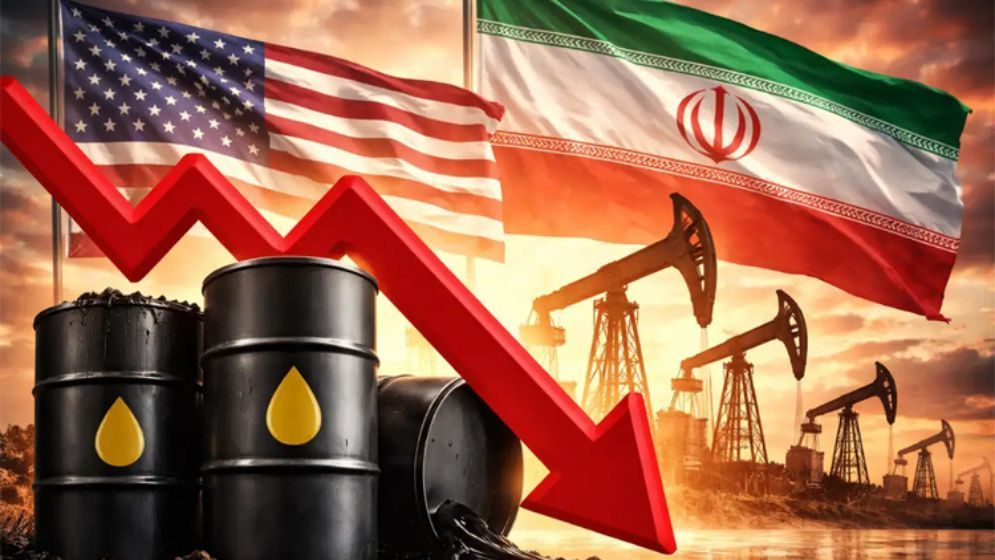
Oil prices weakened in volatile trading on Tuesday (June 9) after US President Donald Trump stated that the US would respond to the shooting down of an Apache military helicopter. The statement revived the risk of a clash with Iran, but the market remained pressured by emerging signs of weakening global demand.
Brent fell around 3% to close at US$91.45/barrel, while WTI fell 3.4% to US$88.20/barrel. Prices fluctuated as market participants weighed whether Trump's rhetoric would lead to a real escalation or merely political pressure in negotiations.
Trump blamed Iran for the Apache incident off Oman, raising concerns that the fragile ceasefire could collapse and the peace process could stall again. However, Trump did not specify a response, while the ceasefire has so far held despite being repeatedly tested by clashes and shadow wars in the region.
On the fundamental side, the main pressure comes from demand. China's overseas oil purchases fell to around 7.8 million bpd last month, the lowest level in more than eight years and well below the 2025 average. Weakening demand from the world's largest importer provides breathing room for global supply, especially as US exports increase and emergency reserves are released to contain the crisis.
There are also indications that oil flows are starting to move again, although the Strait of Hormuz remains effectively "locked" by the dual Iran-US blockade. Kuwait is offering oil to Asian refineries, a signal that supply from the region may be starting to flow, though not yet to normal. The market believes a full recovery remains a long way off, as mine clearance, restarting of shut-in fields, and repairing energy infrastructure will take time. (arl)*
Source: Newsmaker.id