Iran & Hormuz Conflict Drives Oil Volatility
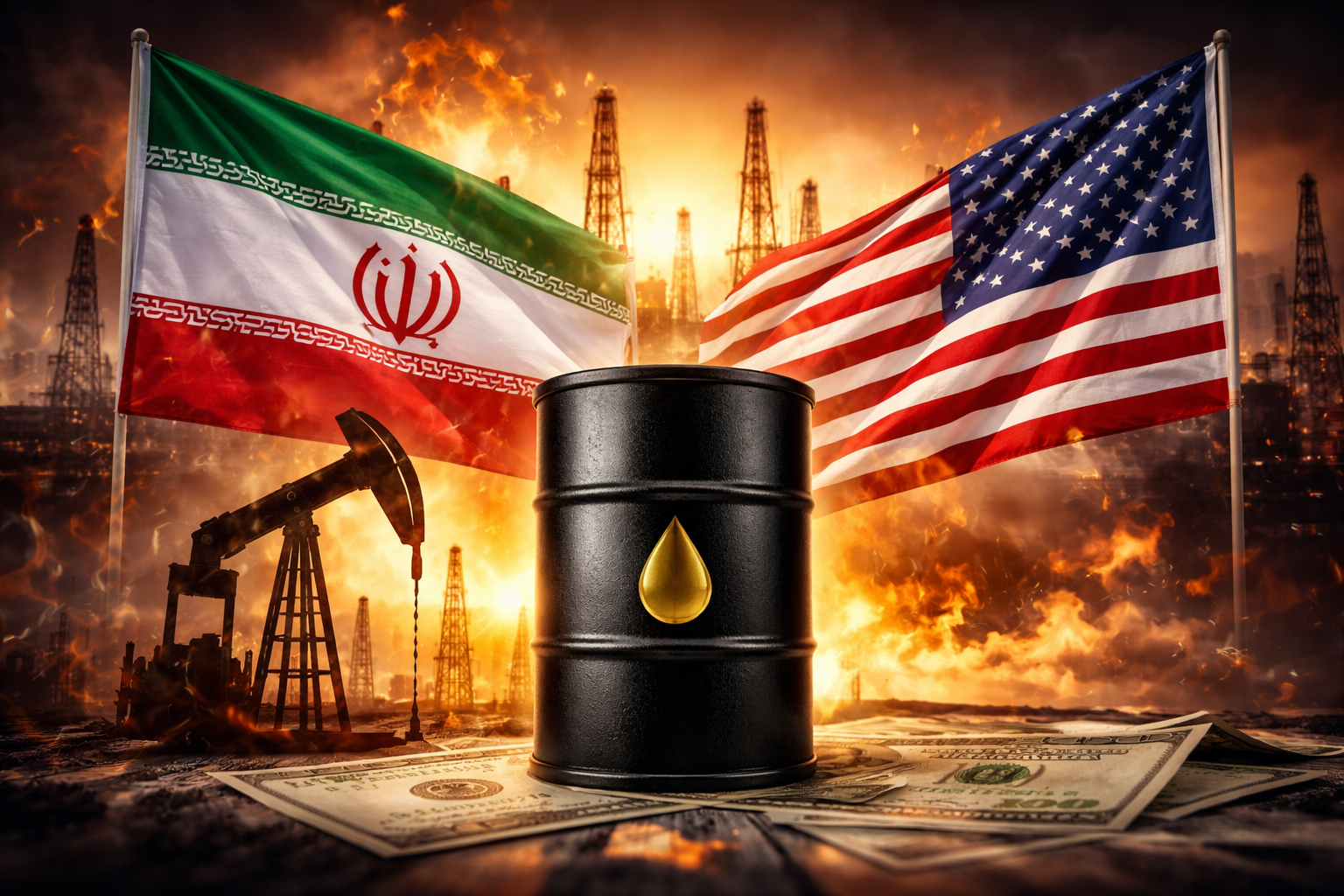
Oil prices fell again on Wednesday (May 20), with Brent at $108.83 per barrel and West Texas Intermediate (WTI) at $101.99 per barrel, after President Donald Trump hinted at the possibility of resuming attacks on Iran, despite previously delaying military action. This decline marked the second consecutive day of declining oil prices.
Trump's comments created mixed sentiment in the market. He stated that the war with Iran could end "very quickly" if negotiations were successful, but also emphasized that the United States might have to deal a "big blow" if Iran rejects his peace terms. This statement made investors cautious about taking positions in the energy market.
In the Strait of Hormuz, three supertankers were seen attempting to pass through the strategic waterway, which had previously been almost completely closed due to the conflict. This increase in traffic is a positive sign that global oil supplies may be recovering, putting downward pressure on prices. However, Iran reported a higher number of vessels passing through the waterway than independent monitoring records, keeping the market cautious.
The global bond market also impacted oil movements. The sell-off in the bond market has eased, alleviating concerns about inflation due to high energy prices. The conflict, now in its 12th week, has put pressure on oil flows through Hormuz, pushing up energy prices and global inflation.
The geopolitical impact is becoming increasingly apparent. NATO is considering escorting ships through Hormuz if the route remains closed until early July, while China and Russia are calling for a ceasefire in the Middle East. Meanwhile, the United States continues to restrain oil exports and reports a sharp decline in domestic oil stocks, indicating continued pressure on supply.
Investors are now awaiting official inventory data from the US government, due today, to determine whether oil supplies can stabilize. Meanwhile, the market remains closely monitoring diplomatic developments in the Middle East, as any significant changes in the Strait of Hormuz could impact oil prices and the global inflation outlook. (Arl)*
Source: Newsmaker.id