Oil Falls, Iran Sanctions Relief Issue Triggers Repricing
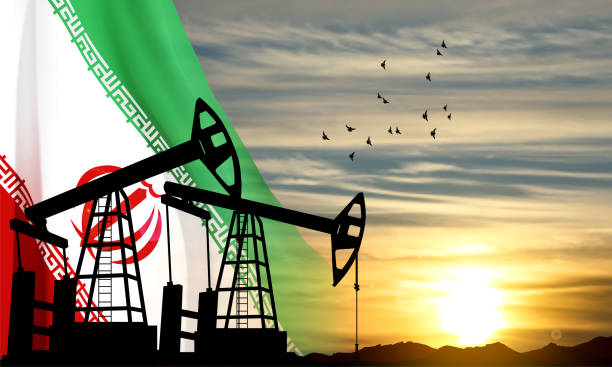
Oil prices weakened on Monday (May 18) after Iranian media reported the US proposed temporary waivers of oil sanctions as part of peace talks to end the weeks-long war. Brent crude briefly rose as much as 2.5% before turning lower, as the market assessed the possibility of additional Iranian supply if negotiations progressed, although Washington has not confirmed the report.
According to the semi-official Tasnim news agency, the US proposed a temporary waiver until a final agreement is reached. Iran has been under strict sanctions since US President Donald Trump withdrew from the nuclear deal during his first term. From Tehran, Iran said Monday it would continue dialogue with the US through Pakistan, while Trump had previously warned Iran that "time is running out."
At 9:01 a.m. New York time, Brent crude for July was at US$107.76 per barrel, while WTI crude for July was at US$99.44. The June WTI contract expires on Tuesday. Oil remains up nearly 50% since the US and Israeli attacks on Iran in late February, when flows through the Strait of Hormuz weakened and squeezed Gulf producers' supplies, making prices highly volatile whenever peace hopes changed.
Fundamentally, the market remains tight. Morgan Stanley called the market a "race against time" if the Hormuz blockage remains through June, while the IEA reiterated that global oil inventories are falling rapidly. So far, two factors helping to hold back sharper gains come from the world's two largest economies: record-breaking US exports and plummeting Chinese imports—with Chinese oil processing at its lowest level since 2022, according to Monday's data.
However, geopolitical risks remain high. Energy facilities in the Persian Gulf were targeted again over the weekend, including a drone attack that sparked a fire at a UAE nuclear facility, underscoring the fragility of the ceasefire. The market now awaits official US confirmation of the waiver option, progress in the dialogue through Pakistan, and whether flows in Hormuz actually improve—all three of which will determine whether oil weakness persists or volatility rises again. (arl)*
Source: Newsmaker.id