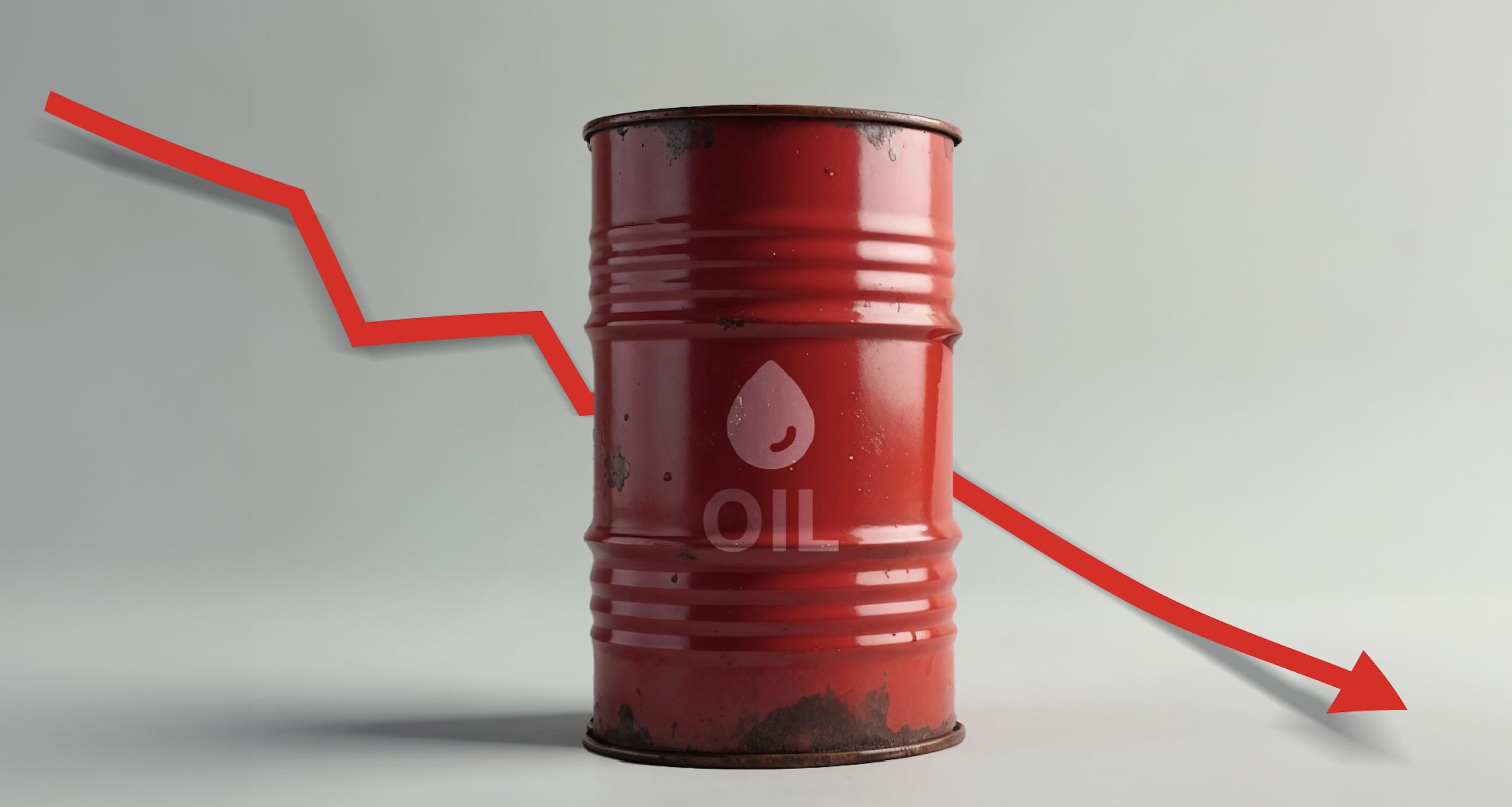
Oil Declines as Fragile Truce Holds After Hormuz Clashes
Oil prices fell on Tuesday as a four-week ceasefire in the Middle East continued to hold, easing fears of an immediate return to full-scale conflict following recent clashes in the Strait of Hormuz and strikes on the United Arab Emirates. Brent crude dropped about 4% to settle below $110 per barrel, nearly erasing the previous session’s gains. Open interest in the global benchmark fell to its lowest level since August, reflecting investors’ cautious stance amid elevated uncertainty and volatility.
The decline followed efforts by U.S. officials to downplay the risk of renewed war with Iran. Although tensions flared after incidents involving vessels in Hormuz and attacks on the UAE, including an oil terminal in Fujairah, U.S. military officials said the events did not amount to a breach of the ceasefire. The comments helped calm markets and reduced immediate fears of escalation.
Despite the temporary relief, conditions remain strained. More than 1,500 commercial vessels are reportedly stranded in the Persian Gulf as a result of the conflict and the dual blockade imposed by both Iran and the United States in the Strait of Hormuz. The disruption has caused one of the largest supply shocks in modern oil market history, with traders closely monitoring whether flows will resume or if fresh clashes could further unsettle markets.
President Donald Trump indicated that the conflict could continue for several more weeks. Iran has introduced new transit protocols for ships navigating Hormuz, while the U.S. continues its naval blockade of Iranian ports. American officials also clarified that “Project Freedom,” aimed at guiding neutral ships through the strait, is a temporary mission and does not signal a broader policy shift.
Surging energy prices have heightened concerns about inflation and its impact on global growth. U.S. long-term Treasury yields climbed to multi-month highs, reflecting expectations that the Federal Reserve may need to maintain a restrictive stance. Meanwhile, Saudi Arabia reduced the official selling price of its main crude grade for Asia next month, though prices remain elevated due to ongoing supply disruptions. Investors are now looking ahead to upcoming U.S. inventory data for further clues on supply conditions and price direction.
Source : Newsmaker.id