IEA Agrees to Release 400 Million Barrels to Mitigate Supply Disruptions
The International Energy Agency (IEA) on Wednesday agreed to release 400 million barrels of oil in response to supply disruptions triggered by the Iran war—the largest emergency measure in the organization's history. However, the IEA did not set a specific timetable for when the oil would reach the market, stating that the release would depend on the conditions and readiness of each of its 32 member countries.
The IEA's members are predominantly from developed countries in Europe, North America, and Northeast Asia. The organization, tasked with maintaining global energy security, was formed in 1974 in response to an oil embargo imposed by Arab producers over US support for Israel in the 1973 Arab–Israeli War.
IEA Executive Director Fatih Birol said the Middle East conflict has had a significant impact on global oil and gas markets—with broad implications for energy security, energy affordability, and the global economy. Birol emphasized that IEA member countries unanimously agreed to the largest emergency release of reserves in the agency's history.
Fatih Birol stated that IEA member states currently hold more than 1.2 billion barrels of public emergency reserves, plus approximately 600 million barrels of industrial stocks held under government obligations. He said this release is designed to cushion the immediate impact of supply disruptions—but to truly normalize global oil and gas flows, tanker traffic must be restored in the Strait of Hormuz.
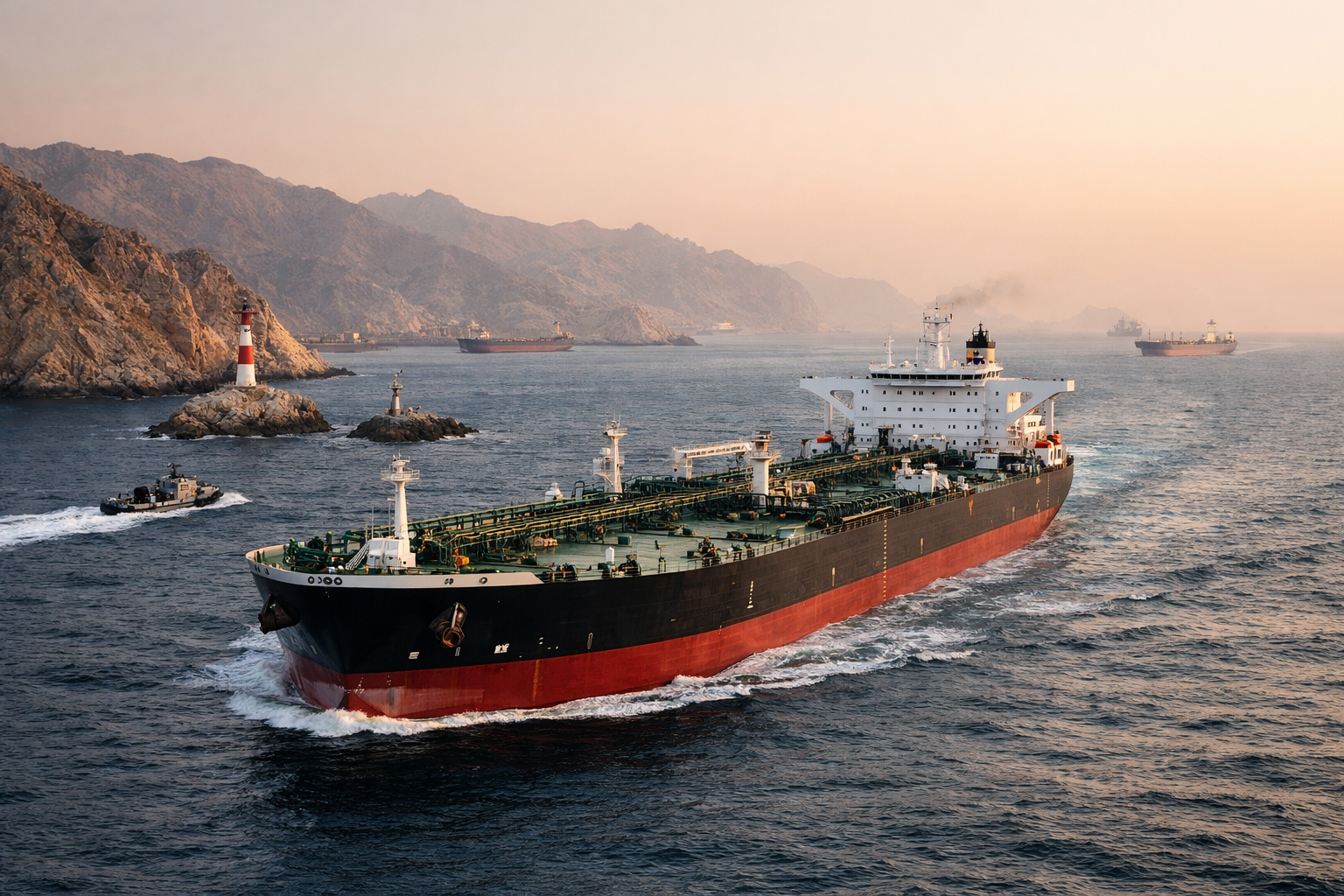
The Strait of Hormuz is a narrow sea corridor off the coast of Iran that connects the Persian Gulf and the Gulf of Oman. About 20% of the world's oil and gas normally passes through this passage. However, tanker activity in the strait has reportedly come to a near standstill due to shipping companies' concerns about the risk of an Iranian attack.
In Asia, Japanese Prime Minister Sanae Takaichi previously stated that Japan intends to release oil reserves from its national stockpile as early as next week, citing Japan's "very high" dependence on Middle Eastern supplies.
Consulting firms such as Rapidan Energy Group and Wood Mackenzie believe the closure of the Strait of Hormuz could trigger the largest oil supply disruption in history. Prior to the IEA's decision, energy analysts had warned that even the maximum release capacity of the emergency reserves would likely be insufficient to cover the large volumes of oil that typically pass through Hormuz daily.
Birol described a worsening situation: Middle Eastern producers have begun cutting production, refinery operations have been disrupted—with a major impact, particularly on diesel and jet fuel supplies—while attacks continue, damaging energy infrastructure and related facilities. Essentially, the release of emergency reserves could provide a short-term "buffer," but full stabilization depends on whether the Hormuz passage can be restored to security and normal operation.
Source: Newsmaker.id