Gold Steadies After Nine Straight Days of Losses Fueled by the Iran War
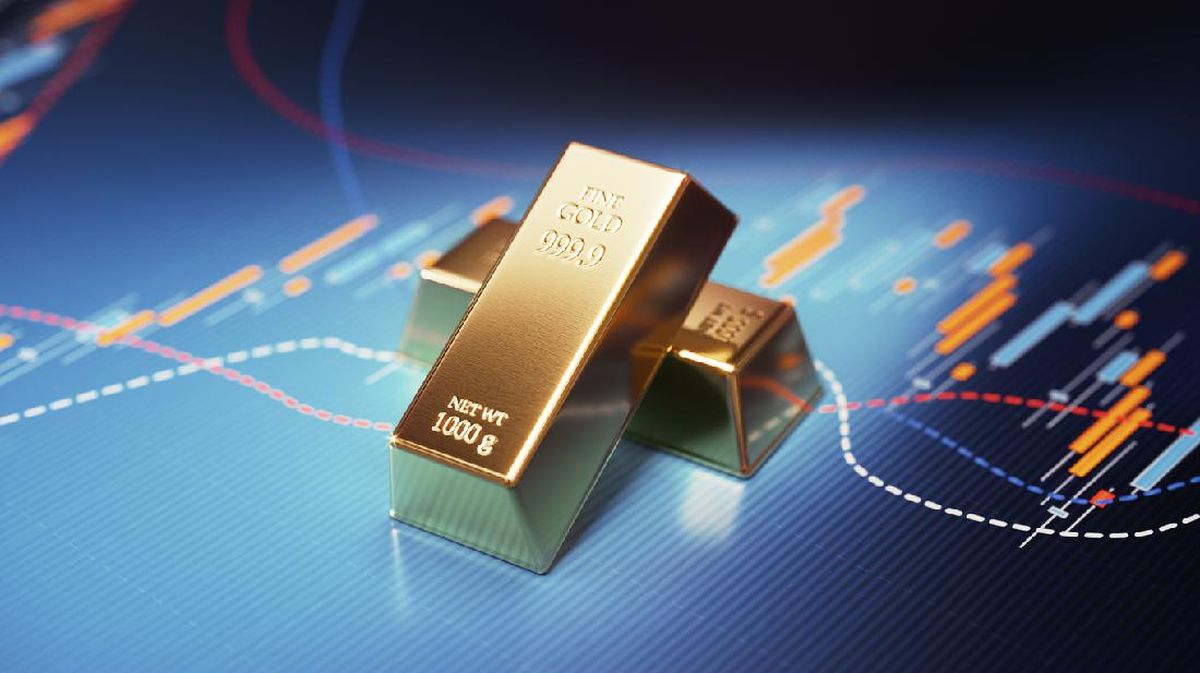
Gold steadied after a dramatic selloff that has pushed the metal down more than 15% since the Middle East conflict began. After swinging between gains and losses earlier in the session, bullion traded little changed as investors weighed geopolitical risk against the inflation-and-rates fallout from the war.
Elevated energy prices tied to the conflict have raised inflation concerns and driven markets to price in higher interest rates for longer—a headwind for non-yielding bullion. At the same time, declines across global stocks and bonds have forced some investors to liquidate gold positions to raise cash, amplifying the downturn and pushing the metal close to bear market territory.
Like many asset classes, gold has been whipsawed by a constant stream of war-related headlines. Fighting between the U.S.-Israeli alliance and Iran continued, even as President Donald Trump claimed talks were underway to end the conflict. Iran also began charging transit fees on some commercial vessels passing through the Strait of Hormuz, another signal of Tehran’s leverage over one of the world’s most critical energy corridors.
According to Frank Monkam, head of cross-asset macro strategy and trading at Buffalo Bayou Commodities, gold’s pullback has been driven by a more hawkish repricing of U.S. monetary policy expectations, a stronger dollar, and rising yields. More importantly, he said losses have been exacerbated by deleveraging among retail investors and selling from emerging-market players—including central banks—that are liquidating bullion to shore up foreign-exchange reserves amid elevated oil prices.
A similar pattern played out after Russia’s invasion of Ukraine in early 2022: gold initially surged as a safe haven, then slid for months as the energy shock rippled through markets and intensified inflation pressures. Suki Cooper, global head of commodities research at Standard Chartered, said gold’s correction has been steeper than usual, but noted it is not uncommon for bullion to face downside pressure for four to six weeks after extreme market stress, since gold often serves as a liquid source of funds when cash is needed.
Bloomberg also reported that Turkey’s central bank discussed potential gold-for-foreign currency swap transactions in the London market, possibly to defend the lira against volatility linked to the Iran conflict. While bullion has weakened in recent weeks, it had previously been in a longer-term rally supported by geopolitical and trade tensions as well as strong central-bank demand. But some of the biggest bullion buyers are energy importers, meaning higher oil and gas bills leave fewer dollars available to recycle into gold.
In the latest update, spot gold was up 0.1% at $4,413.01 an ounce as of 10:45 a.m. in New York. Silver fell 0.6%, platinum rose, and palladium slipped. The Bloomberg Dollar Spot Index gained 0.2%.
Source : Newsmaker.id