Bessent's Comments Confirm the Fed Is Not in a Rush to Lower Interest Rates
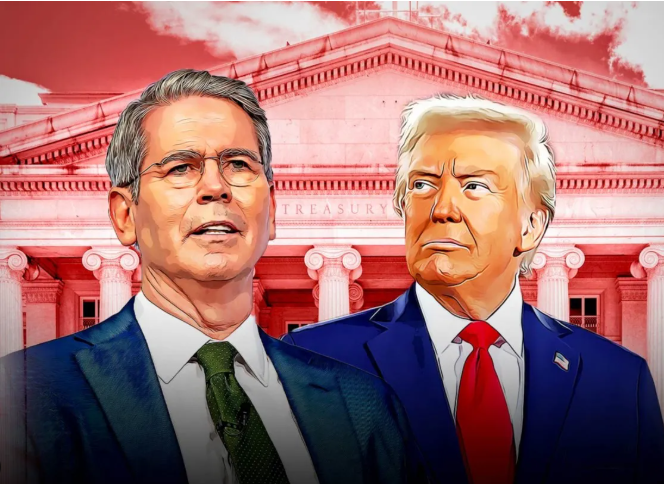
US Treasury Secretary Scott Bessent stated that the Federal Reserve should take a "wait-and-see" approach before lowering interest rates, amidst the ongoing uncertainty surrounding the Iran war. In an interview with Semafor, Bessent assessed that the Fed is currently "doing the right thing by sitting back and watching," while monitoring how the conflict and its impact on inflation evolve.
These comments are significant because they come at a time when markets are looking for new clues about the direction of US monetary policy. Bessent said he does see interest rates eventually lowering, but not now, as the US economy still looks strong in early 2026. He also expressed confidence that the recent price spike will not automatically become permanently embedded in inflation expectations.
These comments came after US government data showed inflation rose much faster in March than in February, with significant pressure coming from surging energy costs. Reuters reported that rising global crude oil prices during the conflict have pushed up consumer prices and pushed gasoline and diesel prices in the US above US$4 per gallon. This situation narrows the window for an imminent interest rate cut.
Indirectly, Bessent's comments reinforce the narrative that the US central bank will likely remain cautious. This also aligns with the market's recent growing skepticism about rapid interest rate cuts, especially as long as the risk of energy inflation remains undiminished. Reuters also reported that the US dollar tended to stabilize amidst the combination of the blockade on Iranian shipping and ongoing diplomatic efforts.
For the market, the main message is quite clear: as long as geopolitical uncertainty remains high and inflation remains subdued, the push for rate cuts will remain restrained. This means that assets such as the dollar, bonds, gold, and stocks are likely to remain sensitive to comments from US officials and the latest developments in the Iran conflict. This signals that the market should not be too aggressive in placing expectations on monetary easing in the near future.
Cause:
Bessent believes the Fed needs to wait and see how the Iran war unfolds before cutting interest rates.
The US economy is still considered quite strong in early 2026, so there is no great urgency to rush interest rate cuts.
March inflation surged faster, primarily due to rising energy costs during the conflict.
The risk of energy inflation has made the market worried that expectations of rate cuts will be pushed back again.
Things to Watch:
Whether other Fed officials echo Bessent's wait-and-see tone.
The reaction of the DXY and Treasury yields, as these comments tend to support keeping interest rates high for longer. This is the market's inference of a cautious stance towards rate cuts.
Developments in oil prices, as energy remains the most obvious source of inflationary pressure.
Updates on the Iran conflict and diplomacy, as this will significantly impact inflation expectations and US monetary policy.(Zaf)
Source: Newsmaker.id