The Fed Increases Liquidity, Is the US Really Printing Money Again
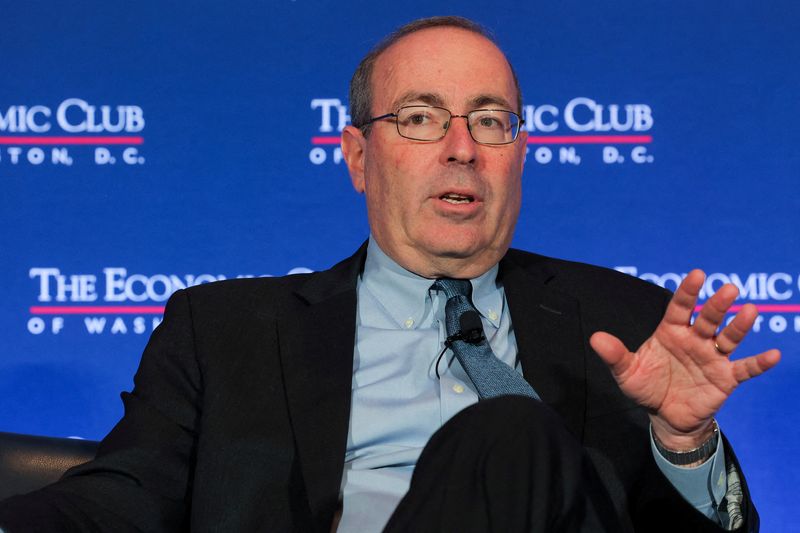
The issue of the United States "printing money" again surfaced after the Federal Reserve was revealed to be purchasing around US$40 billion in Treasury bills per month. However, this measure cannot be equated with the aggressive quantitative easing (QE) implemented during the crisis. Federal Reserve officials explained that these purchases are part of reserve management purchases, a technical measure to maintain adequate liquidity and ensure that money market interest rates remain in line with monetary policy targets. New York Fed official Roberto Perli even stated that the pace of these purchases will likely begin to moderate after April 15, 2026.
This measure was taken after the Fed implemented a long period of quantitative tightening (QT), which significantly reduced its balance sheet from around US$9 trillion to below US$7 trillion. This reduction reduced liquidity reserves in the banking system, requiring the central bank to ensure adequate reserve levels to prevent pressure on the money market. In other words, the primary reason for this policy was not to provide new economic stimulus, but rather to maintain the operational stability of the US financial system.
In terms of impact, Treasury bill purchases can help maintain loose money market liquidity and mitigate volatility in short-term funding rates, particularly during seasonal cash needs, such as tax periods. This policy can also boost market confidence that the Fed remains capable of maintaining financial market stability without having to return to a large-scale easing scheme. However, the market remains sensitive to any asset purchases by the central bank, as such moves are easily interpreted as signals of monetary easing, which could influence perceptions of the dollar's direction and inflation.
At the same time, the growing debate surrounding the Fed is increasingly focused on how to further gradually shrink its balance sheet. Reuters reports that several officials and economists believe the Fed's balance sheet, still in the range of US$6.6 trillion–US$6.7 trillion, remains too large, leading to discussions about additional shrinkage of around US$1 trillion to US$2 trillion if market conditions warrant. This suggests that the current Treasury bill purchases are more of a short-term technical adjustment, rather than a shift towards permanent expansion.
Therefore, it is important to distinguish between technical liquidity enhancement and money printing in the classic sense. As long as Treasury bill purchases are conducted solely to maintain bank reserves and maintain the smooth functioning of the money market, this policy remains within the central bank's normal operational corridor. The narrative that the US is "printing money again" will only become more relevant if asset purchases are aggressively expanded to stimulate economic growth or suppress long-term yields more broadly. This inference is consistent with Fed officials' explanations that the current program has a different objective than QE.
Going forward, market participants will be closely monitoring whether the purchase moderation truly begins after mid-April 2026, how the money market responds to the additional liquidity, and whether the Fed's balance sheet reduction agenda remains on track. As long as this measure remains limited and technical in nature, its impact is likely to be greater on money market stability than triggering a major shift in the direction of US monetary policy. (CP)
Source: Newsmaker.id