Waller: Iran War's Impact on Inflation Expected to Be Temporary
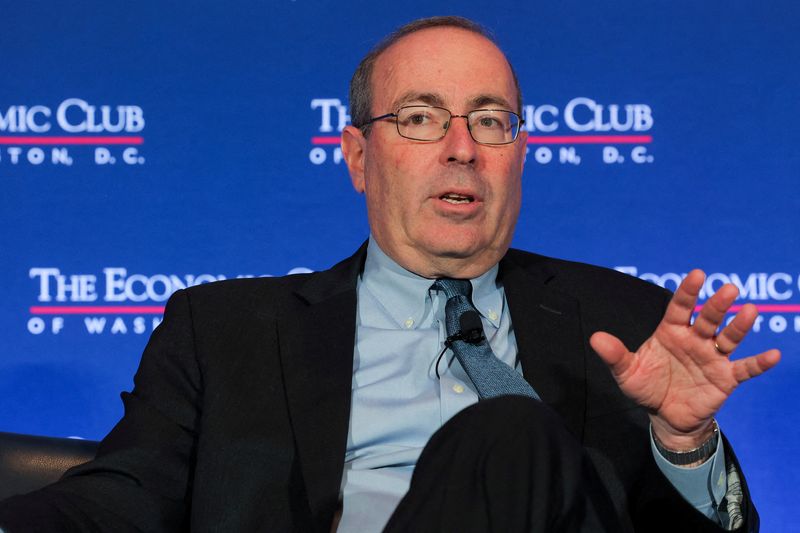
Federal Reserve Governor Christopher Waller said he does not expect the Iran war to trigger sustained inflationary pressures in the US, although consumers could potentially face a price shock from rising gasoline. In a Bloomberg TV interview on Friday, Waller assessed that the energy spike caused by the conflict is likely temporary and will not be a major determinant of monetary policy direction.
Waller emphasized that the Fed places greater emphasis on core inflation readings as a better indicator of future inflation, rather than fluctuations in energy and food prices. Therefore, episodic energy increases are not considered to automatically change the medium-term inflation outlook.
On the policy front, Waller also highlighted his preference at the January meeting for a quarter-point interest rate cut, citing ongoing signs of labor market weakness. However, the government's January employment report subsequently came in much stronger than expected, bolstering some officials' argument for more patience.
The February jobs report is scheduled for release Friday at 8:30 a.m. Washington time and is a key market focus for assessing the strength of the labor force following a string of solid activity data. The current policy consensus points to the Fed keeping interest rates unchanged at its March 17-18 meeting, as inflation remains above its 2% target and the labor market shows signs of stabilization.
In the market, the repricing of interest rate expectations is evident. Interest rate swaps show market participants now expect around 35 basis points of cuts by the end of the year, down from around 60 basis points at the end of last week, indicating a narrowing easing window amidst the combination of still-strong data and geopolitical uncertainty. (alg)
Source: Newsmaker.id