Trump Pressures Canada; 50% Tariff Looms Within Hours
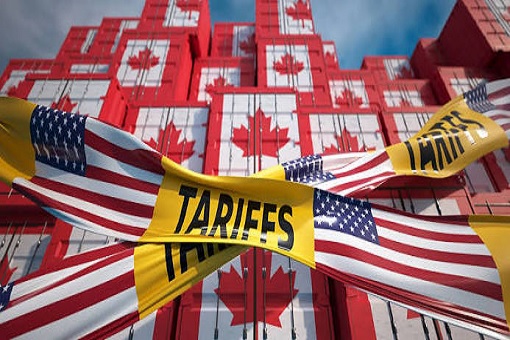
The US and Canada are racing against the clock to reach a trade agreement before the Tuesday midnight deadline. Absent an agreement or a postponement by the White House, the US is set to impose a 50% tariff on select Canadian imports starting early Wednesday, Washington time.
Negotiations were intense throughout the weekend and into Monday. Canadian Prime Minister Mark Carney spoke directly with President Donald Trump, yet key issues remain unresolved. A major sticking point is vehicle tariffs; the US refuses to lower rates below 15%, while Canada continues to seek lower figures.
If implemented, the new tariffs are expected to affect approximately US$20 billion worth of Canadian imports, including hockey equipment, dairy products, and alcoholic beverages. While this represents only a fraction of Canada's total exports to the US, the move could strain trade relations between the two nations, which recorded nearly US$900 billion in goods and services trade last year.
Washington is also demanding that Canada reduce various restrictions on US products, including bans on wine and alcohol sales in certain provinces, retaliatory vehicle tariffs, dairy quotas, and procurement rules. Conversely, Canada is seeking US tariff relief on aluminum, steel, vehicles, and lumber.
Political pressure within Canada is mounting. Regional governments—particularly Ontario, the hub of Canada's automotive industry—are reluctant to make concessions without meaningful tariff relief from Washington. Should the 50% tariff take effect, calls for Canada to retaliate against US policies are expected to intensify.
Newsmaker Analysis: A failure to reach an agreement could escalate North American trade tensions and weigh on the Canadian dollar as well as the stocks of companies reliant on US-Canada supply chains. Higher tariffs could also drive up costs for vehicles, metals, and consumer goods in the US, thereby increasing inflationary risks. Conversely, a deal before the deadline could alleviate market uncertainty and bolster Canadian assets and global trade sentiment. (arl)
Source: Newsmaker.id