Hormuz to Open, But US Ships Banned?
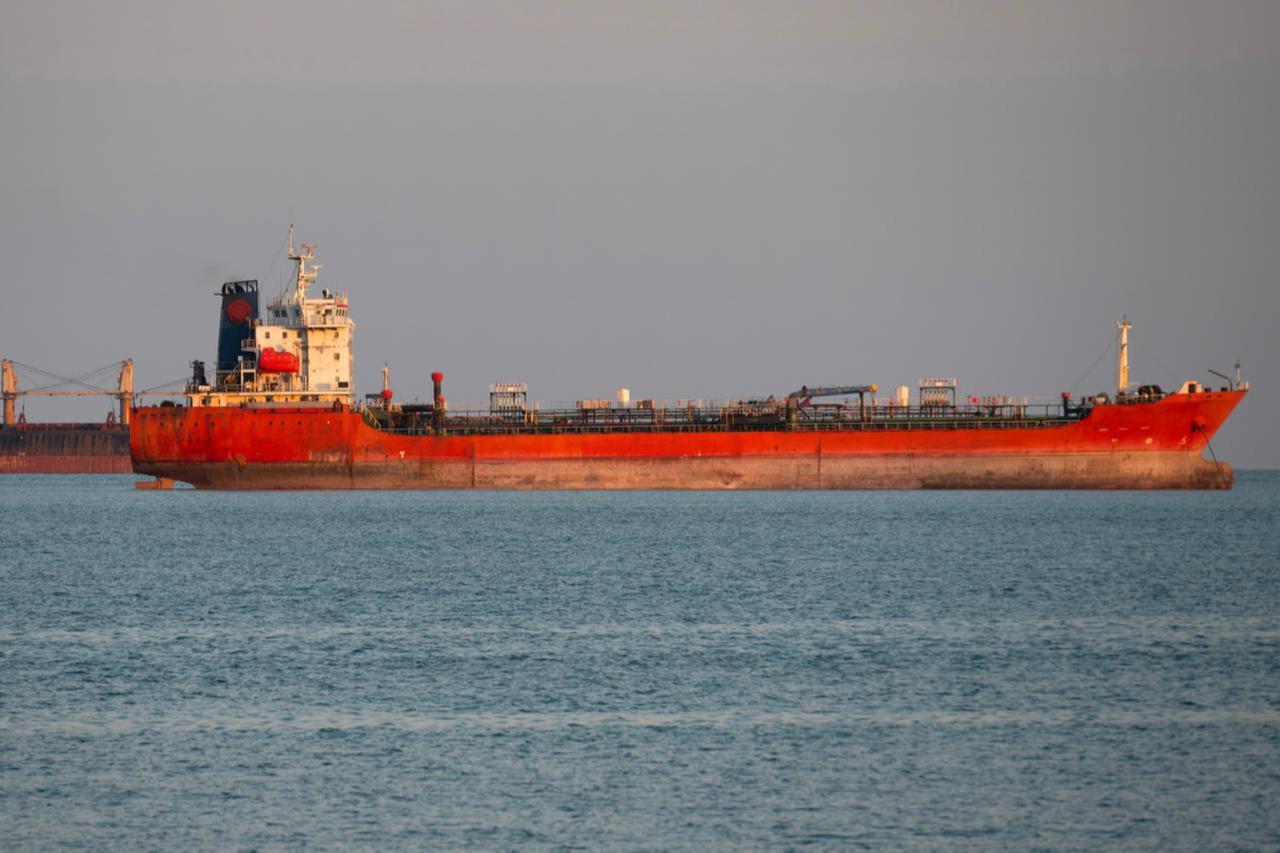
Iran plans to ban ships linked to the United States and Israel from passing through the Strait of Hormuz. Nations deemed to have harmed Iran would also be required to pay compensation before obtaining permission to sail.
This rule is part of a draft agreement between Iran and Oman to manage shipping lanes in Hormuz. Iran would oversee inbound vessels, while outbound traffic would be managed jointly with Oman via a new shipping corridor.
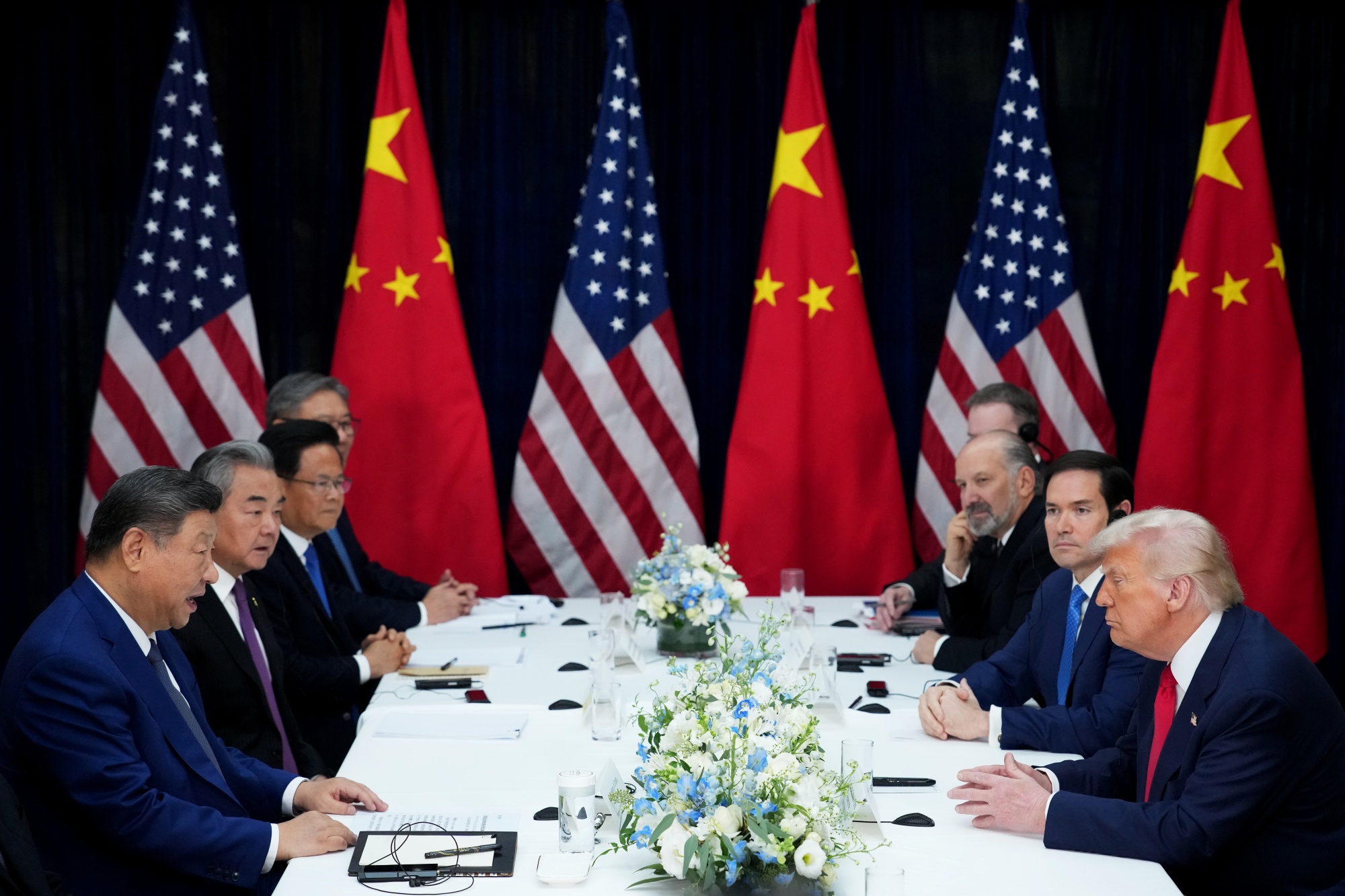
However, this demand is unlikely to be accepted by Washington. The United States insists that all vessels should be able to pass freely—without permission, fees, tolls, or restrictions imposed by Iran.
President Donald Trump maintains that negotiations are proceeding well. Nevertheless, no official agreement has been reached, as Iran demands the lifting of the naval blockade and oil sanctions before the Strait of Hormuz is fully reopened.
Tensions have escalated again following reports in Iranian media of an attack on an "enemy target" at the entrance to Hormuz. Brent crude prices rose above US$83 per barrel, while WTI hovered around US$78, driven by market concerns over continued disruptions to energy shipments.
Newsmaker Analysis: The Iran-Oman draft agreement is insufficient to guarantee a return to normalcy in Hormuz. Should ship bans and regional conflicts persist, oil prices could remain elevated. This scenario could drive up inflation, bolster the US dollar, and put downward pressure on gold due to expectations of higher interest rates—though the risk of war continues to support demand for safe-haven assets. (gn)
Source: Newsmaker.id