US-Iran Negotiations Delayed, Lebanon Tensions Shadow Peace Deal
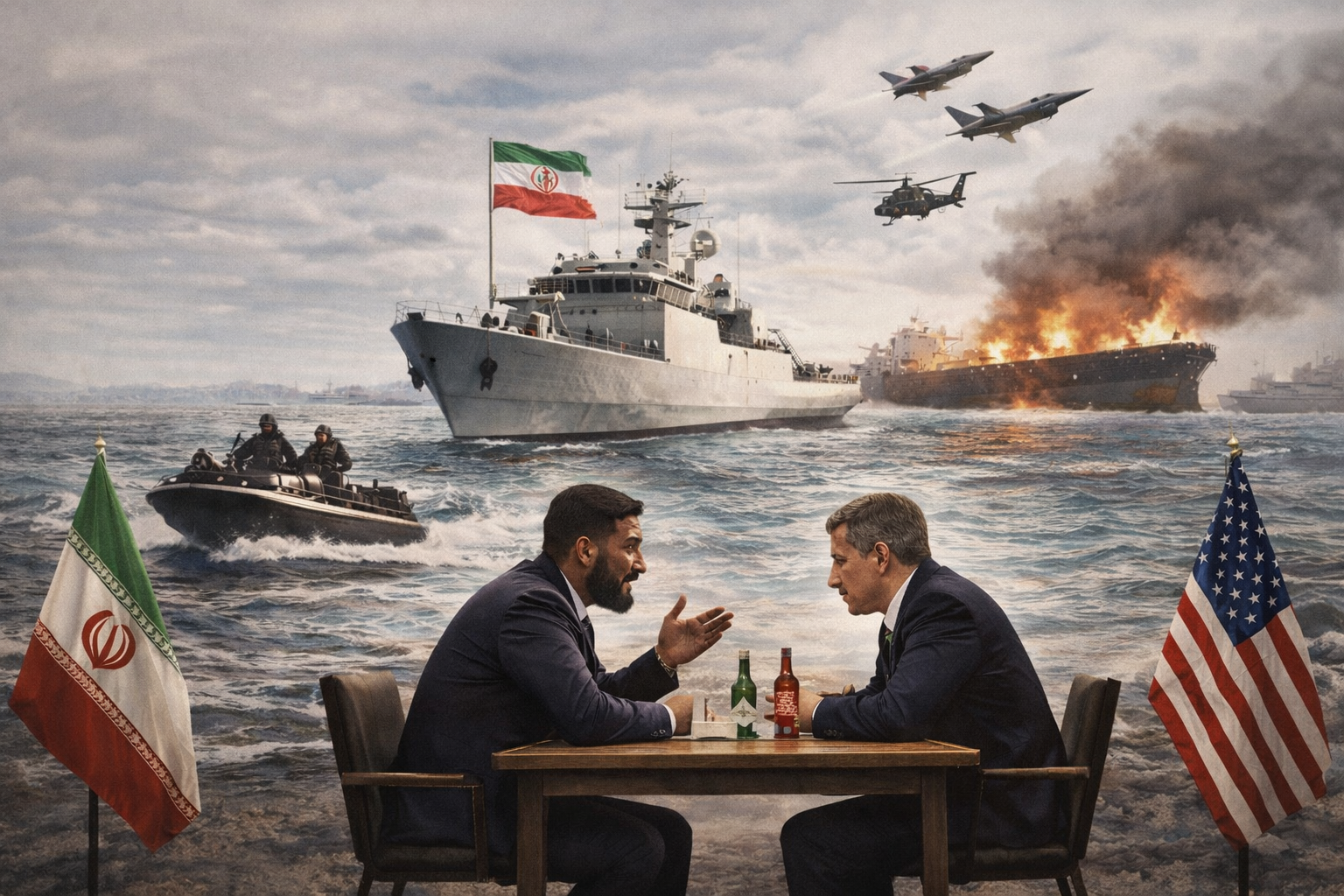
The United States and Iran have postponed the start of negotiations on a permanent peace deal and curbs on Tehran's nuclear program. Talks originally scheduled for Friday in Switzerland have not yet begun. The underlying reason for the delay remains unclear.
Regional tensions have escalated again after Israel and the Iranian-backed Hezbollah group clashed in southern Lebanon. Iran previously asserted that a ceasefire in Lebanon was a key component of the interim agreement with the US concluded this week. This situation has further strained the diplomatic process between Washington and Tehran.
The latest fighting in Lebanon has been described as deadlier than usual. The Israeli military reported the deaths of four of its soldiers, including a battalion commander. Meanwhile, the state-run Lebanese National News Agency reported that Israeli strikes killed 18 people. This situation further increases the risk that regional conflict could again disrupt the nascent peace efforts.
This development also raises questions about the future of the Strait of Hormuz. The vital shipping lane has begun to return to normal operation after US President Donald Trump and Iranian President Masoud Pezeshkian signed an agreement on Wednesday. Under the deal, the US lifted its naval blockade on Iranian ports, while Iran announced it would reopen the Strait of Hormuz.
Market-wise, the delay in US-Iran negotiations has the potential to make market participants cautious again, particularly in the energy sector. If tensions in Lebanon escalate or peace talks are further delayed, oil prices could benefit from a geopolitical risk premium. However, if both parties resume negotiations soon and shipping flows through Hormuz remain stable, pressure on energy prices could ease. (gn)
Source: Newsmaker.id