Trump Delays Decision on Iran Deal
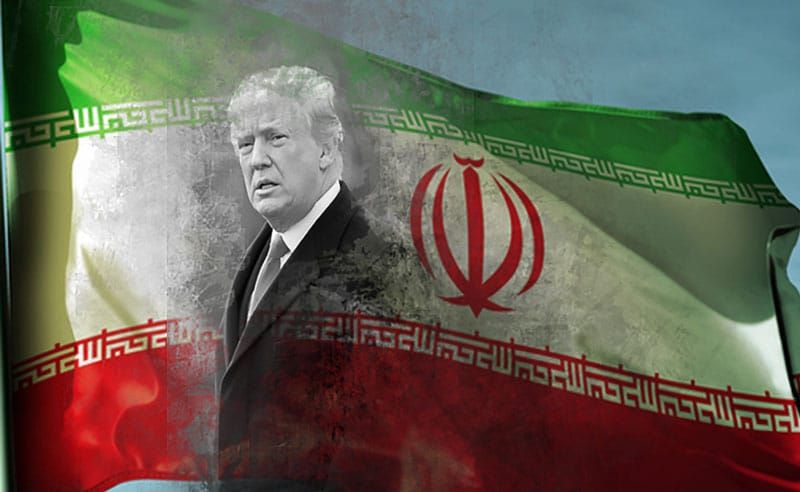
US President Donald Trump ended a meeting in the White House Situation Room without announcing a final decision on whether to approve a deal to halt Iran's three-month-long war, an administration official told CNBC on Friday afternoon. Hours earlier, Trump had posted on Truth Social that he would make a "final determination" at the meeting, while outlining key conditions he said Iran must meet.
In the post, Trump demanded that Iran "must agree" to forgo nuclear weapons and that the Strait of Hormuz be "immediately open" to unrestricted shipping, including levies. He also mentioned lifting the US naval blockade of the Gulf of Oman, though it was unclear whether that would be automatic or contingent on meeting other conditions. Trump also stated that enriched uranium buried at the site of last year's attack on Iran's nuclear facilities would be "excavated" in coordination with Iran and the IAEA and destroyed, and asserted that "no money will be exchanged" for now. Oil prices reportedly weakened following the post.
However, Iran's state-run media outlet Fars denied Trump's claims, saying the post raised issues that contradicted the text of the deal. Fars stated that there was no “strait-free passage” clause in the draft, and there was no reference to the dismantling or destruction of Iranian nuclear material. Fars also emphasized that the most important part of the deal was the immediate repayment of $12 billion in frozen Iranian funds, and that Iran rejected further negotiations without such repayment. The White House did not immediately respond to CNBC's inquiries regarding the denial.
The previous day, a White House official confirmed an Axios report that U.S. and Iranian negotiators had reached a 60-day memorandum of understanding (MoU) to extend the ceasefire and open the door to nuclear talks. The report stated that restrictions in Hormuz would be eased, Iran would be required to clear mines in shipping lanes within 30 days, and the U.S. would adjust its blockade. The issue of enriched uranium and enrichment targets were prioritized during the 60-day window, as well as opening discussions on sanctions relief and the release of frozen funds.
On the ground, tensions around Hormuz have not subsided. The Pentagon said Iran launched ballistic missiles toward Kuwait and deployed attack drones around the strait, while Iranian media reported missile launches at unspecified targets. The US also announced a new package of sanctions against Iran, including measures targeting Tehran's efforts to regulate transit through the strait, as well as increasing pressure on Oman—a regional mediator—over the issue of potential shipping levies.
Tehran's rhetoric also intensified. A social media account linked to Iranian Parliament Speaker Mohammad Bagher Ghalibaf wrote that concessions "are not made through dialogue, but through missiles" and asserted that Iran would not act until others do. Iranian Foreign Minister Abbas Araghchi said he had spoken with his Omani counterpart and expressed solidarity with Muscat "in the face of threats," demonstrating that diplomacy remains a viable path amid inconsistent political and military pressure.
Source: Newsmaker.id