Iran and Pakistan Hold Peace Talks, Energy Markets Remain Tense
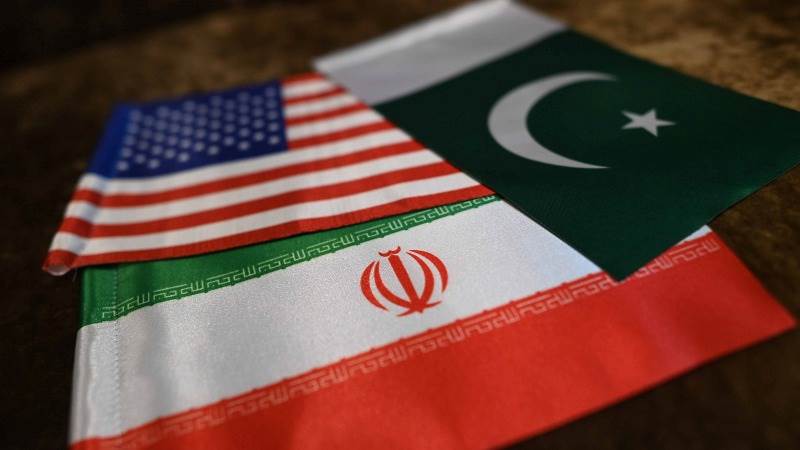
Iran's foreign minister met with Pakistan's interior minister on Friday to discuss ways to bridge differences between the US and Tehran over a proposed settlement to the war that has lasted more than two months, according to Iranian media reports. The meeting came two days after Pakistan delivered the latest US message to Iran, with Islamabad serving as a key mediator since the start of the conflict, which has claimed thousands of lives and strained the global economy.
Pakistani Interior Minister Syed Mohsin Naqvi is working to formulate a framework to end the war and resolve the two sides' differences. US Secretary of State Marco Rubio said there were "good signs" in the discussions, though he cautioned against over-optimism and said he would wait for developments in the coming days.
Senior Iranian sources said the gap in negotiations had narrowed, but a new issue emerged when a Reuters report said Iran's Supreme Leader Mojtaba Khamenei had ordered that enriched uranium not leave the country, reinforcing Tehran's tough stance on President Trump's key demands. The White House dismissed the report as misinformation.
The conflict has entered a longer-term ceasefire phase than the initial phase of attacks since February. The joint US-Israeli attack on Iran triggered a wave of conflict across the Middle East, including major energy producers in the Gulf.
The Strait of Hormuz remains virtually closed to shipping, while Trump's rejection of the Iran-Oman plan for a maritime highway system has kept oil prices under pressure. Brent last traded at $105.75 per barrel, well above its pre-war level of around $70. The safe-haven US dollar also strengthened, nearing a six-week high.
Variables to monitor: progress in US-Iran negotiations, the status of the Strait of Hormuz, global oil prices, and US dollar movements. (Arl)
Source: Newsmaker.id