Amid War and Sanctions, Iran’s Economy Faces Severe Pressure
Tehran has placed economic disruption at the center of its war strategy, targeting regional energy infrastructure while enforcing a blockade on the Strait of Hormuz—a critical passage that, prior to the conflict, carried around 20 percent of the world’s oil and gas supply. The move has triggered one of the most severe energy shocks in decades, sending ripples across global markets.
Even before the escalation, Iran’s economy was already under significant strain due to international sanctions. Inflation exceeded 50 percent in 2025, while the national currency, the rial, lost around 60 percent of its value in the months following the brief 12-day conflict with the United States last July.
Price pressures intensified sharply in the food sector. Food inflation surged to 64 percent by October last year and accelerated further to 105 percent by February. By March 2026, prices of bread and cereals had risen by 140 percent, while oils and fats recorded a staggering increase of 219 percent year-on-year.
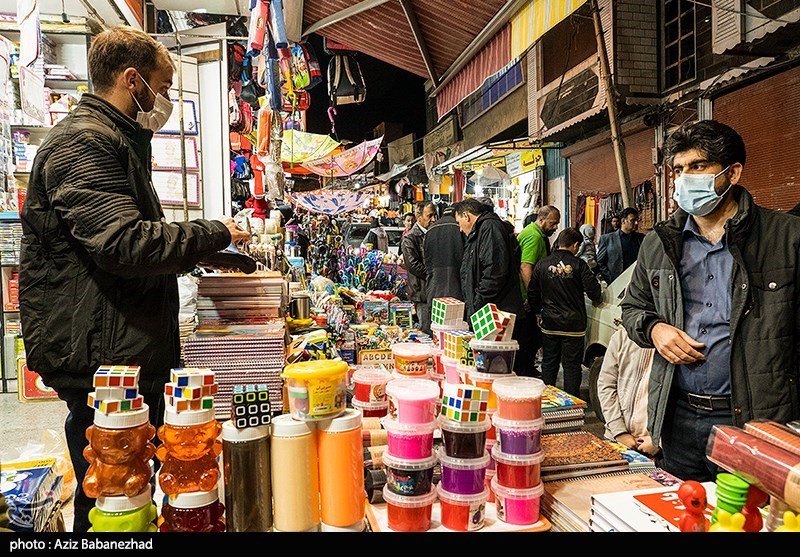
In an effort to manage inflation and meet rising demand for cash, Iranian banks began issuing a 10-million-rial banknote last month—the largest denomination ever introduced in the country. The move highlights mounting liquidity pressures within the domestic economy.
In its latest World Economic Outlook, the International Monetary Fund projected that Iran’s economy will contract by 6.1 percent in 2026, with inflation expected to reach 68.9 percent. Meanwhile, the rial has continued to depreciate, falling to approximately 1.32 million per U.S. dollar.
Assessing Iran’s economic performance during the war remains challenging due to limited data transparency. The country has not published gross domestic product figures since 2024, and widespread internet blackouts have made domestic statistics largely inaccessible to external observers.
The effective closure of the Strait of Hormuz, combined with the subsequent U.S. blockade, has severely disrupted Iran’s international trade, including its oil exports. More than 90 percent of Iran’s annual trade previously passed through this route. Ongoing pressure from the blockade could potentially eliminate up to 70 percent of the country’s export revenues.
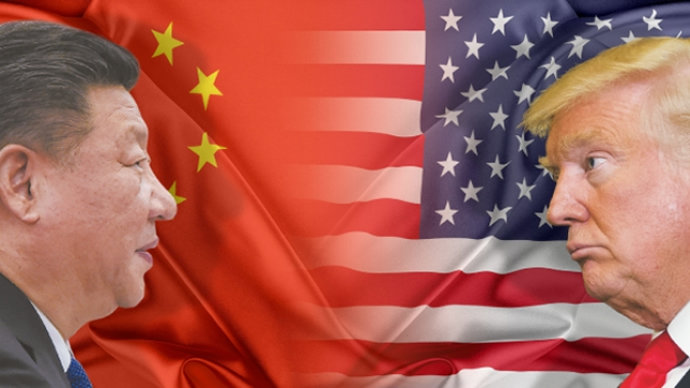
The conflict has also led to a sharp decline in domestic demand and imports. Although official data remain scarce, trade indicators from partner countries in March show that exports to Iran have dropped significantly. At the same time, the administration of Donald Trump has intensified pressure by threatening additional sanctions on Chinese banks facilitating transactions linked to Iran, further constraining the country’s economic activity.
Source : Newsmaker.id