Iran Refuses to Open Hormuz, Escalation Risk Rises Ahead of Trump Deadline
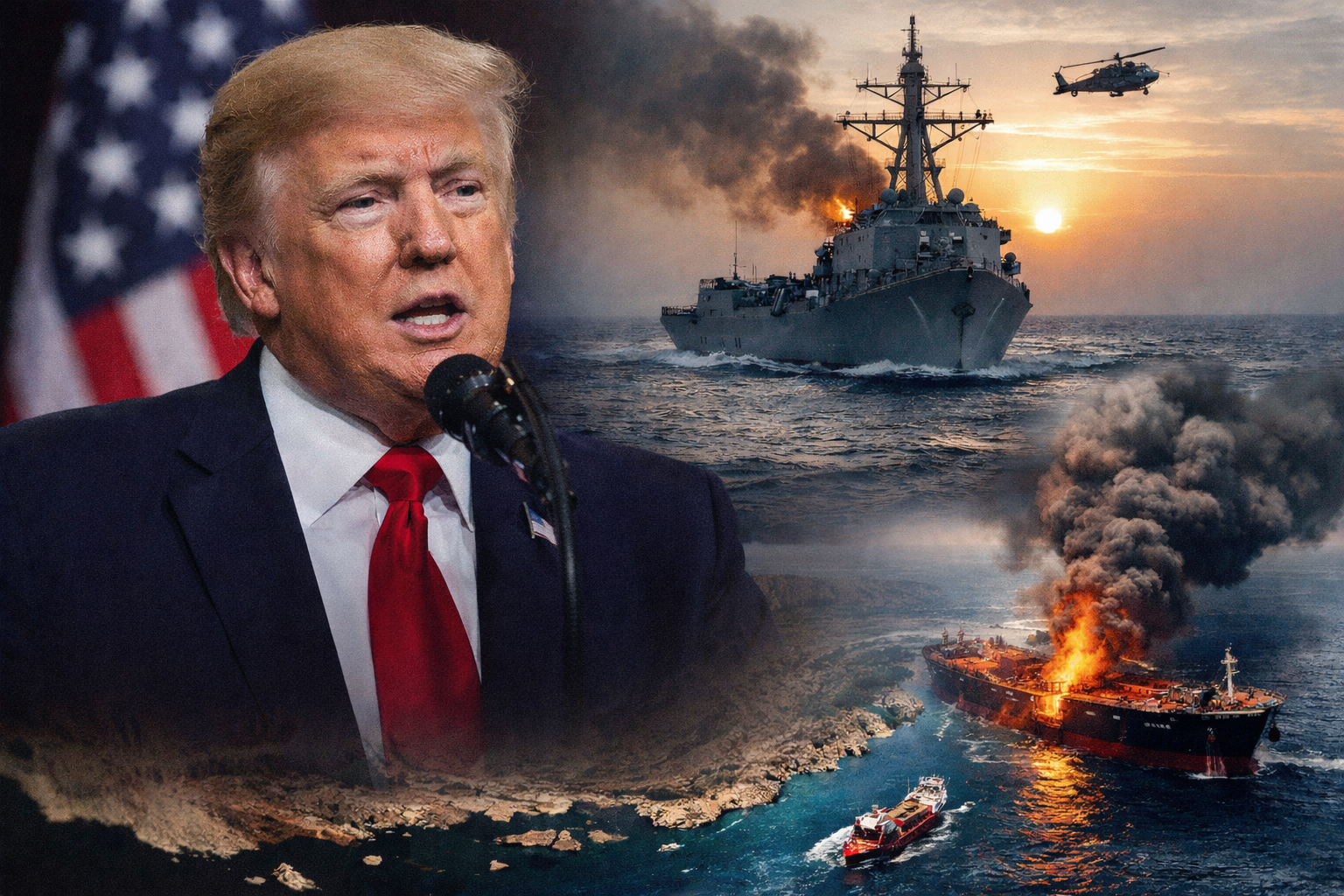
Iran has shown no sign of complying with US President Donald Trump's demands to reopen the Strait of Hormuz by Tuesday night's deadline, raising the risk of the biggest escalation since the war began. A senior Iranian source told Reuters that Tehran has rejected a brokered proposal for a temporary ceasefire, insisting that "lasting peace" talks can only begin after the US and Israel halt attacks, guarantee they will not be repeated, and offer compensation for the damage.
According to the source, any settlement would also require Iran to maintain control of the strait, including imposing fees on shipping. With Trump's deadline of 8:00 PM Washington time (00:00 GMT; 03:30 in Tehran), global markets are said to be frozen, waiting to see whether Trump will follow through on his threats to attack civilian infrastructure—bridges and power plants—or continue to stall as in previous ultimatums.
The Hormuz tug-of-war has become a key channel for risk transmission to the market. The route typically carries about a fifth of global oil and LNG flows, and its effective closure since the US-Israeli strikes on February 28 has raised energy prices, adding to inflationary pressures and the risk of a growth slowdown. Iran has also threatened retaliation against the infrastructure of US allies in the Gulf, raising the potential for broader supply disruptions and increasing energy risk premiums.
On the ground, attacks continue. Iran reported that a synagogue in Tehran was destroyed in an attack it blamed on Israel; Israel had no immediate comment. Israel also warned Iranians to stay away from the railway in a Persian-language post. Meanwhile, the two sides are still exchanging proposals through Pakistan, the main intermediary, but there is no sign of compromise: Iranian statements demand a permanent end to the war, the lifting of sanctions, a promise of reconstruction, and a new mechanism for regulating Hormuz traffic. Iran's ambassador to Pakistan called Islamabad's mediation efforts "approaching a critical and sensitive stage," without elaborating.
For the market, Iran's position, tying the opening of Hormuz to political conditions and compensation, diminishes the chances of a quick breakthrough ahead of the deadline, while maintaining high volatility in oil and risk assets. The variables market participants will be monitoring next include Trump's decision regarding Tuesday's deadline, Iran's official response to the ceasefire option, the intensity of attacks on energy infrastructure, and any indications of real changes in shipping flows in the Strait of Hormuz. (gn)
Source: Newsmaker.id