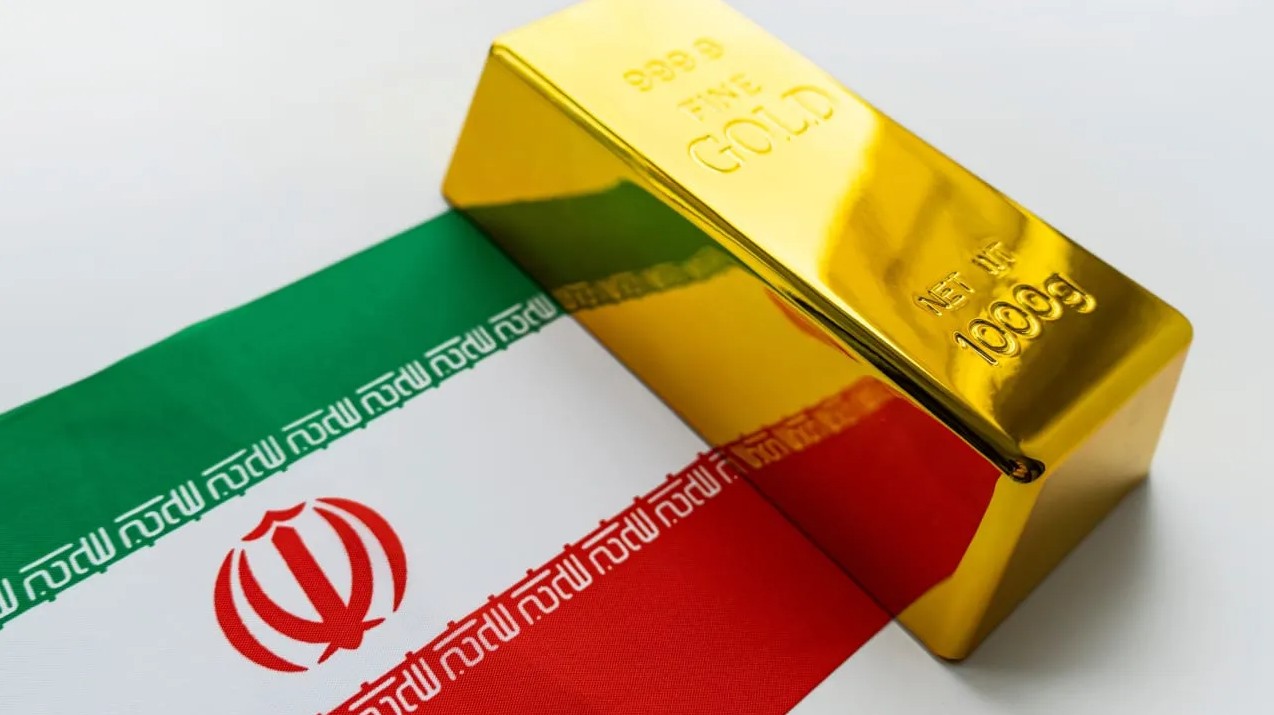
Gold Rebounds, But Iran Deal Remains in the Air
Gold prices rose on Thursday (June 4th) after Israel and Lebanon agreed to a conditional ceasefire, seen as a step toward easing the Middle East conflict that has roiled energy markets and fueled inflation risks. Gold briefly rose as much as 1.8% to US$4,515/oz before paring some of its gains, as the market weighed the realization of a deal that still hinges on a "complete ceasefire" by Hezbollah.
This agreement is seen as Washington's latest effort to keep negotiations with Iran alive. Although the US and Iran reportedly have a rough framework for extending the ceasefire and reopening the Strait of Hormuz, a final agreement remains elusive, and Iran has stated there has been no recent progress in the talks. On the ground, fighting in Lebanon also continues, confirming that the market remains heavily headline-driven.
Support for gold came from cross-asset movements: oil, bond yields, and the dollar all fell, easing pressure that typically holds back gold. However, TD Securities analysts warn that the market remains fragile and that systematic traders/trend-followers are likely to remain short over the next week, potentially hampering the rally.
More broadly, prolonged disruptions to energy flows via Hormuz remain a key risk. As long as this route remains unrecoverable, energy prices could remain high, fueling concerns about global inflation, which could push central banks to hold interest rates high for longer—a structural factor that limits gold's upside.
In New York trading at 4:30 p.m., spot gold rose 0.9% to US$4,477.69/oz. Silver rose 1.1% to US$73.88, while platinum and palladium also strengthened. The Bloomberg Dollar Index remained relatively stable, rising slightly by 0.07%. (Arl)
Source: Newsmaker.id