Hormuz Tensions Escalate, US-Iran Talks Remain Confused
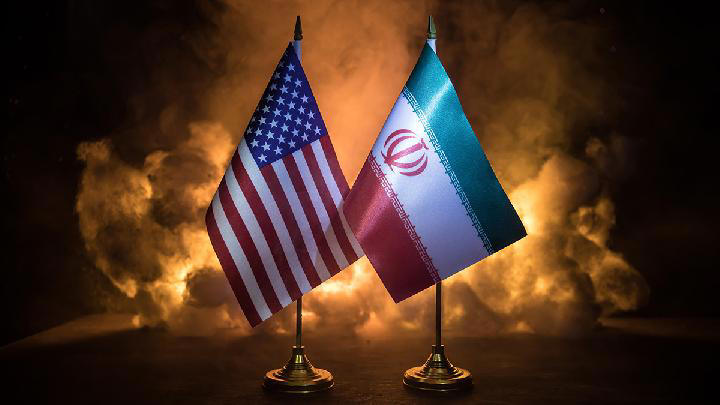
Iran and Israel show no signs of abating on the 25th day of the war, roiling global markets even as the Trump administration signals momentum toward formal talks to end the conflict. This uncertainty has investors reconsidering the risk of escalation, which could disrupt energy supplies and trigger a new wave of inflation.
On the ground, Iran turned back a container ship from the Strait of Hormuz, while Israel continued its attacks on Iran. Israeli Defense Minister Israel Katz asserted that the military campaign would continue “at full intensity,” indicating that tensions are not nearing a lull.
It remains unclear whether and how the US will actually engage in talks with Iran, as Trump alluded to on Monday. While Trump claimed to have held off on US attacks on energy sites and given Iran five days to reach an agreement, other reports indicate that US Marines are heading to the region—adding to speculation that a ground operation remains on the table.
Mediation efforts are also emerging. Pakistan is said to be pushing for a mediator role, and Trump reportedly spoke with Pakistani Army Chief Asim Munir about the conflict. Prime Minister Shehbaz Sharif wrote that Pakistan would be “honored” to mediate—a post Trump later shared, without confirming whether the offer was accepted.
World leaders also jockeyed for influence. Indian Prime Minister Narendra Modi expressed his push for peace in a phone call with Trump, including discussing the Strait of Hormuz—a vital route for India’s energy imports. Meanwhile, a New York Times report said Saudi Crown Prince Mohammed bin Salman encouraged Trump to continue the war to “reshape” the region, though the White House declined to comment on the president’s private discussions.
Energy prices are back in the spotlight. Brent is trading above $100 a barrel again after plunging 11% on Monday, while shipping through Hormuz remains blocked. Saudi Arabia and the United Arab Emirates are said to be willing to join the US-Israel campaign if Iran attacks their vital infrastructure—a high threshold, but enough to heighten market fears.
The risk of energy distribution disruptions also appears to be rising. Iran reportedly halted natural gas exports to Turkey after Israel’s attack on the giant South Pars gas field last week—underscoring how quickly the conflict is spreading from security to supply lines.
Trump's statement postponing attacks on Iran's energy infrastructure—citing "productive talks"—has only fueled confusion, as many Iranian officials deny any behind-the-scenes diplomacy. In Israel, Prime Minister Benjamin Netanyahu reportedly instructed his confidant, Ron Dermer, to monitor any potential US-Iran negotiations to safeguard Israel's interests.
The stance of US allies in the Gulf has also hardened following repeated attacks on their territory. Saudi Arabia has reportedly told the US it is prepared to attack Iran if its electricity and water facilities are targeted. Foreign Minister Faisal bin Farhan Al Saud previously asserted that the kingdom's "patience" is not unlimited.
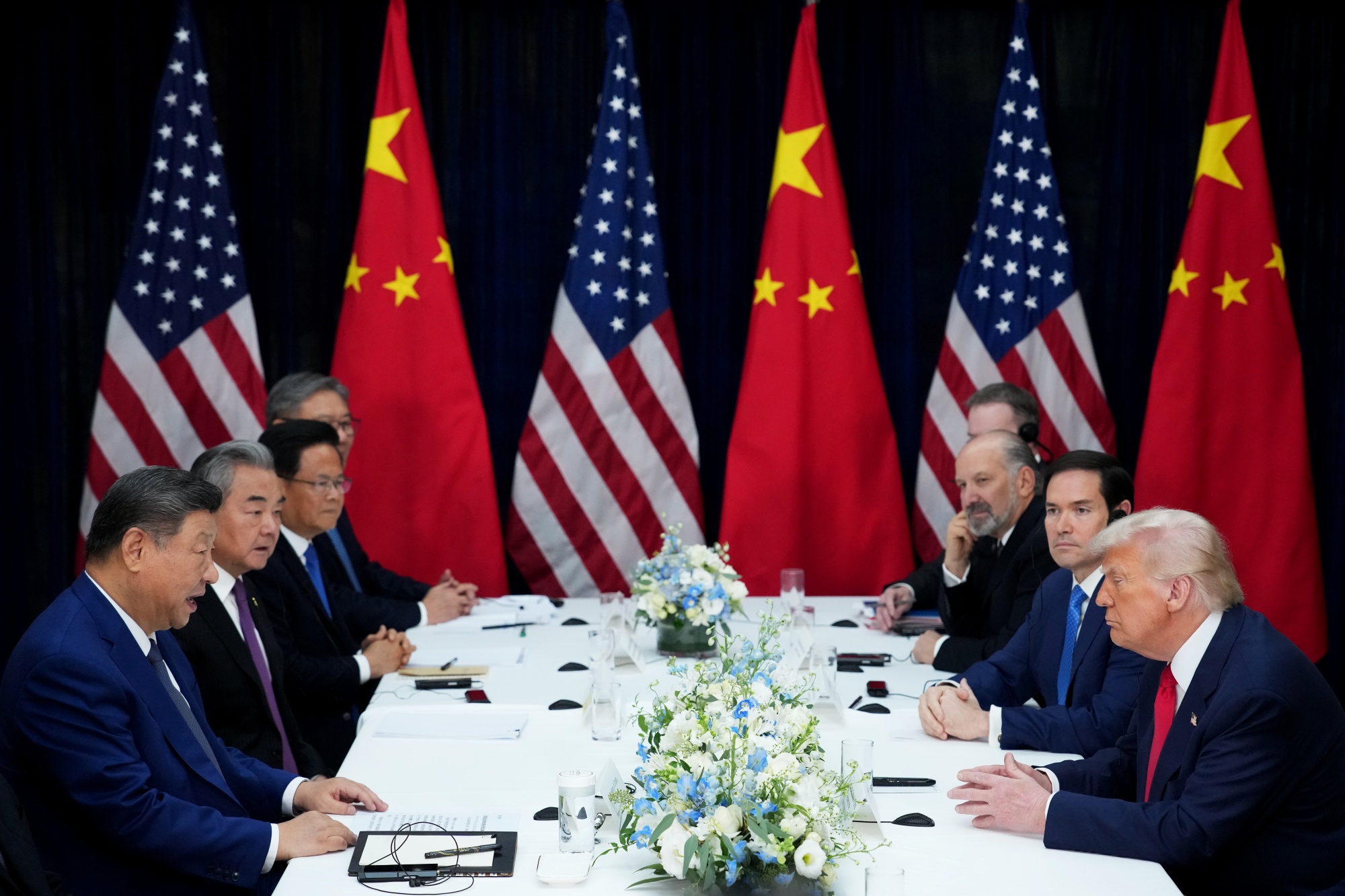
Trump said special envoys Steve Witkoff and Jared Kushner had discussions with "key people" in Iran and assessed that Tehran wanted to "make a deal," while claiming Supreme Leader Mojtaba Khamenei was not involved. Axios media outlets named Mohammad-Bagher Ghalibaf, but the Iranian Parliament Speaker denied negotiations were taking place. Conflicting statements from Iranian officials and state media have further added to the uncertainty surrounding the status of the talks.
IRNA quoted Iranian Foreign Ministry spokesman Esmail Baghaei as stating that Tehran accepted the US request through a mediator for talks to end the war, while warning of "severe" consequences for any aggression against Iran's vital infrastructure. Iranian Foreign Minister Abbas Araghchi was also said to be in contact with several countries—from Turkey, Oman, Pakistan, Egypt, Russia, and South Korea—as part of the diplomatic maneuver.
However, from the domestic political perspective, the signal was harsh. The Deputy Speaker of Parliament ruled out negotiations with Trump, saying Iran would not negotiate with parties it deemed untrustworthy. Iran also appointed a veteran IRGC hardliner as its new national security chief—a move that could potentially further strain the diplomatic path given the figure's lack of diplomatic experience.
Early indications suggest negotiations will be difficult and there is no guarantee of a deal being reached. Iran has previously demanded reparations and a guarantee that the US and Israel will not attack again—demands that Trump and Netanyahu are unlikely to accept. Meanwhile, the conflict has claimed more than 4,350 lives, with about three-quarters of those killed in Iran, and more than 1,000 in Lebanon in Israel's war against Hezbollah.
Tanker traffic in the Strait of Hormuz—a vital route for oil and gas exports. Around a fifth of global oil and LNG flows—have virtually stopped. Only a handful of ships have passed through since the conflict began, often after specific engagements with Iran. Tehran has also begun imposing transit fees on some commercial vessels, asserting control over the world's most vital energy route.
The US and Israel have stated their goal of preventing Iran from acquiring a nuclear weapon. Trump even implied the US would seize Iran's uranium stockpile and claimed the two sides were "on the same page" on the terms. Iran has long denied pursuing nuclear weapons, although access to UN inspections was reportedly restricted after a series of previous attacks. Trump also floated the idea that the US and Iran could "co-manage" the Strait of Hormuz if a deal were reached—an idea that remains far from certain amidst the ongoing war.
Source: Newsmaker.id