Trump Strait of Hormuz: Iran Responds with Threat to Attack Gulf Infrastructure
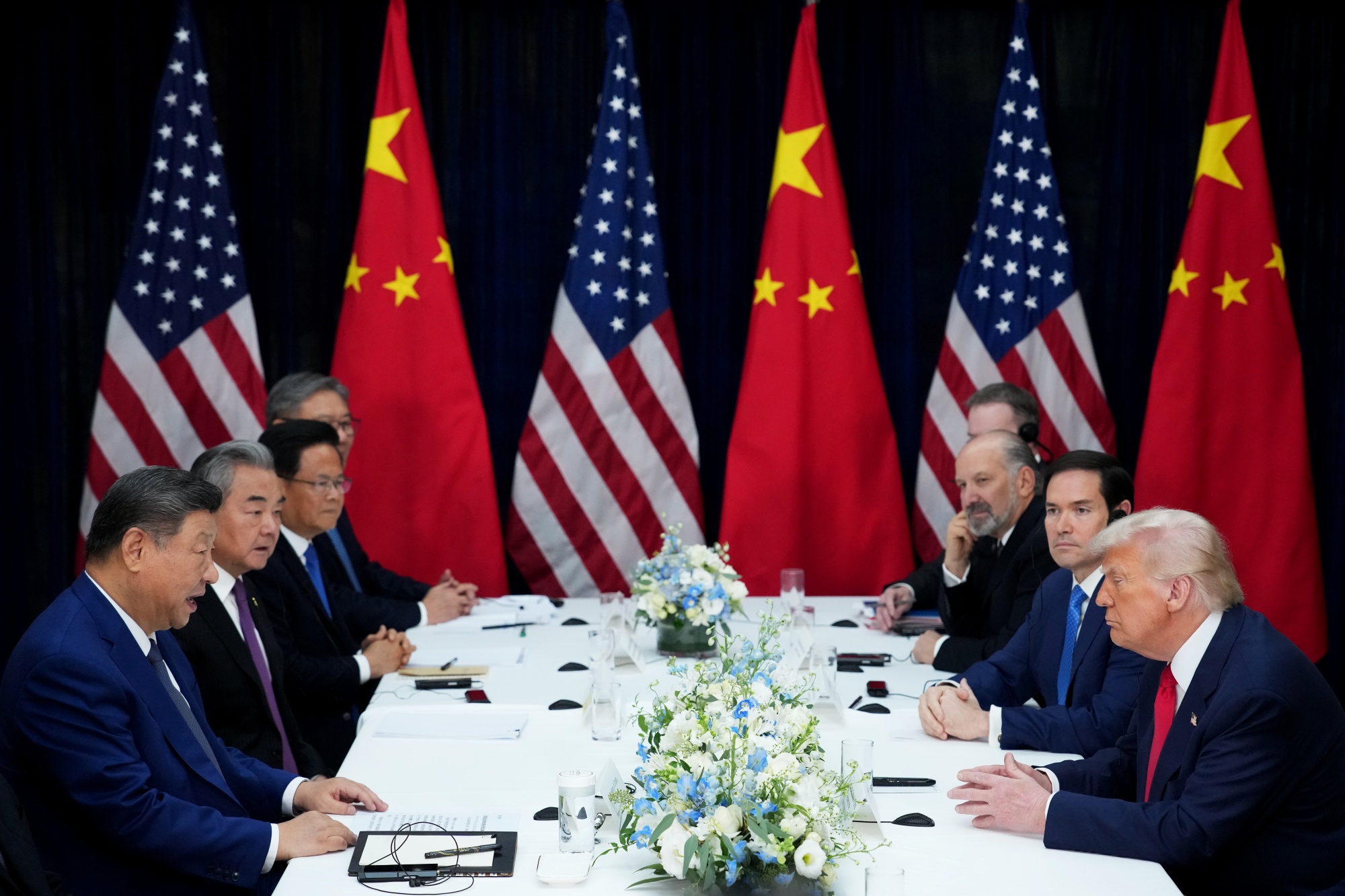
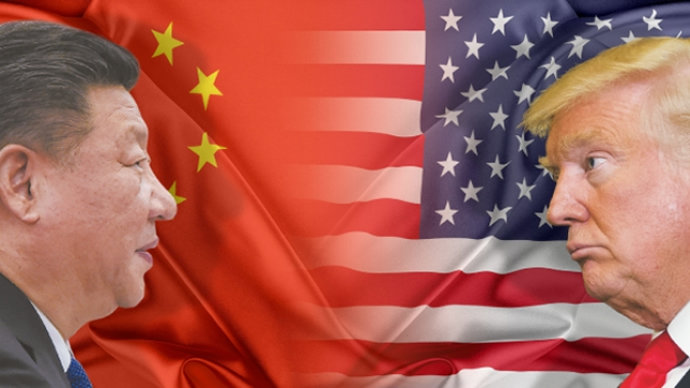
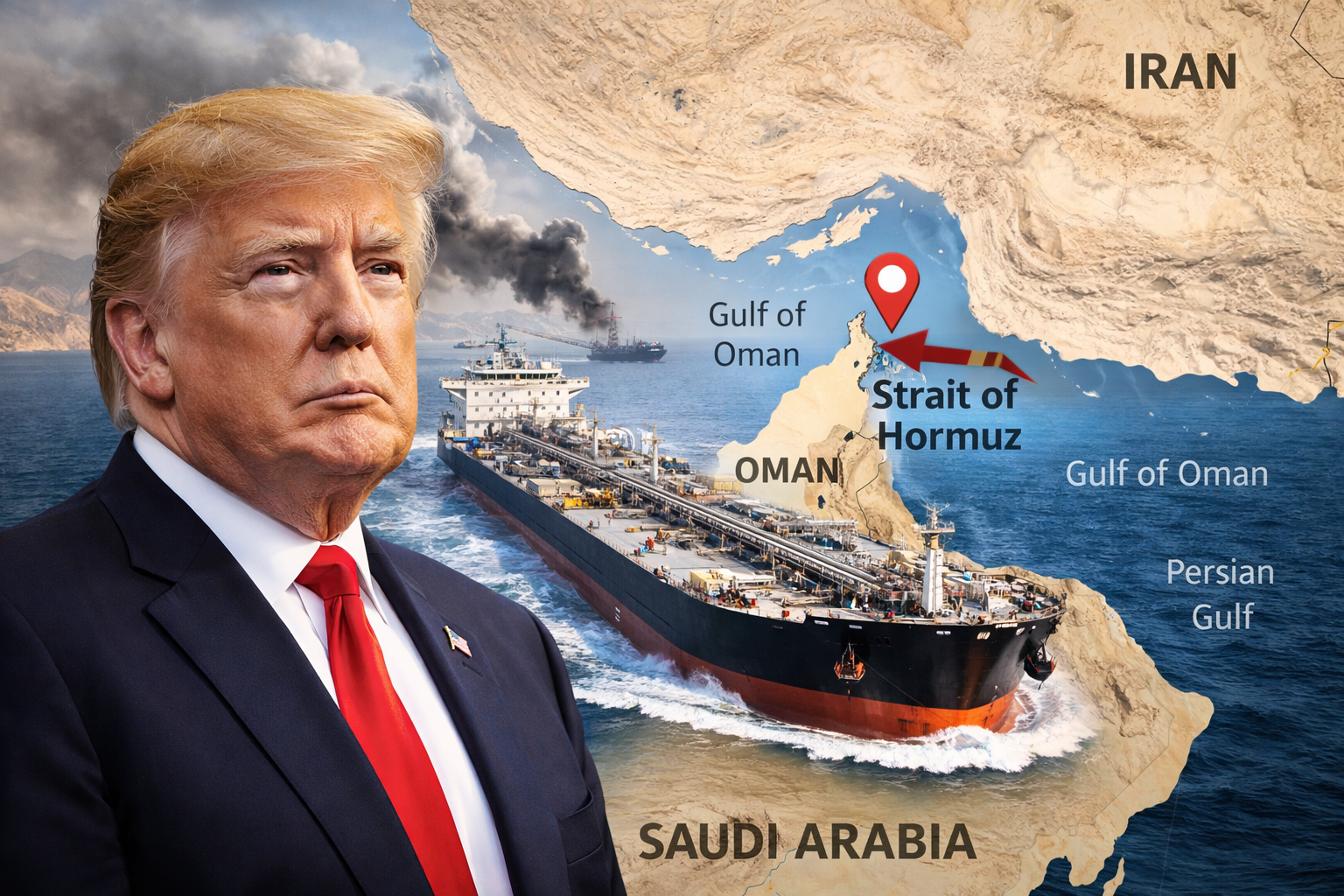
US President Donald Trump issued a harsh ultimatum to Iran on Saturday, threatening to "obliterate" Iranian power plants if Tehran did not fully reopen the Strait of Hormuz within 48 hours. The statement immediately escalated geopolitical tensions and sparked market concerns about the risk of disruption to global energy supplies.
Iran responded by warning it would target US infrastructure in the Gulf region, including energy and desalination facilities, if Washington carried out its threat. This threat expanded the risk from military warfare to potential attacks on vital civilian and economic facilities.
The Speaker of Iran's Parliament also issued a stark warning, stating that financial entities supporting US military spending could be considered legitimate targets. He even accused buyers of US Treasuries of "buying attacks" on their headquarters and assets—bringing the rhetorical escalation into the financial realm and adding to uncertainty in global markets.
The exchange of threats came after Iran reportedly targeted nuclear facilities in Israel, following reports of a US-Israeli attack on an Iranian nuclear enrichment complex. The Israeli military said several missiles struck the southern cities of Dimona and Arad after air defense systems failed to intercept them, highlighting heightened security risks even at strategic points.
This latest escalation has raised concerns among corporate executives that the conflict could last for months, prolonging a period of uncertainty for the global economy. Although oil prices stabilized on Monday, some analysts warn that further escalation—particularly attacks on critical infrastructure and energy facilities in the Middle East—could send prices soaring again.
In financial markets, US stock futures were relatively stable on Monday, but Wall Street's three major indexes closed lower for the week. The S&P 500 fell more than 1.5% and fell back below its 200-day moving average for the first time since May. The Dow recorded its first four-week losing streak since 2023, while the Nasdaq also fell about 2% during the week.
Newsmaker's Bottom Line: The Hormuz ultimatum and Iran's threat of retaliation raise the risk of an "energy shock + risk-off" re-emergence. As long as the Hormuz line remains unsecured and the rhetoric surrounding infrastructure attacks continues to escalate, markets will remain fragile—especially for oil, the dollar, and global equities.
Source: Newsmaker.id