Trump Claims He Wants to Be Involved in Choosing Iran's Next Leader!
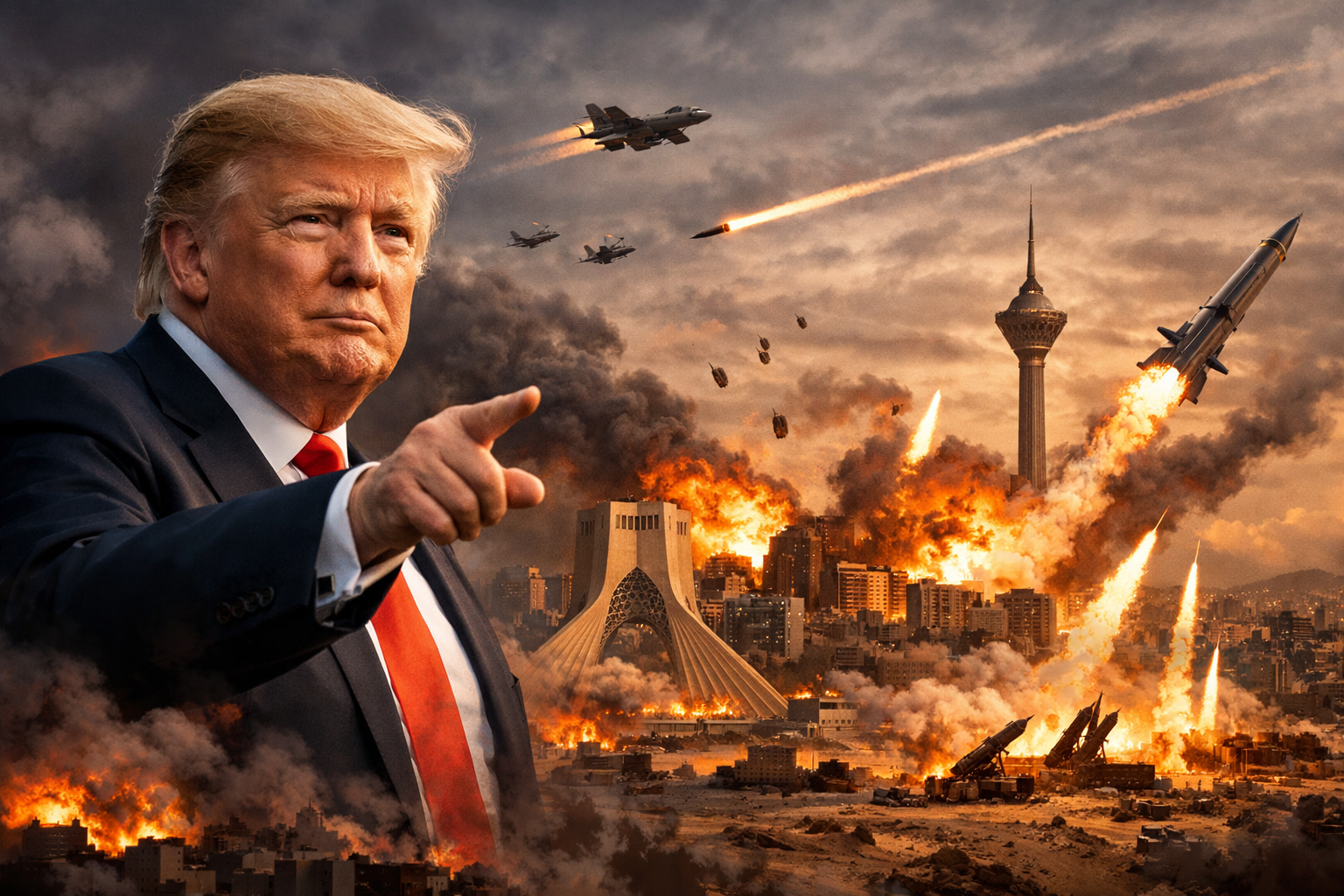
US President Donald Trump said Washington wants to be involved in the process of selecting Iran's next leader, as the escalation of the war continued on Thursday with US and Israeli airstrikes on several Iranian territories and renewed bombing of several Gulf cities. The statement added a political dimension to a conflict that has already shaken global risk sentiment.
In a telephone interview with Reuters, Trump dismissed Mojtaba Khamenei, the son of the late Supreme Leader Ali Khamenei and often considered a potential successor, as a less likely choice. He stated that the US "wants to be involved" in the process of determining who will lead Iran in the future.
Trump also expressed support for Iranian Kurdish forces carrying out attacks. He confirmed that his government had been in contact with Iranian Kurdish groups since the US-Israeli offensive began, but did not specify whether the US would provide air support for such a move. Security sources said two drone attacks targeted Iranian opposition camps in Iraqi Kurdistan and an oil field operated by a US company.
On the ground, the Israeli military warned residents to evacuate several areas, including eastern Tehran, while Iranian media reported explosions in various parts of the capital. Iranian state television said an airstrike killed 17 people at a guesthouse on a road northwest of Tehran.
From the US side, Defense Secretary Pete Hegseth and Admiral Brad Cooper stated that the US has sufficient ammunition to continue the bombardment for a long time. They also made operational claims, including attacks on Iranian ships and the use of B-2 bombers to drop dozens of "penetrator" bombs to target embedded ballistic missile launchers and missile production facilities.
Cooper said that Iranian ballistic missile attacks have decreased by 90% since the first day of the war, while drone attacks have decreased by 83% over the same period. These claims came amid assessments that Iran's offensive capabilities are weakening, but cross-border attacks have not stopped.
Domestically, the report suggests that the tensions in the conflict have become a political stake for Trump, with polls showing limited public support and concerns about rising gasoline prices due to energy supply disruptions. Trump dismissed these concerns, but energy price sensitivity remains a key conduit for the conflict's impact on the market.
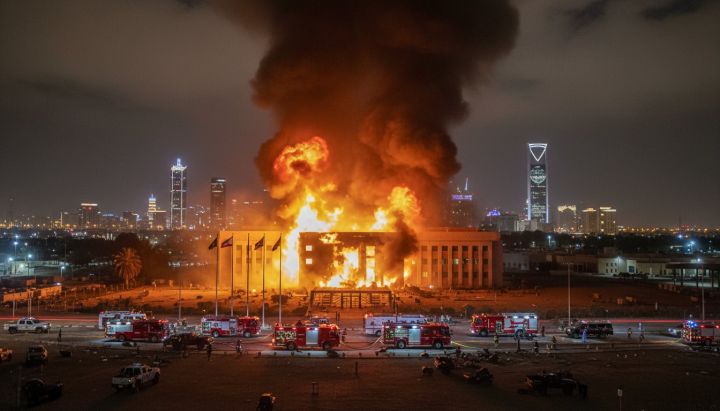
On the sixth day of the war, Iran launched a series of attacks on Israel, the United Arab Emirates, and Qatar. In Bahrain, firefighters extinguished a fire at a refinery following a missile attack. Market participants are now weighing the severity of the attack, risks to energy infrastructure, and US policy responses, which could potentially impact inflation expectations and risk asset volatility. (asd)
Source: Newsmaker.id