US Attack on Iran, Economic Turmoil and World Reaction
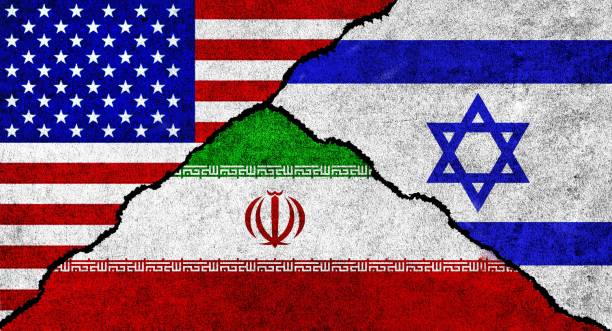
The US airstrike on Iran's nuclear sites earlier this week has sparked new tensions in the Middle East and had a significant impact on global markets. The US decision to attack Iran has further exacerbated geopolitical uncertainty in an already tense region. In the days following the attack, global stock markets, oil prices and currency exchange rates have shown sharp fluctuations. Crude oil futures prices soared, reflecting concerns about disruptions to global energy supplies, while major stock indexes in Asia and Europe fell significantly.
Iran's allies, including Russia and China, immediately condemned the US attack and considered it a provocation that could worsen the situation. The Russian government issued a strong statement accusing the US of being responsible for escalating tensions in the region and warning that the attack could plunge the world into a major conflict. China, which has close trade ties with Iran, expressed its concern and called on all parties to refrain from actions that could worsen the situation. "We urge the parties involved to immediately stop disproportionate military actions and return to the negotiating table," a spokesperson for the Chinese Foreign Ministry said.
On the other hand, Israel, which has had tense relations with Iran, welcomed the US attack with a more supportive attitude. Israeli Prime Minister Benjamin Netanyahu, in his speech called the US attack the right step in dealing with Iran's nuclear threat. "Israel stands with the United States in its efforts to stop Iran's nuclear ambitions that will endanger the region and the world," he said. Netanyahu also stressed that Israel is ready to support further action if necessary to ensure that Iran does not obtain a nuclear capability that could threaten regional stability.
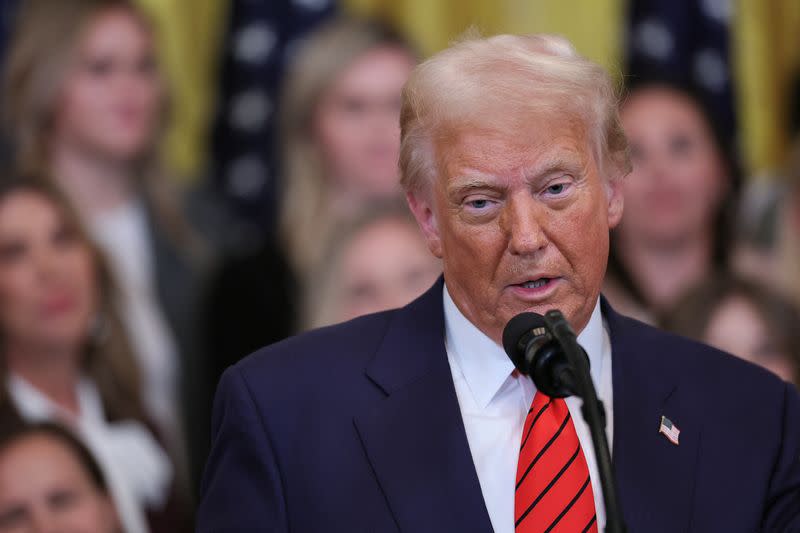
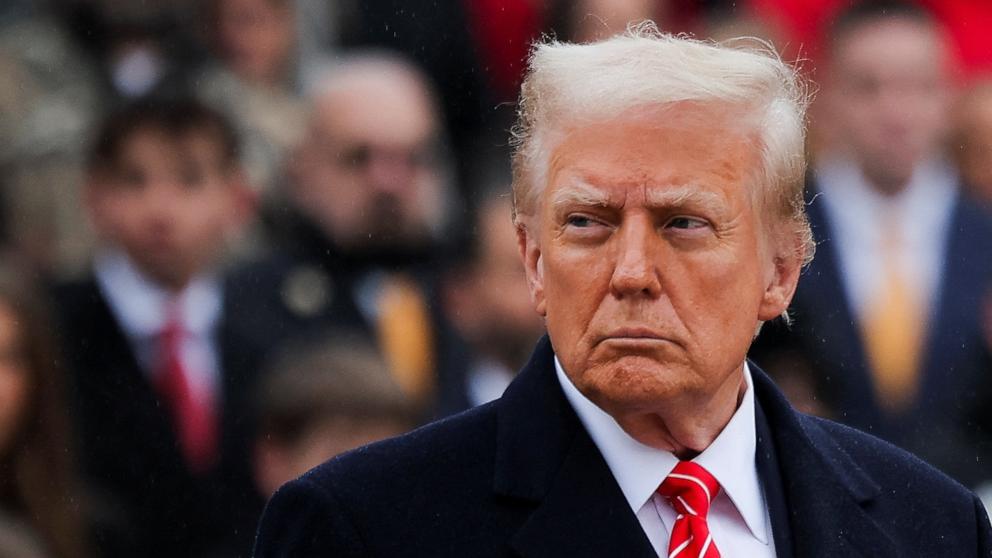
Reactions to the attack also came from former US President Donald Trump, who in his speech emphasized that the attack was the right action in order to protect the national security interests of the United States. "Iran has become a threat to the world with its nuclear ambitions, and we will not allow them to get weapons of mass destruction," Trump said in his speech broadcast on Tuesday. Trump also called for Western countries to unite in dealing with the Iranian threat and to increase international pressure on Tehran. "We must ensure that no country feels comfortable with having nuclear weapons that can destroy millions of lives."
However, public reaction to the attack was divided, with many fearing further escalation. Several European countries, including Germany and France, have strongly criticized the US move and urged a return to diplomacy. European leaders have warned that the attack could worsen the Iranian nuclear crisis and add to existing tensions. "This attack risks destroying the agreement that was made in the nuclear deal, and taking us even further away from a peaceful solution," French President Emmanuel Macron said.
The economic impact of the attack is already being felt. Stock markets in Asia fell sharply in early trading, with Japan's Nikkei index down more than 0.6%. In energy markets, crude prices jumped sharply, with Brent Crude hitting above $80 a barrel for the first time in more than a year. The tensions have further worsened the outlook for global economic growth, with many economists predicting that the geopolitical uncertainty will add to the challenges of a post-pandemic economic recovery. Looking ahead, the world will continue to monitor Iran's response to the attack and how its next steps will shape the global political and economic landscape.(ayu)
Source: News Maker