Hormuz Heating Up Again?
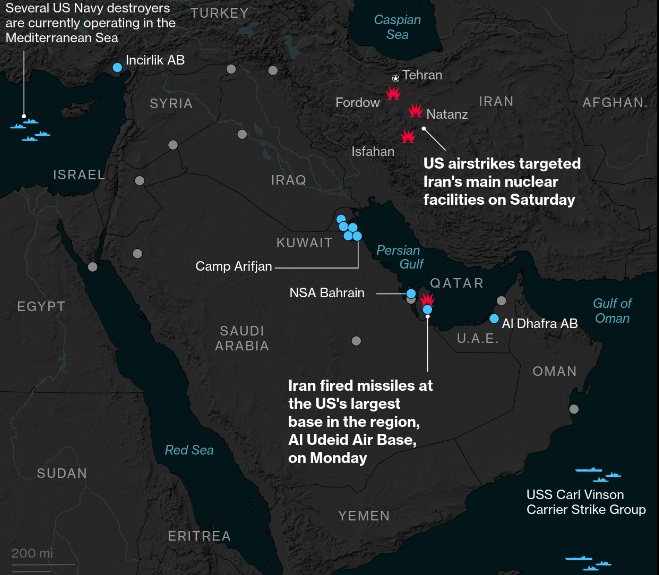
Tensions in the Strait of Hormuz escalated again on Monday (August 10) after Iran and Oman failed to reach a final agreement on opening shipping lanes. Iran stated that while talks have made progress, the full opening of Hormuz remains contingent on demands made to the United States, including the lifting of sanctions and blockades.
The situation has become increasingly sensitive following social media reports of an alleged Iranian anti-ship missile attack on a tanker near Oman. These claims have not been officially confirmed; consequently, the vessel's identity, the number of missiles involved, and the condition of any casualties remain unverified.
Although the latest claims remain unverified, the threat to shipping persists. Recent days have seen reports of attacks on vessels in the Hormuz region, while ship traffic through the strait remains well below normal levels due to the ongoing conflict that began earlier this year.
Tensions have also spread to Yemen. The Iran-backed Houthi group has stepped up attacks on Saudi-linked interests, fueling concerns that the conflict could widen and disrupt energy shipping routes in both the Gulf and the Red Sea.
Oil markets reacted immediately to this uncertainty. In Monday morning trading, Brent crude rose approximately 0.9% to US$84.32 per barrel, while WTI gained about 0.7% to reach US$78.74. Investors are once again factoring in a geopolitical risk premium, given the lack of certainty regarding when oil flows through Hormuz might return to normal.
Newsmaker Analysis: As long as the Iran-Oman deal remains unfinished and threats to shipping persist, oil prices are likely to remain elevated. Brent is back above US$84. Further escalation could drive prices higher, whereas a formal agreement that genuinely guarantees freedom of navigation could trigger a rapid correction in oil prices. (asd)*
Source: Newsmaker.id