Oman and Iran Form Special Task Force to Manage Navigation in the Strait of Hormuz
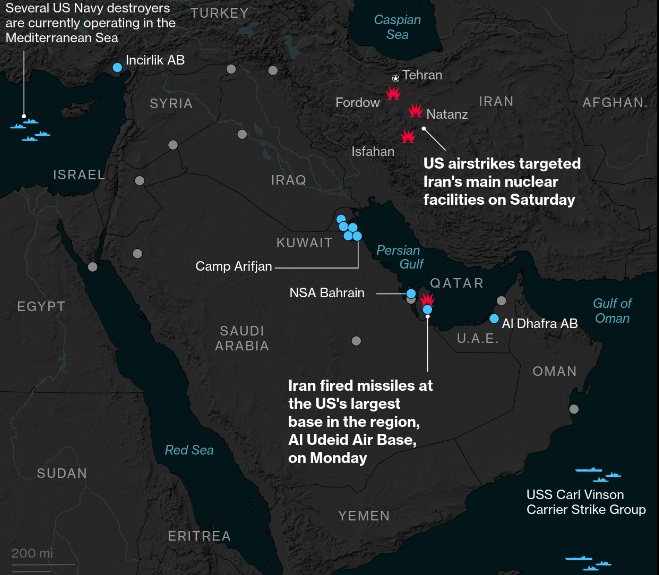
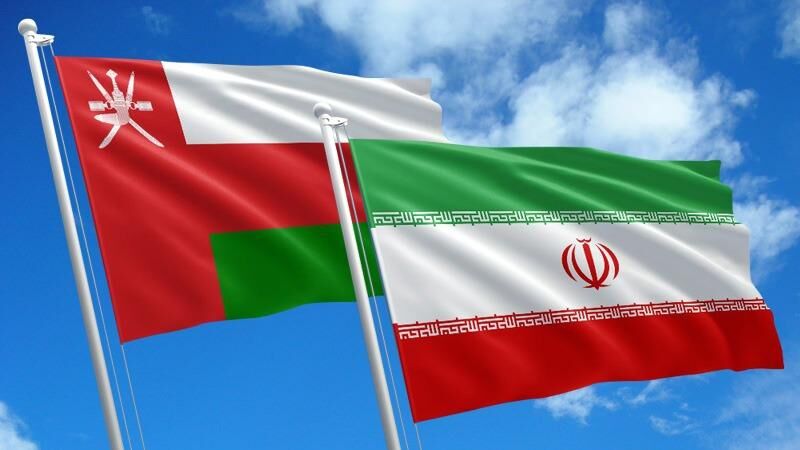
Oman and Iran have agreed to form a joint task force to develop a framework for managing navigation in the Strait of Hormuz. This agreement was reached after a meeting in Muscat on Tuesday (June 23), amid regional efforts to maintain the security of this vital shipping lane. The Strait of Hormuz is of significant global market interest as it serves as a key route for oil and gas shipments from the Persian Gulf region to the world.
During the meeting, Iranian Parliament Speaker Mohammad Bagher Ghalibaf and Iranian Foreign Minister Abbas Araghchi met with Sultan of Oman Haitham bin Tariq and Omani Foreign Minister Sayyid Badr bin Hamad bin Hamoud Al-Busaidi. Oman also expressed support for the Islamabad Memorandum of Understanding between the United States and Iran, while emphasizing the importance of continued dialogue for the agreement's effective implementation.
Both countries reaffirmed their commitment to maintaining a safe and open shipping lane in accordance with international law. However, Oman and Iran also emphasized that any arrangements in the Strait of Hormuz must respect each country's sovereignty and sovereign rights over its territorial waters. This means that this cooperation not only concerns ship security but also addresses political, legal, and strategic interests of both countries.
The joint working group will discuss navigation management mechanisms, the types of services that can be provided to passing ships, and potential costs, based on international standards. Oman and Iran also agreed to open discussions with other coastal states in the region and related parties. This step is crucial to ensure that the Hormuz arrangement is not solely a two-state decision but is also acceptable to shipping operators and the global energy market.
For the oil market, this agreement between Oman and Iran is a positive signal, demonstrating efforts to maintain stability in the Strait of Hormuz. If the passage remains secure and ships become more confident in passing, pressure on oil prices could persist as the risk of supply disruptions decreases. However, if differences of opinion between the US, Iran, and regional parties escalate, Hormuz could remain a flashpoint, triggering spikes in energy prices and increasing global market volatility. (arl)
Source: Newsmaker.id