US-Iran Peace Is Still in the Mist!
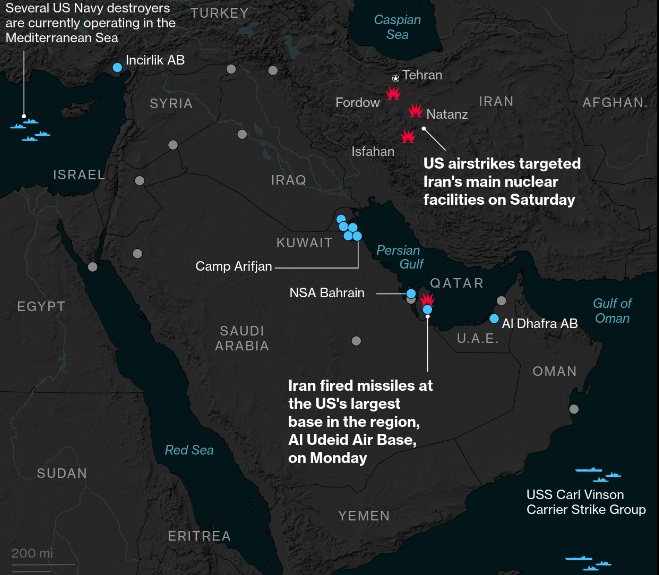
The ceasefire agreement between the United States and Iran has apparently not completely eased tensions. Although both sides have signed a 60-day peace framework, Washington and Tehran still have differing interpretations of the agreement's contents. The sharpest differences arise on three key issues: control of the Strait of Hormuz, the use of disbursed Iranian funds, and Lebanon's position in regional agreements.
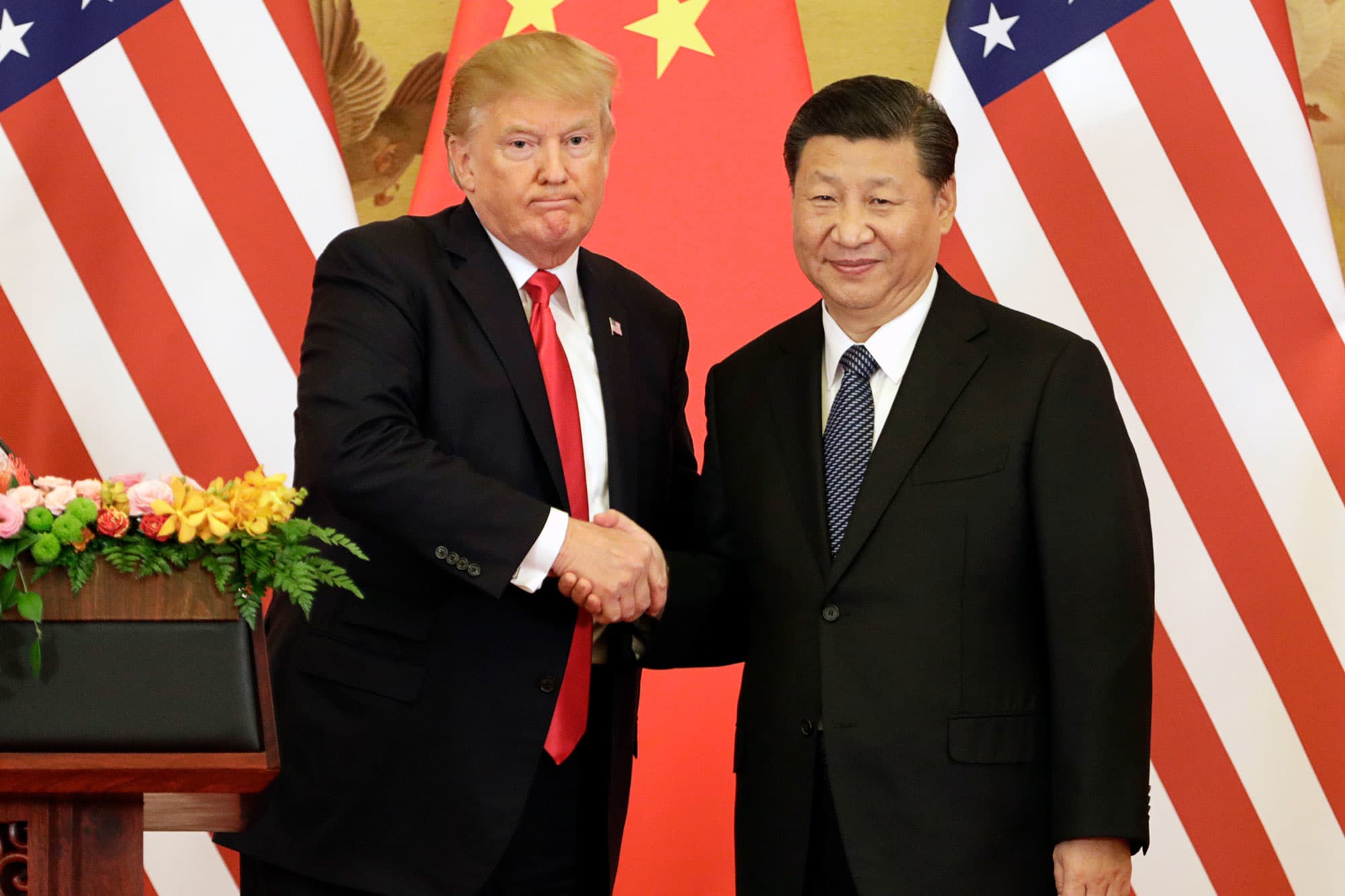
From the United States' perspective, President Donald Trump portrayed the agreement as proof that Washington still holds significant control over the situation. Trump stated that the United States has full control of the Strait of Hormuz and could reimpose a blockade if Iran does not comply with the agreement. He also stated that crude oil has resumed flowing through the waterway, thus lowering energy prices and sparing the global economy from further pressure.
However, Iran has a different perspective. Tehran believes the agreement does not mean the United States controls the Strait of Hormuz, but merely establishes a communication channel to prevent conflict and maintain shipping security. In other words, Iran views the arrangement as a communication mechanism between two equals, not a transfer of control of the strategic waterway to Washington. These differing interpretations make the status of Hormuz a persistent sticking point in the peace process.
Differences also emerged over the use of previously frozen Iranian funds. Trump stated that the funds should be used to purchase food for the Iranian people. However, on Tehran's side, Iranian central bank officials stated that the released funds need not be used solely for essential goods. Iran also asserted that it was not obligated to purchase agricultural inputs from the United States as long as the purchased goods were not on the sanctions list.
The Lebanon issue also posed a significant obstacle to the agreement's clarity. Iran stated that, based on the talks in Switzerland, the United States and Iran both guaranteed Lebanon's territorial integrity. However, Washington still viewed the Lebanon issue as related to Hezbollah's activities and Israel's security. These differing views indicate that the ceasefire has temporarily reduced tensions but has not addressed the root cause. As long as both sides fail to agree on a common interpretation, global markets will continue to view the US-Iran agreement as a fragile peace pact, at risk of re-escalation.
Consequently, the dollar tends to strengthen, gold struggles to rise due to depressed expectations of high interest rates, and oil prices remain highly volatile. If Hormuz is secure and Iranian supplies are restored, oil prices will fall. However, if the conflict escalates again, oil prices could surge, putting pressure on gold through inflation concerns. (asd)*
Source: Newsmaker.id