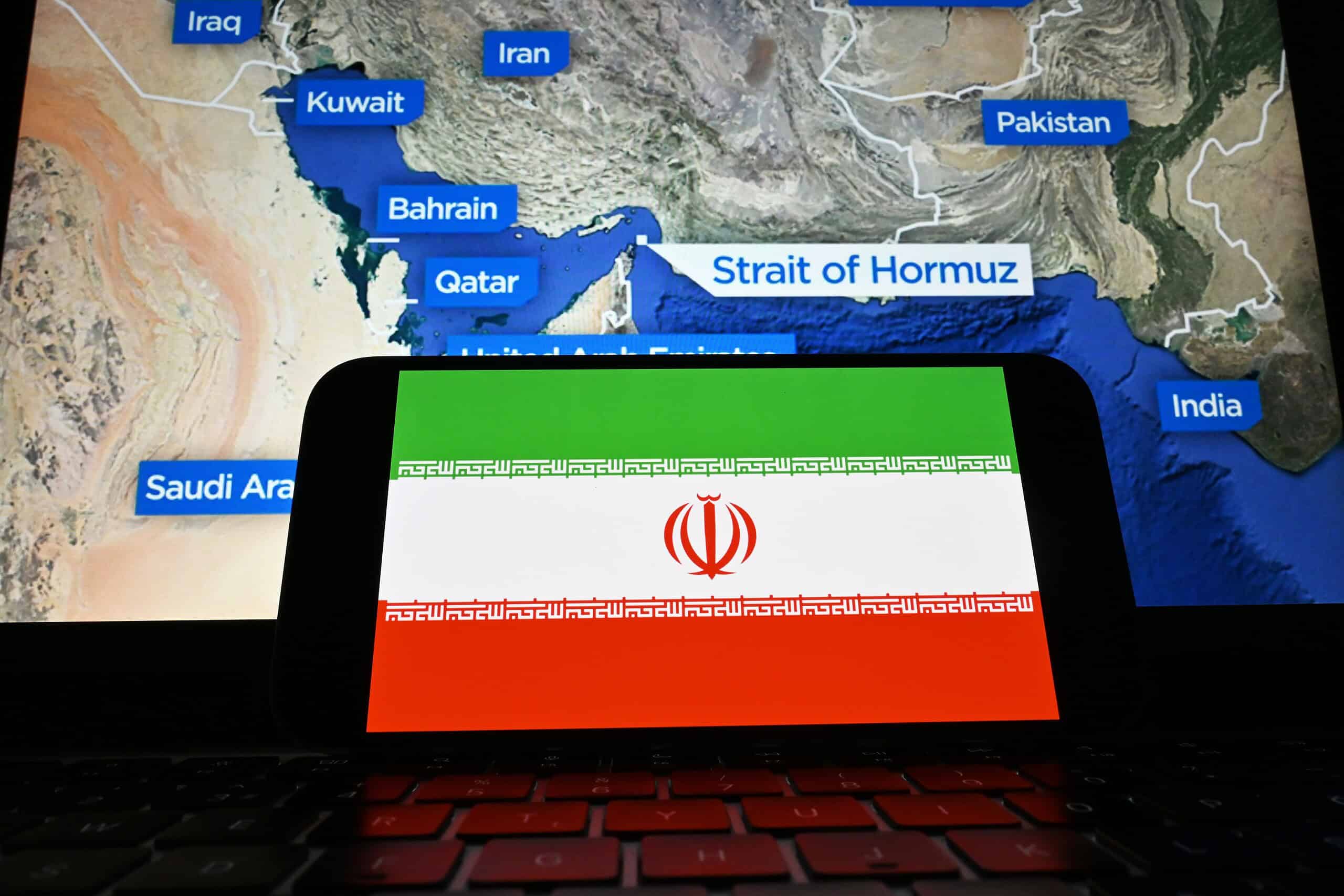
US-Iran Deal Advances, Hormuz Remains Key Risk
The US and Iran are preparing to sign an interim peace agreement, but energy markets are still questioning how quickly the Strait of Hormuz can return to normal. Emerging details of the accord include possible sanctions waivers that would allow Iran to sell oil immediately, while other financial incentives would be delivered gradually.
The text of the memorandum of understanding has not yet been published. The document is expected to open the way for two months of negotiations on Iran’s nuclear program and other issues tied to ending the conflict. A US official said the full text could be released within the next two days before the signing ceremony in Bürgenstock, Switzerland.
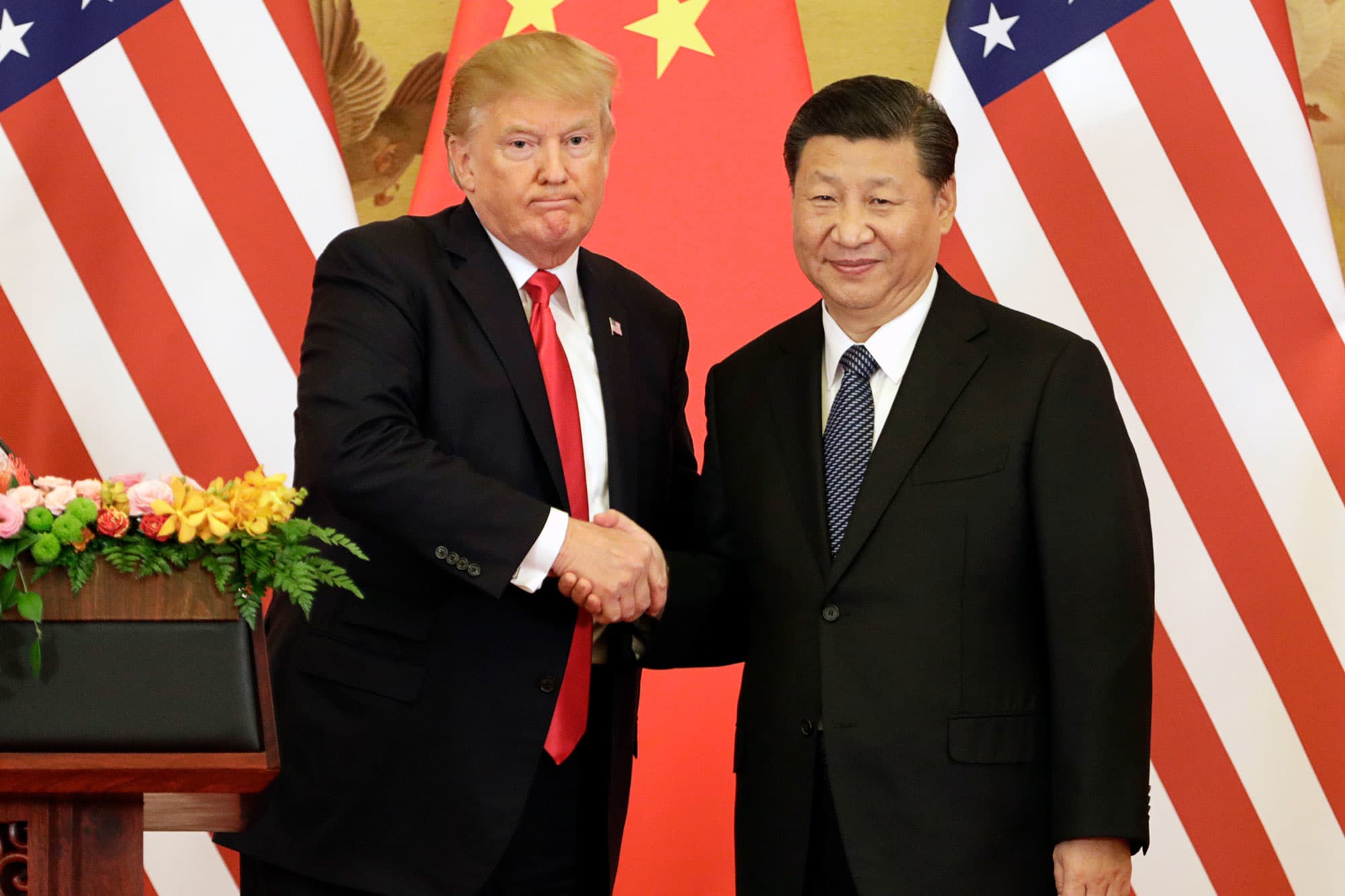
Vice President JD Vance is expected to lead the US delegation, while Iran is likely to be represented by Parliament Speaker Mohammad Bagher Ghalibaf. US President Donald Trump, who is attending the G7 summit in France, described the agreement as a done deal and said Washington would not pay war reparations or immediately invest money in Iran.
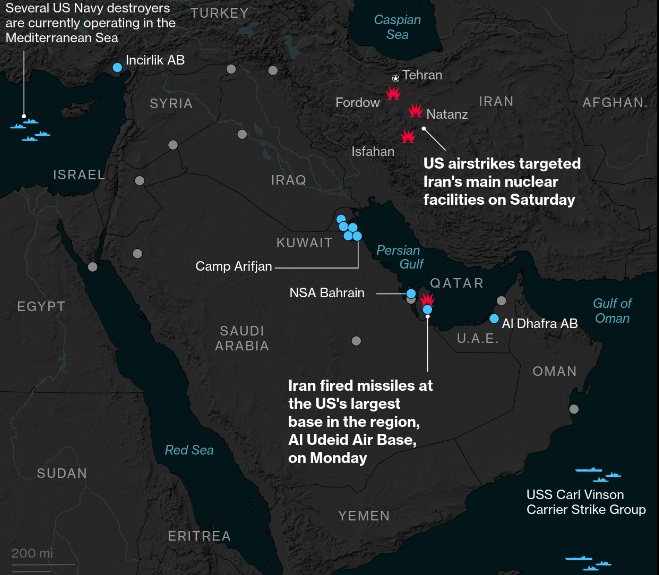
For markets, the central issue is not only the signing, but how quickly Hormuz can return to prewar conditions. European countries such as France, the UK, and Italy are prepared to help clear mines if needed. Still, they remain cautious about risks to their vessels and skeptical that the waterway can fully reopen by Friday.
A draft of the agreement says the US and its regional partners may prepare a financing plan of up to $300 billion for Iran’s rehabilitation and economic development. Iran says the war, which began on February 28 with a US-Israeli bombardment, has caused more than $250 billion in economic damage. However, Washington continues to stress that investment and funding access will depend on Tehran proving its commitments.
Frozen funds are also a key part of the negotiation. Iranian officials say the memorandum could allow access to tens of billions of dollars held in places such as Qatar. The draft reviewed by Bloomberg says those funds will be released and made fully available, but does not provide a clear timeline.
Oil prices have fallen sharply since Trump said a deal was close. Brent edged higher early Wednesday after sliding about 5% and closing below $79 a barrel in the previous session. Beyond diplomacy, weaker demand in China and the use of emergency petroleum reserves by the US and other countries have also helped pressure prices.
The market transmission is clear. If Hormuz reopens and Iranian exports increase, energy supply risks could ease, oil prices may become more contained, and energy-driven inflation pressure could decline. But if the reopening is slow or Iran imposes navigation fees after the 60-day negotiation period, the geopolitical risk premium in energy markets could return.
Tehran has signaled it may charge vessels navigation fees after the new round of talks ends. Trump said Hormuz would remain permanently open and toll-free, while a senior US official previously said the waterway’s status beyond the 60-day period would still be discussed. That difference shows that operational details remain a source of risk.
The agreement will also depend on verification. Vance said the deal would be built around a monitoring system to ensure Iran follows through on its pledges. In US domestic politics, several Republican senators are pressing for more details and have signaled that Congress will ultimately vote on the final agreement.
Another risk comes from Israel’s conflict with Hezbollah in Lebanon. The memorandum is expected to state that there must be a ceasefire on all fronts, including Lebanon. However, some Israeli politicians have called for continuing operations against Hezbollah, which has launched missiles and drones into Israel in support of Iran.
Markets will next focus on the publication of the memorandum, the mechanism for reopening Hormuz, the timeline for sanctions waivers, Iran’s access to frozen assets, and the positions of Israel and Hezbollah in Lebanon. Until those details become clearer, the US-Iran agreement may reduce near-term risk but will not fully remove geopolitical and energy-market uncertainty.
Source : Newsmaker.id