US-Iran Agrees Deal, Markets Shaken!
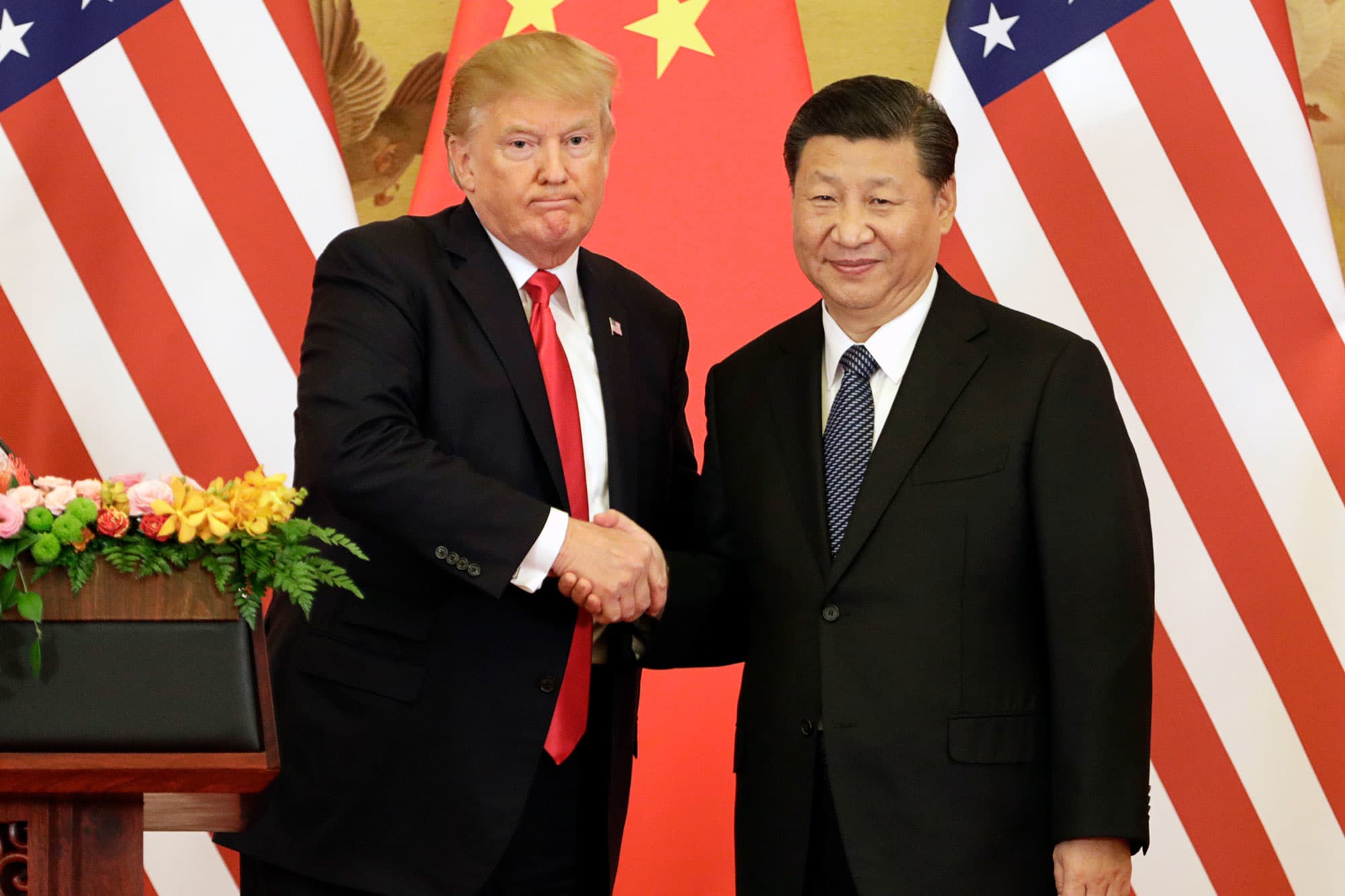
The United States and Iran said they had reached a preliminary agreement to reopen the Strait of Hormuz and end the war that has rocked the Middle East. The agreement paves the way for 60 days of negotiations on the future of Iran's nuclear program, although the official text has not been released by either side.
US and Iranian officials were scheduled to meet in Switzerland on June 19 to sign the agreement. The delay from the original schedule indicates that several technical aspects still need to be resolved. President Donald Trump has said the deal will bring peace and security to the region, while Iran stated that details of the agreement will be announced after the signing.
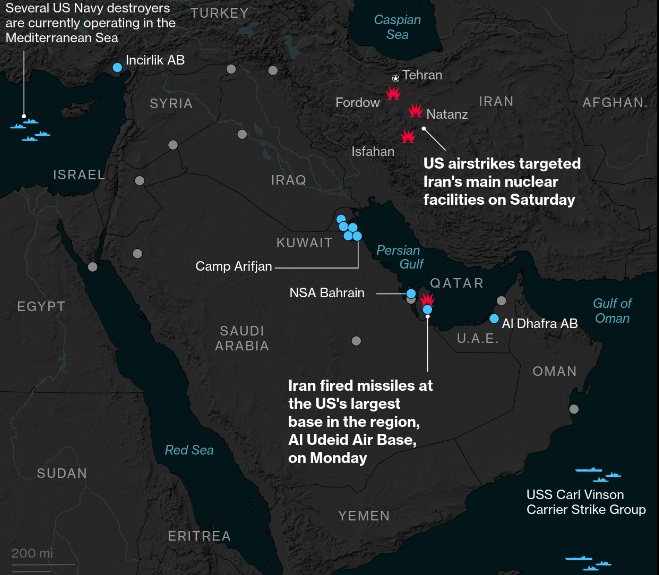
The Strait of Hormuz is central to the agreement because the waterway has been severely disrupted since the outbreak of the war. Hundreds of ships have been stuck on both sides of the waterway, disrupting global energy markets. Under normal conditions, Hormuz carries about a fifth of the world's oil and LNG supplies, making the reopening of the waterway a significant signal for the market.
However, both sides continue to present conflicting narratives. Iranian media portrayed the agreement as a victory for Tehran, as the US and Israel were perceived as being forced to end the war. Meanwhile, Washington emphasized that the deal is a first step toward ensuring Iran does not develop nuclear weapons and opens space for further technical negotiations.
Key obstacles remain. Iran wants the lifting of primary and secondary sanctions, access to funds frozen abroad, and new arrangements regarding shipping through Hormuz. Meanwhile, the US must contend with domestic political pressure, particularly from hawks who believe Trump risks giving Iran too much leeway without a full resolution of the nuclear and ballistic missile issues.
The deal also does not automatically normalize energy flows. Mine clearance, ship security, and traffic regulation in Hormuz still require time. Israel is also a key variable, especially after a new attack in Lebanon threatened the signing momentum. Therefore, the market will still be waiting for evidence of implementation, not just political announcements.
Consequently, oil could potentially remain under pressure if Hormuz is actually opened, as the supply risk premium shrinks. The dollar could weaken as safe-haven demand diminishes as geopolitical risks subside. Meanwhile, gold could experience mixed movements: a weaker dollar provides support, but declining war risks and energy inflation could reduce safe-haven demand. (asd)*
Source: Newsmaker.id