5 Key Phases of the US-Iran Conflict: Tensions Heating Up!
The United States launched another attack on several targets in Iran after President Donald Trump declared Tehran "must pay a price" for taking too long to negotiate an interim peace deal. This latest attack extends the period of military retaliation, further straining the fragile ceasefire between the US and Iran.
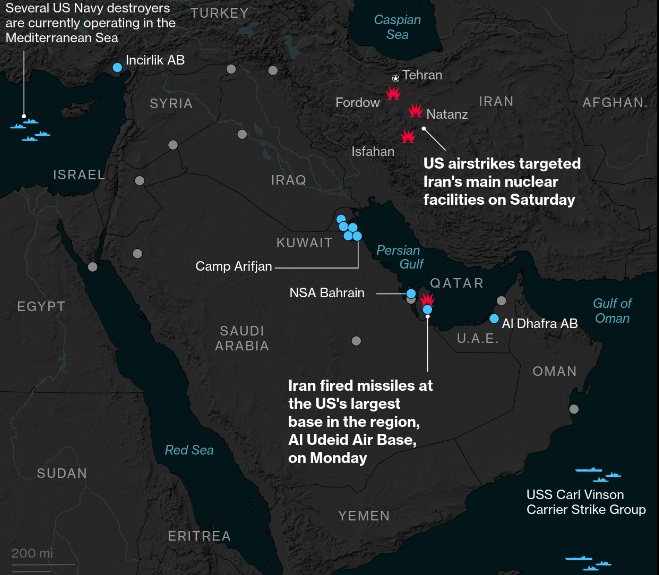
First, the escalation occurred after Iran reportedly attacked US assets in several Middle Eastern countries, including targets linked to US military facilities in Bahrain, Kuwait, and Jordan. US Central Command has not yet fully implemented the Iranian strikes, but Kuwait, Jordan, and Bahrain reported interceptions of drones or missiles. There have been no reports of casualties.
Second, Washington stated that the attack on Iran was in response to the downing of a US Apache helicopter near the Strait of Hormuz. The US said the previous attack targeted Iranian air defense systems, radars, and ground control facilities. Iran has not yet confirmed the claim of downing the helicopter, but maintains the right to self-defense and has warned Gulf states against becoming bases for US or Israeli attacks.
Third, the conflict is now not just a military one, but also poses a risk to civilian infrastructure. Iranian media reported that air facilities in the southern region were damaged in the attack, temporarily leaving thousands of citizens without air access. The US stated that it was still reviewing the report. If true, this issue could increase legal and political pressure on Washington's military operations.
Fourth, the diplomatic path is narrowing. Trump has claimed for weeks that a deal with Iran is close, including one to reopen the Strait of Hormuz and curb Tehran's nuclear program. However, recent statements indicate that the process has not yet reached a consensus. Vice President JD Vance even admitted that a deal could be reached next week, but it could also be delayed for months.
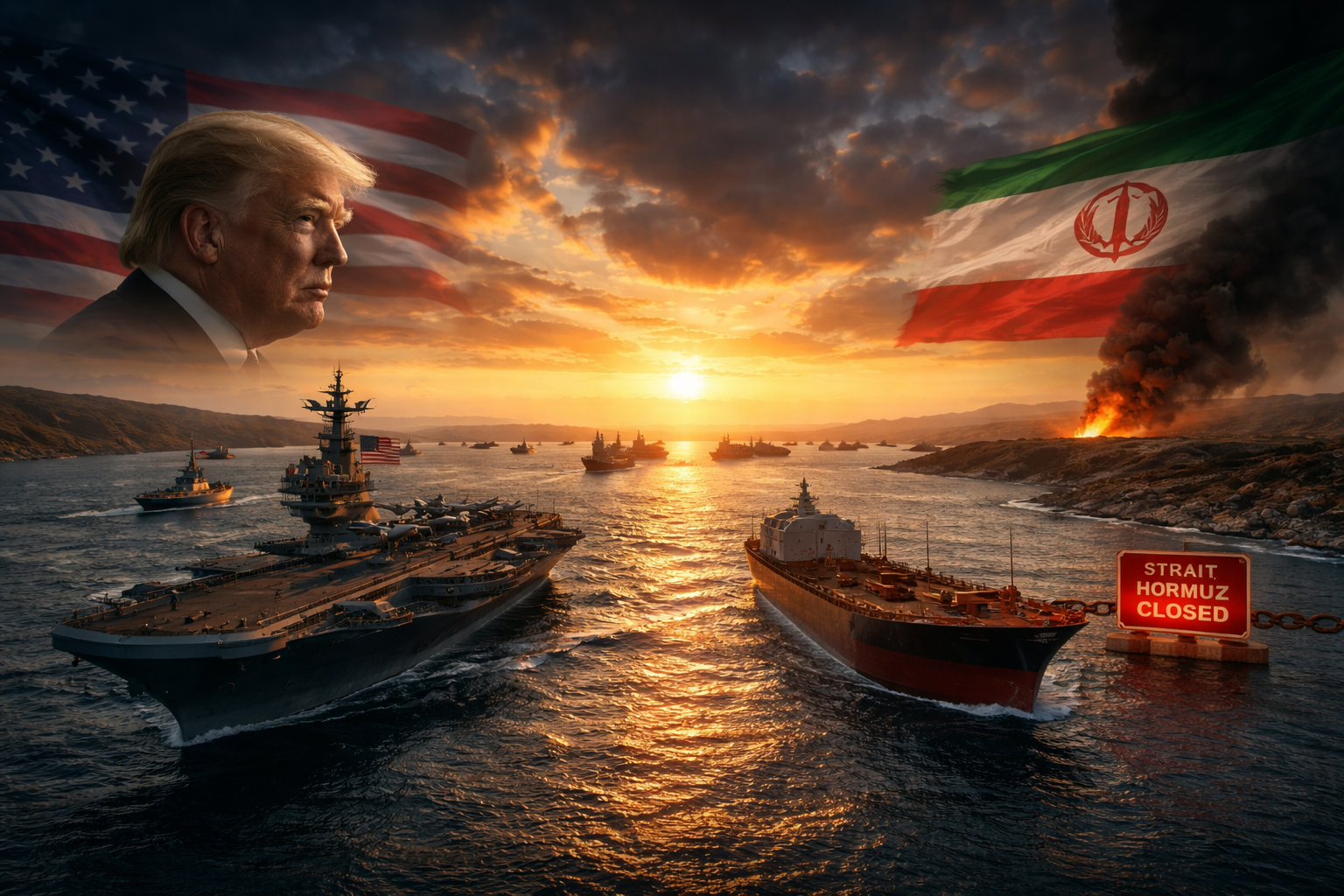
Fifth, the Strait of Hormuz remains a center of global market risk. Iran has limited military capacity compared to the US, but its ships possess sufficient means to disrupt traffic, including mines and drones. Consequently, oil risks rise if energy shipments are disrupted, gold could fluctuate between safe haven and interest rate pressure, while the dollar could potentially remain supported by risk-off flows as long as the conflict persists. (asd)
Source: Newsmaker.id