Trump's Harsh Remarks Signal US-Israel Discord
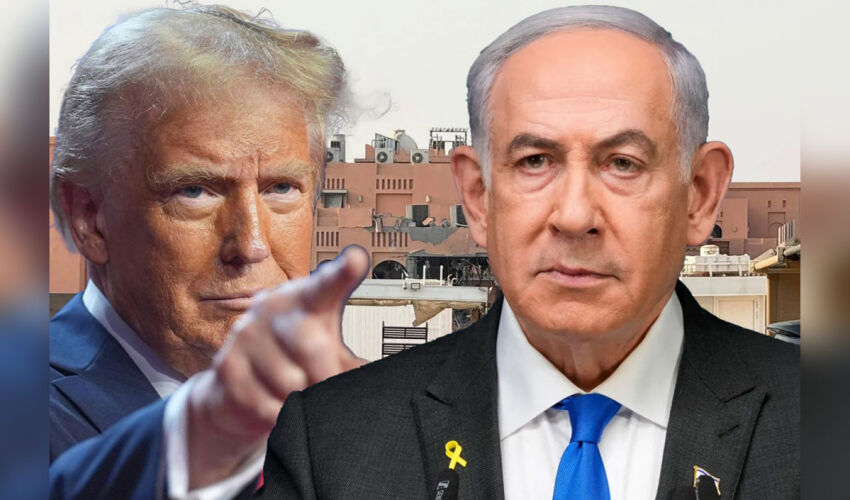
US President Donald Trump admitted he once called Israeli Prime Minister Benjamin Netanyahu "crazy" in a harshly worded phone call about the fighting in Lebanon, as Washington attempts to negotiate an end to the conflict with Iran. In a podcast interview aired Wednesday (June 3), Trump answered "yes" when asked if he used harsh language toward Netanyahu, saying he was "a little annoyed" by Israel's continued fighting in Lebanon.
Trump's admission referenced an Axios report describing an expletive-filled conversation on Monday, including accusations of Netanyahu being ungrateful. Trump maintained that he and Netanyahu "have a very good relationship," but said he asked Israel to stop the escalation, implying direct pressure from the White House to halt operations in Lebanon in order to maintain a broader diplomatic path.
Netanyahu responded by declining to disclose the contents of the conversation but said his relationship with Trump had not changed. He said the US and Israel share the same goals, despite occasional "tactical differences" like "in the best of families," and emphasized that they always find a way to resolve their differences.
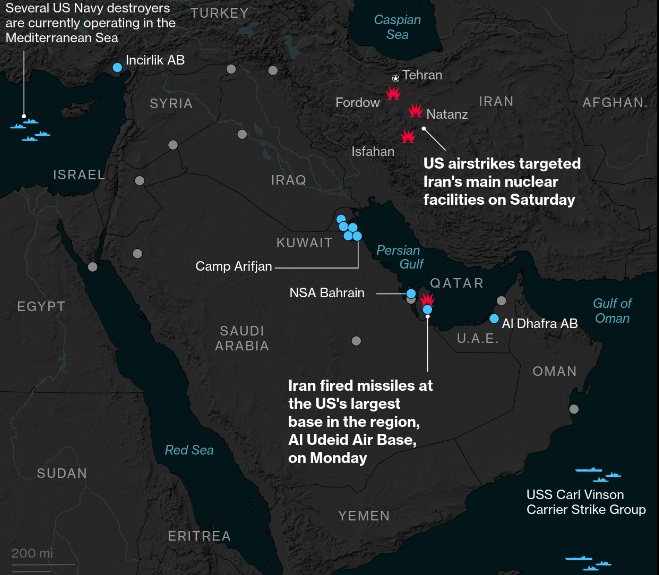
The Lebanon issue has become a sensitive point, as Iran has stated it will not agree to any deal to end the war with the US unless a ceasefire also includes Lebanon. Despite the announcement of a US-brokered agreement on Monday—with Israel reportedly halting attacks on Beirut's southern suburbs and Hezbollah halting cross-border attacks—hostilities reportedly continue, including Israeli drone strikes in southern Lebanon and Israeli claims of intercepting air threats suspected of originating from Hezbollah.
Trump also rejected the narrative that Netanyahu "set him up" to attack Iran, asserting that the decision to launch the operation—under the pretext of preventing Iran from acquiring nuclear weapons—was his own. He also reiterated claims that Israel would be in a much worse position without US policies under his leadership, including his decision to withdraw from the 2015 Iran nuclear deal during his first term.
These developments add to signs that US-Israel coordination is in a more delicate phase, just as markets and diplomacy await whether the Iran talks can actually produce a workable agreement, particularly regarding Lebanon, Hormuz, and the nuclear issue that remains at the heart of the dispute. (arl)
Source: Newsmaker.id