IRGC Claims Targeting US Airbase, Markets Volatility!
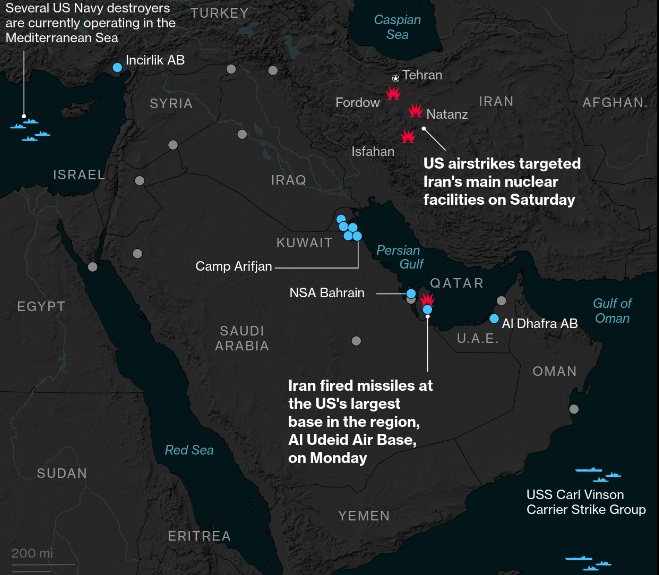
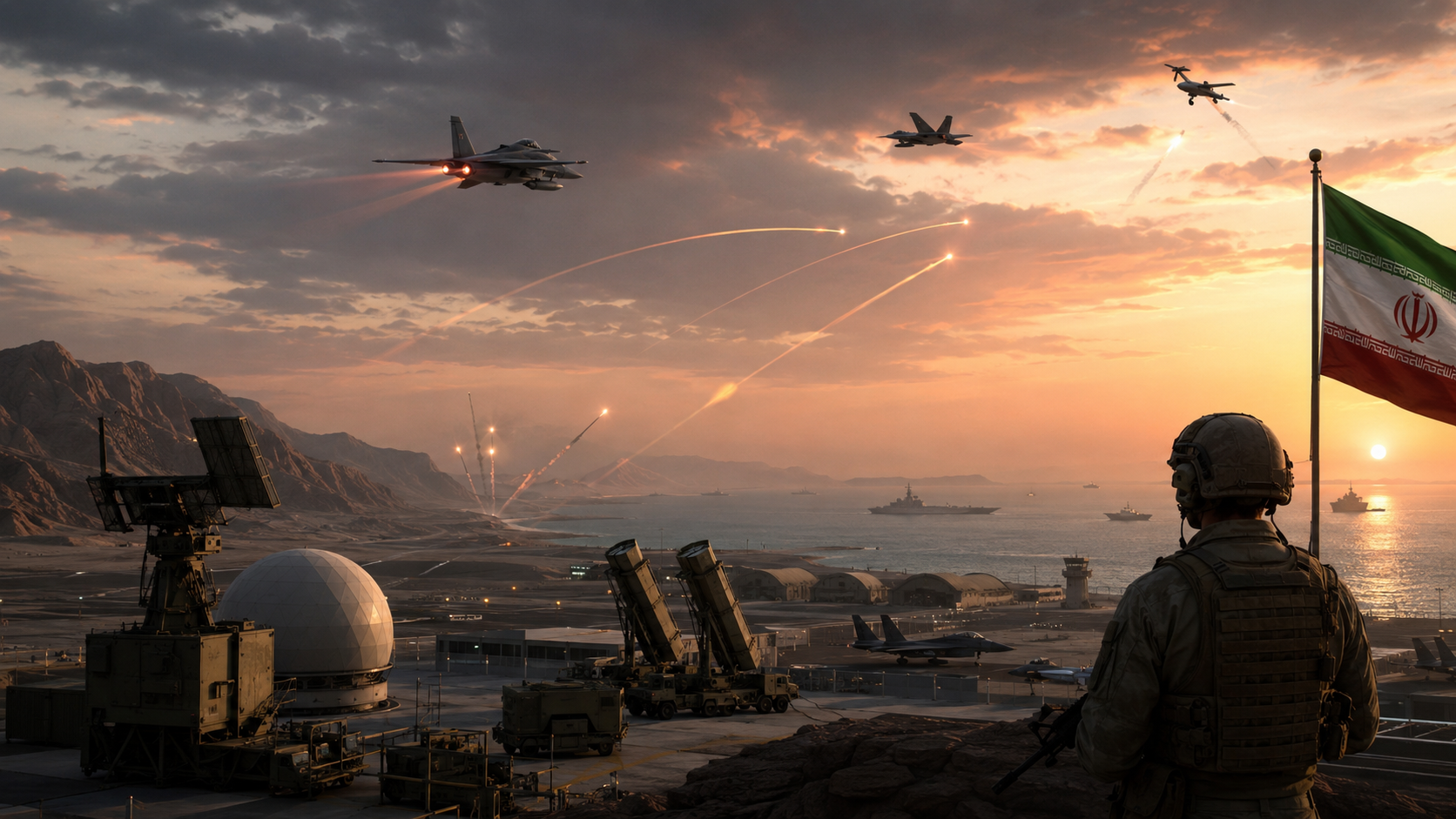
Iran's Islamic Revolutionary Guard Corps (IRGC) on Thursday, May 28, 2026, stated that it had targeted a United States airbase at approximately 4:50 a.m. local time, in response to a US attack near Bandar Abbas. The IRGC did not specify the base and warned that the response would be stronger if there was further "aggression."
The statement came after a US attack on Wednesday, May 27, 2026, which US officials described as defensive in nature, included targeting a military site in Bandar Abbas and shooting down four Iranian single-purpose attack drones near the Strait of Hormuz. The US said the site was a ground control station preparing to launch additional drones.
This latest escalation adds to uncertainty while diplomacy is still ongoing. Both sides had previously stated progress toward a temporary agreement to extend the ceasefire and reopen the Strait of Hormuz, but a Reuters report said the exchange of attacks increased the risk of a collapse in the talks.
For the market, this dynamic keeps the geopolitical risk premium "sticky," especially for assets sensitive to the smoothness of energy supplies. When the risk of a Hormuz disruption rises, oil volatility typically increases and can rekindle concerns about energy inflation, which in turn influences interest rate expectations and dollar movements.
The next variables to monitor are confirmation of damage or the actual impact of the IRGC's claims, the continued US response, and any official signals regarding the status of the ceasefire and the mechanism for opening Hormuz. As long as there is no certainty about implementation, the market has the potential to remain headline-driven.
The combination of military escalation and the latest US sanctions tends to lift oil as the supply risk premium re-enters prices, especially while Hormuz's operational status remains unclear. At the same time, the dollar typically strengthens as investors become more cautious and seek safer assets. The impact on gold is more of a tug-of-war: geopolitical tensions can support safe-haven demand, but if higher oil prices reinforce the "higher for longer" inflation and interest rate narrative, gold is often pressured by the weight of yields and a stronger dollar. (asd)*
Source: Newsmaker.id