Israel Expands Lebanon Operations as US–Iran Talks Move Slowly
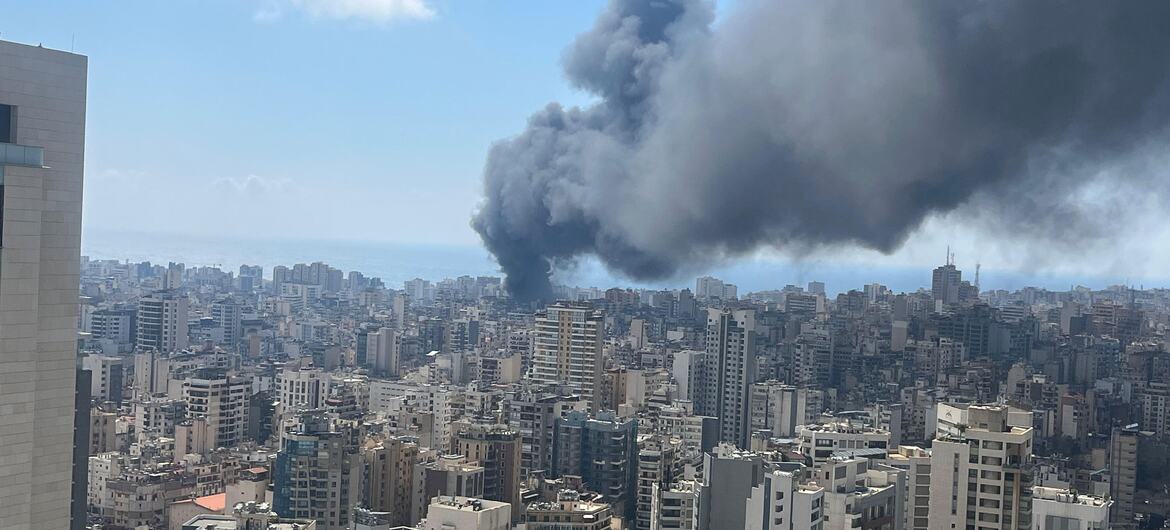
Israel stepped up strikes in Lebanon and said its ground forces will push further into the country, a move that could complicate ongoing US–Iran negotiations over an interim peace arrangement. The Israeli military said troops will move beyond a roughly 10-kilometer strip in southern Lebanon as it continues fighting Iran-backed Hezbollah.
The escalation comes as Tehran and Washington continue talks aimed at extending a ceasefire by around two months and reopening the Strait of Hormuz, but progress remains slow. Israel also intensified operations elsewhere and on Tuesday was reported to have killed the new head of Hamas’s military wing in Gaza, another Iran-aligned group, adding to the region’s multi-front pressure.
Iran has insisted any ceasefire must cover “all fronts,” including Lebanon. Israel, which widened the conflict when it struck Iran alongside the US in late February, is reluctant to accept limits on its actions in Lebanon, arguing the operations are necessary to protect its communities and counter Hezbollah rockets and drones. While both the US and Iran have said talks via mediators such as Pakistan and Qatar are advancing, US Secretary of State Marco Rubio said on Tuesday an agreement would likely take a few more days.
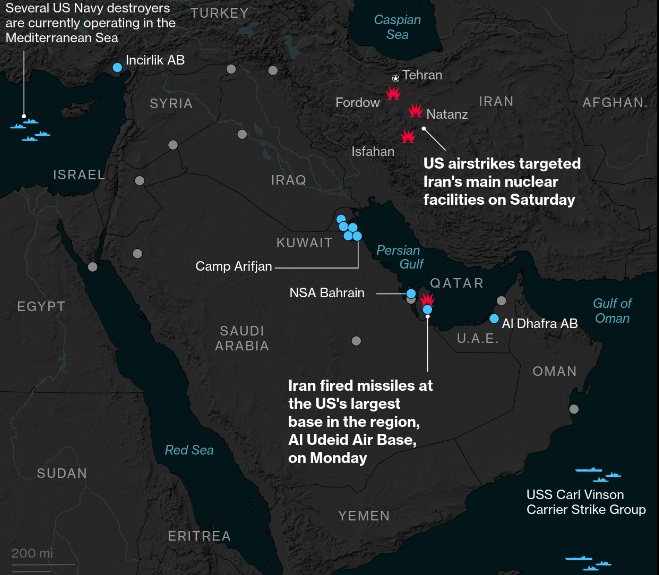
Tensions around Hormuz remain elevated. Reports said the US killed several Iranian soldiers on Monday night in an attack on vessels it accused of laying mines near the strait; Iran retaliated against US jets and said it downed an unmanned drone. Ali Bagheri-Kani, deputy secretary of Iran’s Supreme National Security Council, said indirect contacts with the US are continuing, but stressed that “until we have agreed on all issues, we consider that we have agreed on nothing.”
A core sticking point is whether Iran will guarantee free passage through Hormuz under an interim deal that would also see the US lift its blockade of Iranian ports. Washington says unrestricted passage is essential, while Tehran wants control over traffic through the narrow corridor that normally carries about a fifth of global oil and liquefied natural gas flows. Bagheri-Kani said passage rules will not return to pre-war norms and that Iran and Oman are discussing a new mechanism.
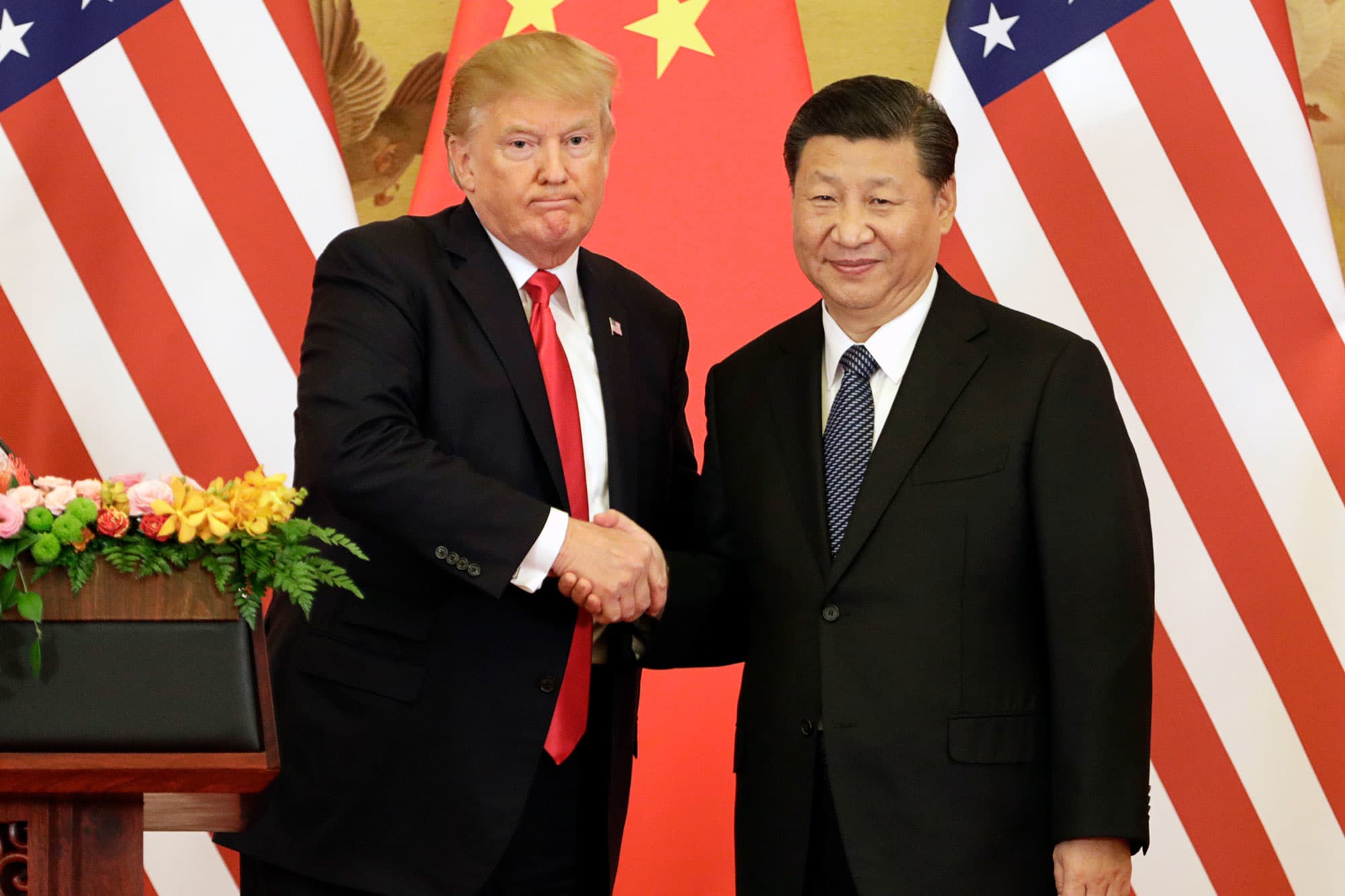
Another unresolved issue is how much of Iran’s financial assets would be unfrozen and on what timeline. Iranian state media said on Tuesday Tehran wants $12 billion released once the memorandum of understanding is agreed. Iran hawks in the US, including Senator Lindsey Graham, are expected to push back against such terms and pressure President Donald Trump to resume heavier military action.
Energy markets have remained relatively optimistic that a deal can still be reached, with Brent easing on Wednesday to below $97 a barrel and down more than 5% this week. Still, prices remain well above pre-war levels, reflecting expectations that even if Hormuz reopens, restoring normal flows could take months.
Sumber : Newsmaker.id