Negotiations Are On Track, But Why Were Iranian Vessels Attacked in Hormuz?
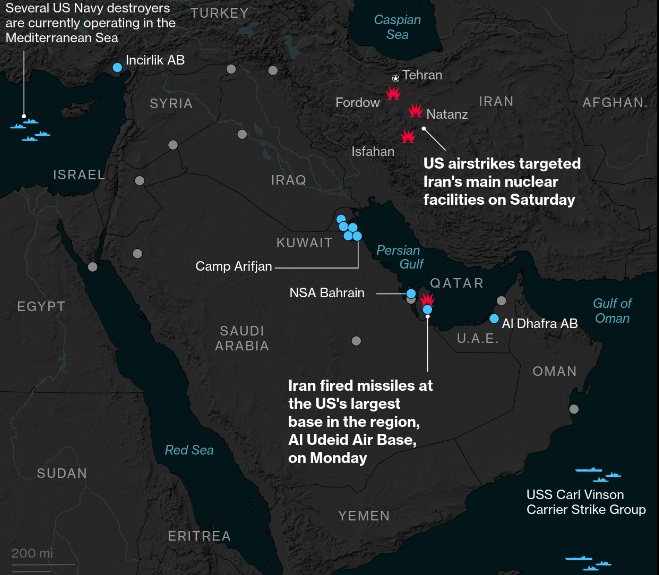
Reports of US and Israeli airstrikes on several Iranian vessels in the Strait of Hormuz emerged just hours after US President Donald Trump declared negotiations with Tehran on an interim deal “going well.” This development suggests the path toward reopening Hormuz remains fraught with the risk of escalation.
Iranian state media outlet Nour News reported the attacks, which occurred south of Larak Island in the Strait of Hormuz and upset several Iranian personnel, without further authorization. The incident comes as markets hope the existing ceasefire could evolve into a longer-term truce and reopen the region’s most crucial energy shipping lane.
The renewed clashes in the Persian Gulf highlight the fragility of the US-Iran truce. The Strait of Hormuz has been virtually “closed” since the US and Israel attacked Iran in late February, triggering energy shocks and driving global inflationary pressures, as risks to oil and gas supplies are recalculated.
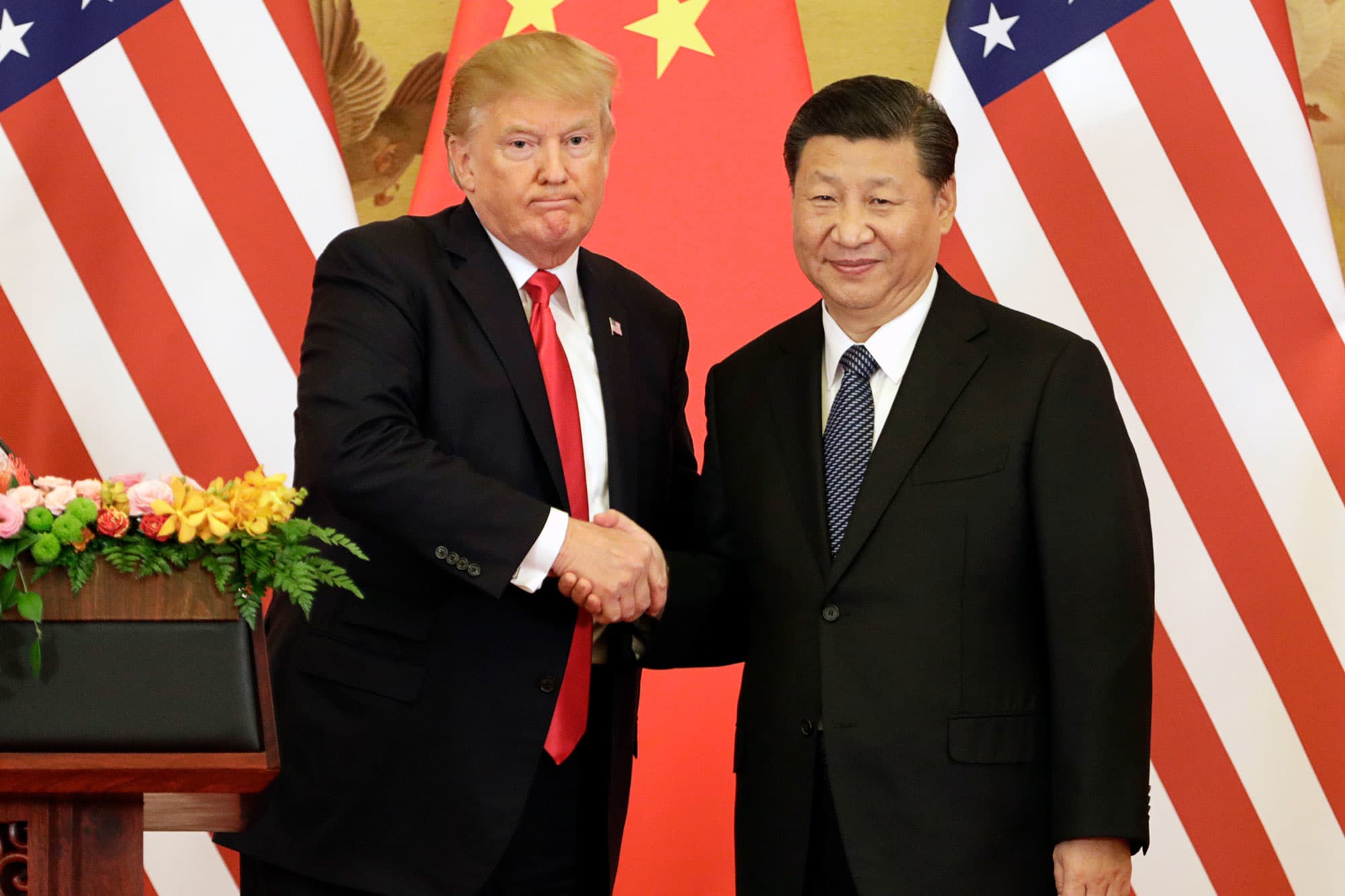
On the diplomatic front, Trump also encouraged Saudi Arabia, Qatar, and other countries to join the Abraham Accords and recognize Israel. He also stated that Iran's enriched uranium would be handed over to the US or, according to his preference, destroyed in Iran.
Regional tensions have also spread to Lebanon. Israeli Prime Minister Benjamin Netanyahu said Israel would escalate its attacks on Hezbollah following attacks on several sites in southern Lebanon. The escalation followed a Hezbollah drone landing in Israeli territory and a rocket fired toward Israel that was intercepted.
For Iran, hostility toward Hezbollah is a prerequisite for any peace agreement with the US. Aksio, which reported on a potential draft US-Iran agreement, includes language that would culminate in an end to the war between Israel and Hezbollah, but military dynamics on the ground indicate that the negotiation path remains highly sensitive to security events in the region.
The escalation in Hormuz is likely to raise the energy supply risk premium, making oil potentially, or at least, more volatile. The impact on gold is more mixed: gold could be supported as a hedge against rising geopolitical risks, but its upside potential could be limited if additional energy fuels inflation concerns and reinforces expectations of higher interest rates. For the US dollar, the trade-off between safe-haven demand (supporting the dollar) and changing policy expectations is typically determined. In the context of the Hormuz headlines, the market will generally be more sensitive to whether this risk prolongs energy disruptions or paves the way for de-escalation through an agreement. (asd)
Source: Newsmaker.id