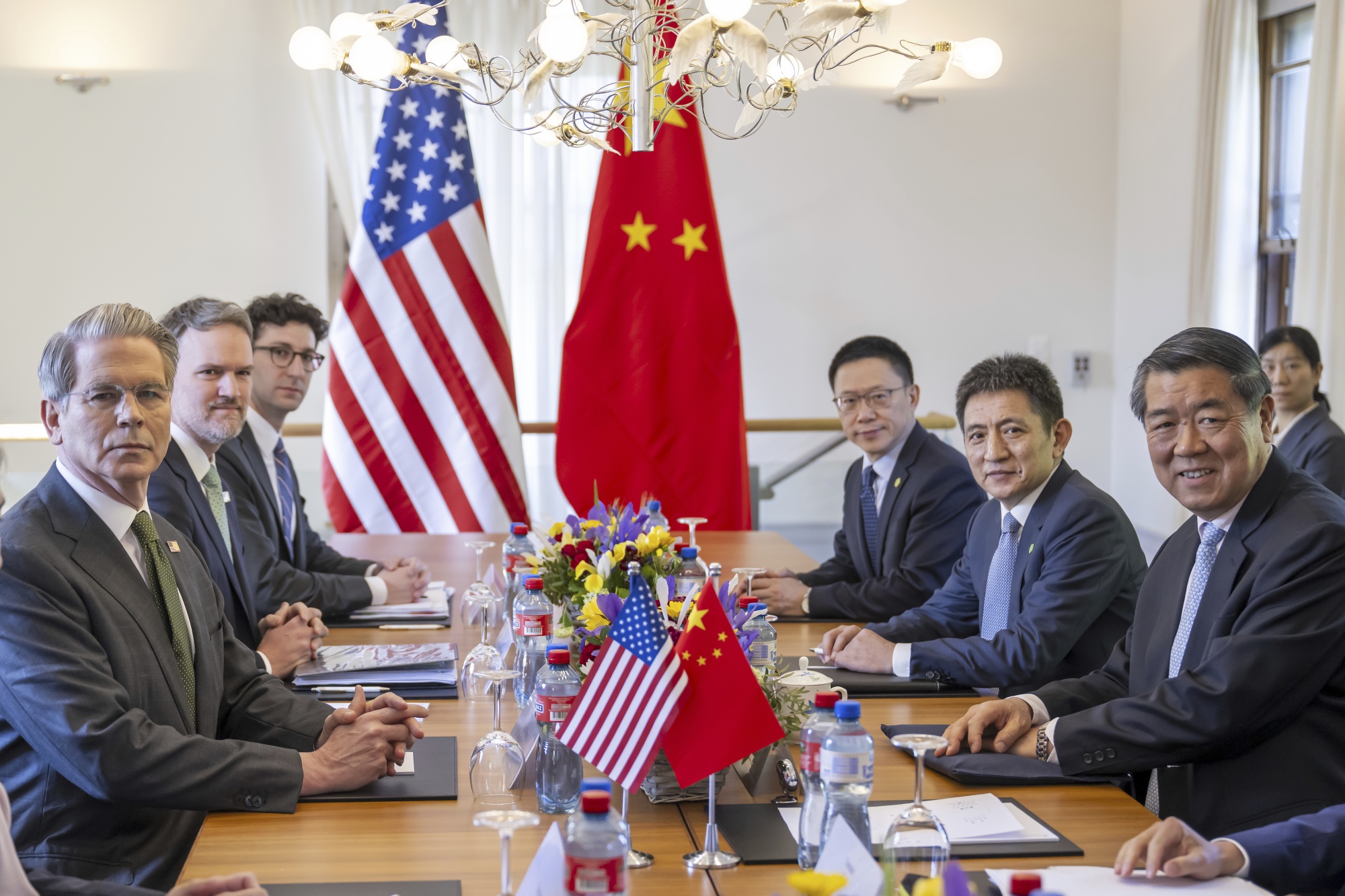
US–China Diplomacy Heats Up, US–China Negotiations Point to Hormuz
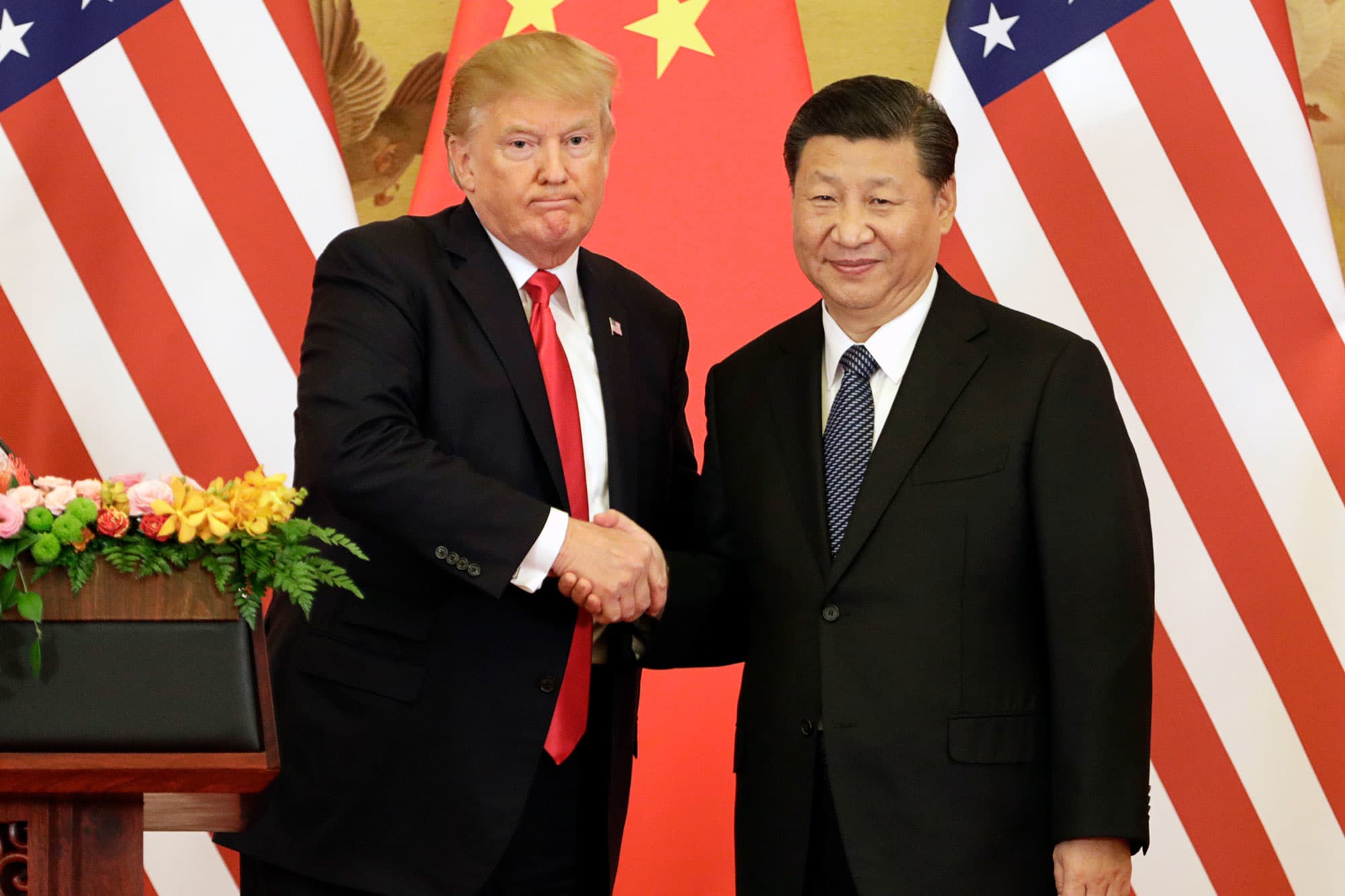
Chinese Vice Premier He Lifeng met with South Korean President Lee Jae Myung in Seoul, ahead of He's meeting with US Treasury Secretary Scott Bessent. The series of meetings was held to finalize the agenda leading up to the upcoming summit between the leaders of the world's two largest economies, US President Donald Trump and Chinese President Xi Jinping.
During the meeting with He, Lee is expected to discuss a range of issues, from preparations for the Trump–Xi summit to efforts to maintain stability on the Korean Peninsula and the Asian region. This momentum also highlights Seoul's strategy to emerge as a constructive player amid the intensifying US–China rivalry.
On Wednesday, US and Chinese negotiators led by He and Bessent are scheduled to review the latest developments in bilateral trade relations and discuss topics including the Iran war. The outcome of these talks will lay the groundwork for Trump's visit on May 13–15, billed as the first visit by a US president to Beijing in nearly a decade.
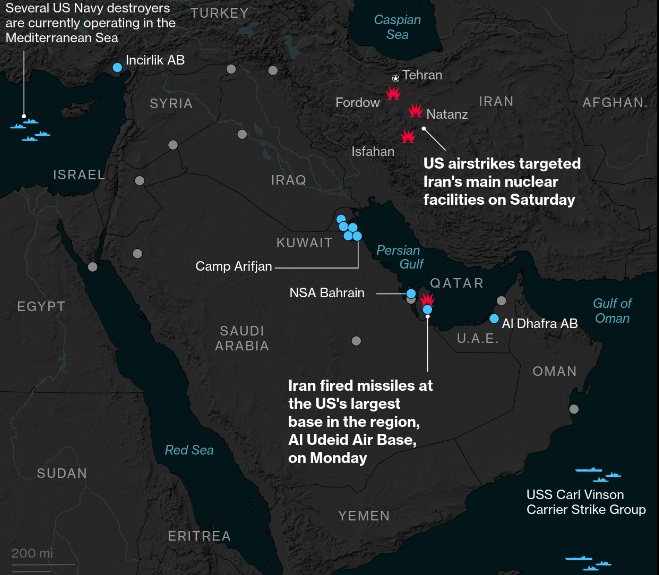
On the energy front, the White House is increasing pressure on China and other countries still dependent on Iranian oil imports to help reopen the Strait of Hormuz. The US is also pushing for China to join the ship escort operation, as Washington imposes sanctions on Chinese refineries processing Iranian crude.
The conflict, which began in late February, has triggered an oil crisis and highlighted the vulnerability of energy importers like South Korea, where the majority of its supplies, including around 70% of its oil imports, pass through the Strait of Hormuz. For Lee, relations with Beijing are also crucial for managing North Korea's dynamics, given that China remains Pyongyang's main economic support while the US and its allies maintain a sanctions regime.
In recent months, the intensity of China-South Korea diplomacy has also increased. Lee visited Beijing in January, following Xi's visit to South Korea in late October, as Seoul pushes for a full restoration of bilateral relations.
From a market perspective, improving US-China negotiations typically reduce risk premiums and can curb safe-haven demand, so gold tends to lose some support if risk-on sentiment strengthens. However, for oil, the primary focus remains on supply risks and access to Hormuz: diplomatic progress that opens the shipping lane could potentially lower risk premiums, while a stalemate tends to keep prices high. For the US dollar, direction could depend on a combination of risk sentiment and interest rate expectations: easing geopolitical risks could weaken defensive demand for the dollar, but the dollar remains sensitive to the path of inflation and yields, which are influenced by energy prices. (asd)
Source: Newsmaker.id