Iran Sends New Proposal to US, What's in It?
Iran has reportedly submitted a new proposal to the United States via Pakistan, as the two sides continue behind-the-scenes diplomacy to transform a fragile ceasefire into a more permanent agreement. Meanwhile, President Donald Trump has reiterated his commitment to maintaining the naval blockade, adding to uncertainty about the direction of future talks.
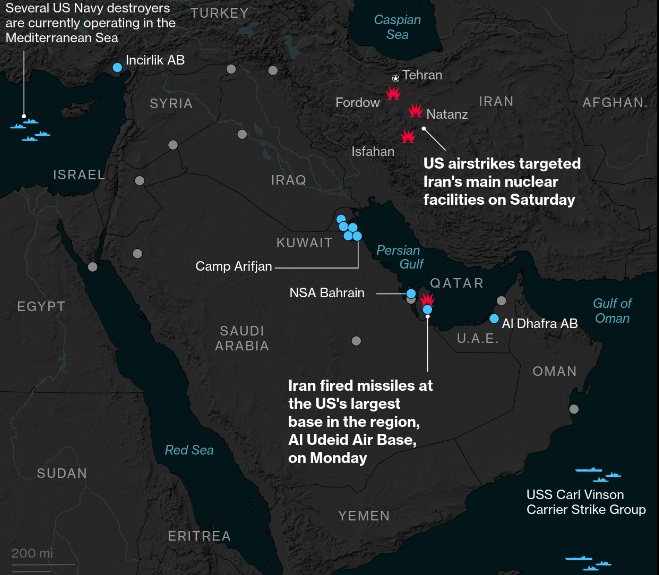
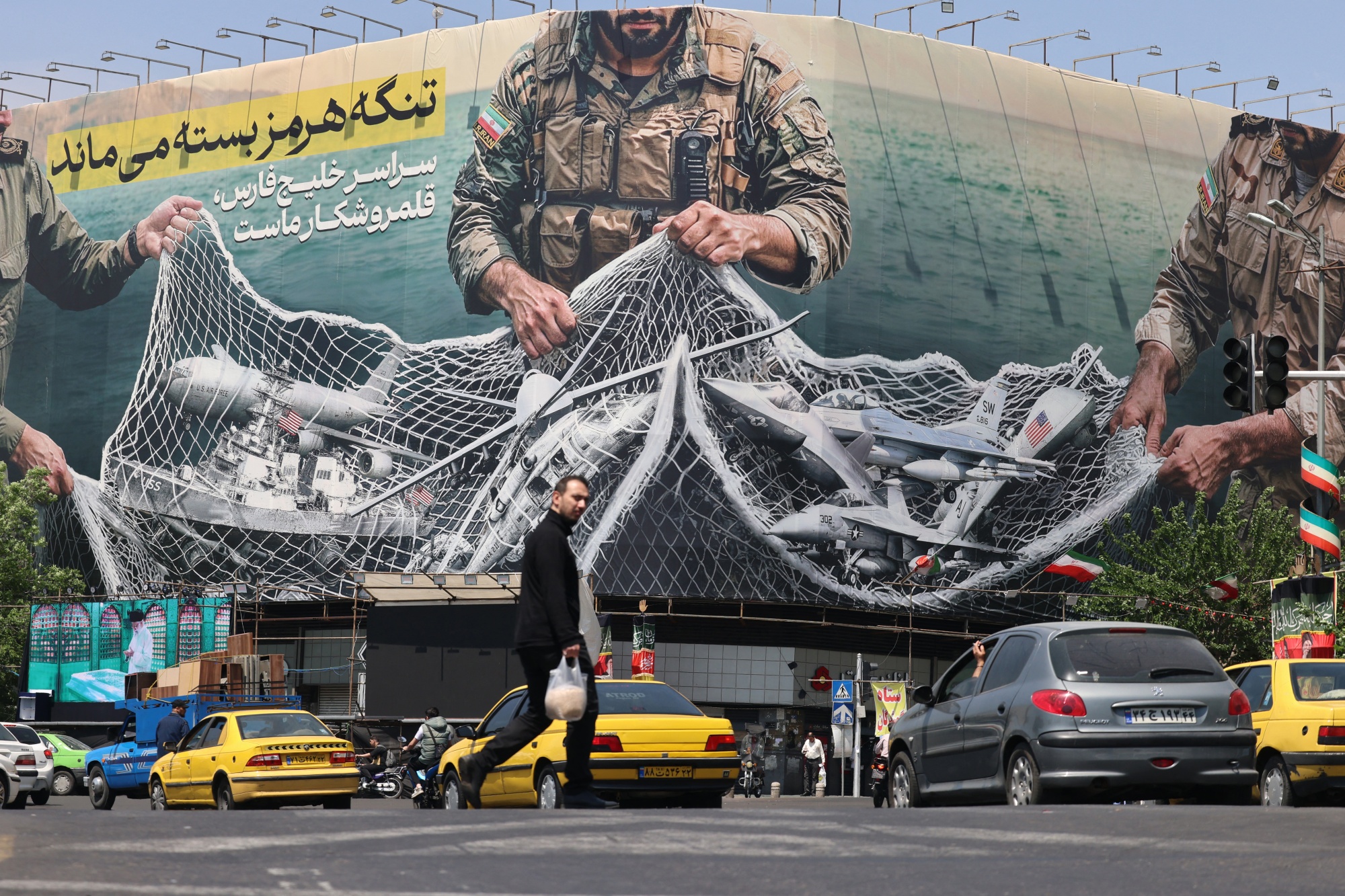
The crux of the impasse remains the fate of the Strait of Hormuz, a strategic waterway that before the war carried about a fifth of global oil and LNG flows. Iran and the US have both signaled they will wait for the other party's actions before agreeing to easing traffic restrictions. Meanwhile, Iran's state-run news agency (IRNA) did not elaborate on the contents of the proposal Iran sent to the US, whether it had anything to do with Hormuz or the nuclear issue.
Previously, Trump stated that the blockade of Iranian ports was cutting off essential oil revenues for Tehran and argued that such pressure would push Iran back to the negotiating table. However, Iranian Parliament Speaker Mohammad Bagher Ghalibaf dismissed the effectiveness of the blockade, insisting that restrictions must be lifted as a precondition for new talks and the reopening of Hormuz, warning that this could push oil prices higher.
While geopolitical risks remain high, the oil market corrected on Friday. Brent fell about 3% to around US$100 per barrel, trimming this week's gains to just over 5%, reflecting a trade-off between the supply risk premium and the market's assessment of the chances of de-escalation.
In Washington, Trump reportedly received a briefing on Thursday from the head of US Central Command and the chairman of the Joint Chiefs of Staff. US media also reported that the military has prepared limited options to break the deadlock in negotiations, suggesting that security and diplomacy remain intertwined and could potentially influence market risk perceptions.
Meanwhile, the US is encouraging allies to form a joint naval force to secure the Strait of Hormuz in an initiative called the "Maritime Freedom Construct," but partner support appears contingent on the continuation of the ceasefire.
From Tehran's perspective, Iran's new supreme leader, Mojtaba Khamenei, has stated that he will not give up nuclear or missile technology, while also signaling that Iran will maintain control of Hormuz. This means the market will likely continue to monitor policy dynamics, the status of shipping restrictions, and further signals from US-Iran diplomacy as factors influencing the direction of energy risk premiums. (srh)
Source: Newsmaker.id