Trump Considers Iran Military Options, Nuclear Risks Extend Hormuz Tensions
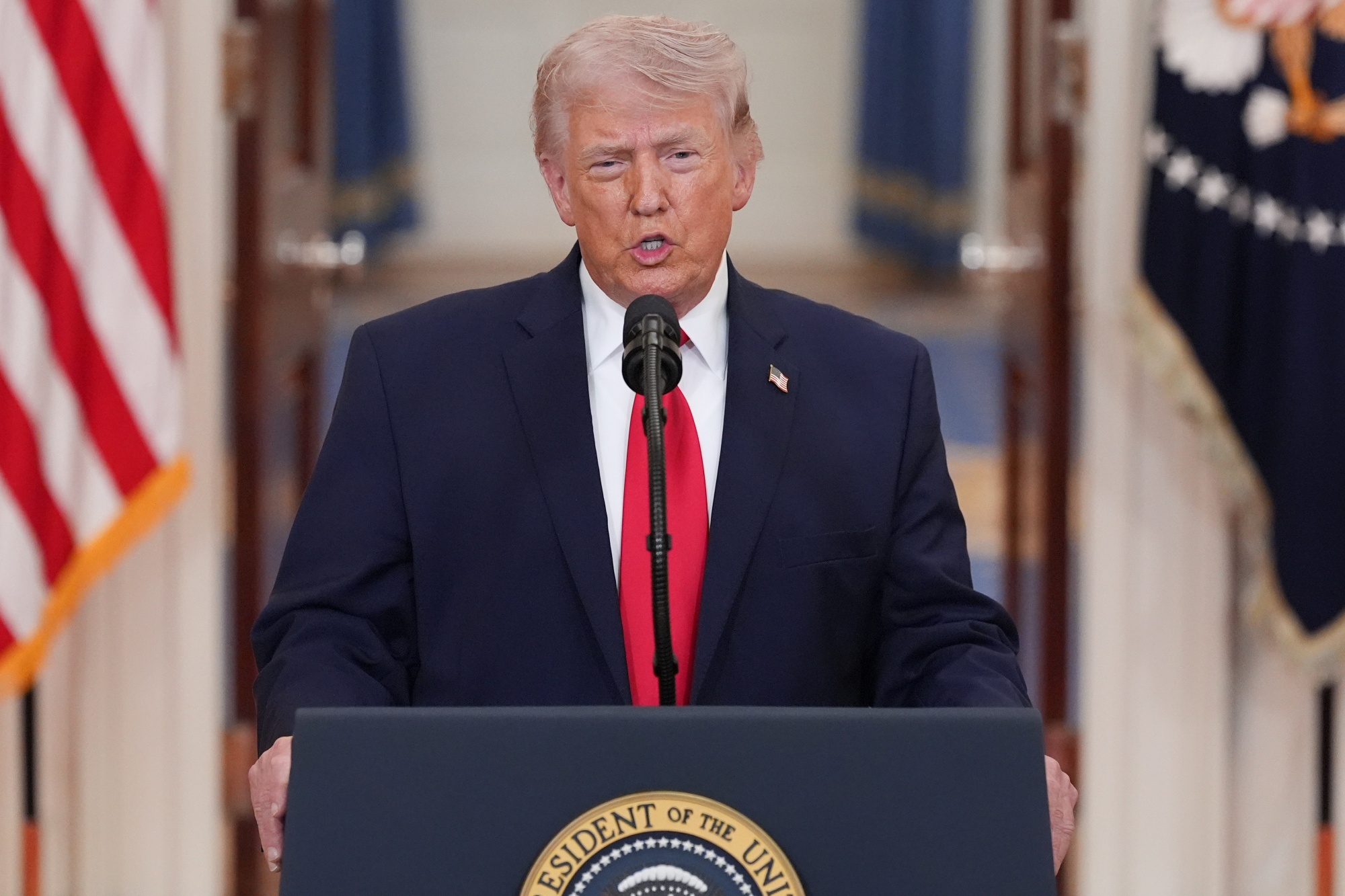
US President Donald Trump is scheduled to receive a briefing on the latest military options regarding Iran from Pentagon officials on Friday, according to a CNN report. Trump also reiterated his complaints about Congress's attempts to limit war powers, after the Senate rejected the latest measure on the issue.
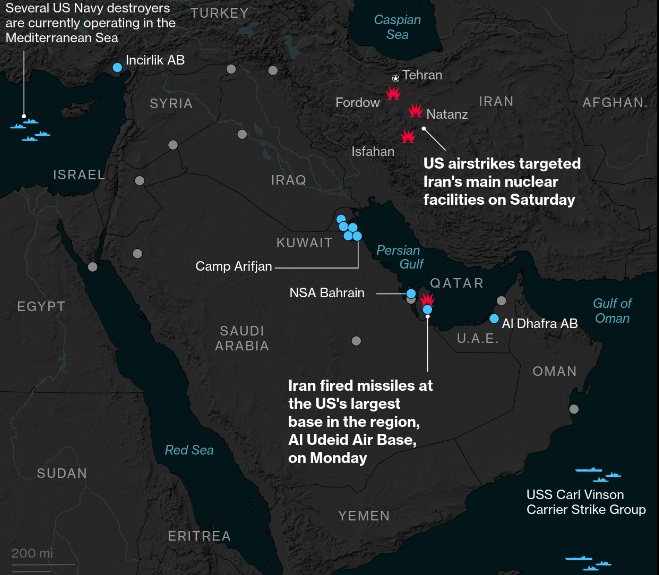
On the ground, Trump has insisted on maintaining a naval blockade of Iranian ports, amid concerns that the Strait of Hormuz will not be reopened soon. Iran, through its supreme leader, Mojtaba Khamenei, has reiterated its commitment to maintaining nuclear and missile technology and signaled its continued control of the region.
Diplomatic efforts have also reached a stalemate. Vice President JD Vance stated that negotiations have failed because Iran refuses to make a long-term commitment to end the possibility of acquiring nuclear weapons, leaving the future of Iran's nuclear program a key sticking point in the Washington-Tehran standoff.
The narrative discussed in this material is increasing the incentives for a nuclear "deterrent" as the threat of attack, sanctions, and security threats intensify. Several historical examples of nuclear-weapon states outside the NPT framework are used to illustrate how nuclear possession can alter risk calculations, while the resilience of the nonproliferation regime is increasingly being tested.
These tensions are not isolated: a prolonged shutdown or disruption of strategic energy routes increases the costs to the global economy, while security alerts force other countries to reassess long-term defense options. With Hormuz as a key pressure point, the direction of the conflict and subsequent political decisions are the most crucial variables in determining risk escalation.
Looking ahead, market impacts are likely to flow through geopolitical risk and energy inflation channels: oil could potentially remain volatile and retain a risk premium as long as Hormuz remains volatile, while the dollar could strengthen as risk-off intensifies but weaken if other foreign exchange factors dominate. Gold could potentially benefit from hedging demand when its price rises, but its upside potential could be limited if interest rate expectations remain high due to energy inflationary pressures. The market will look to Hormuz headlines, energy price direction, and central bank policy signals as key determinants. (asd)
Source: Newsmaker.id