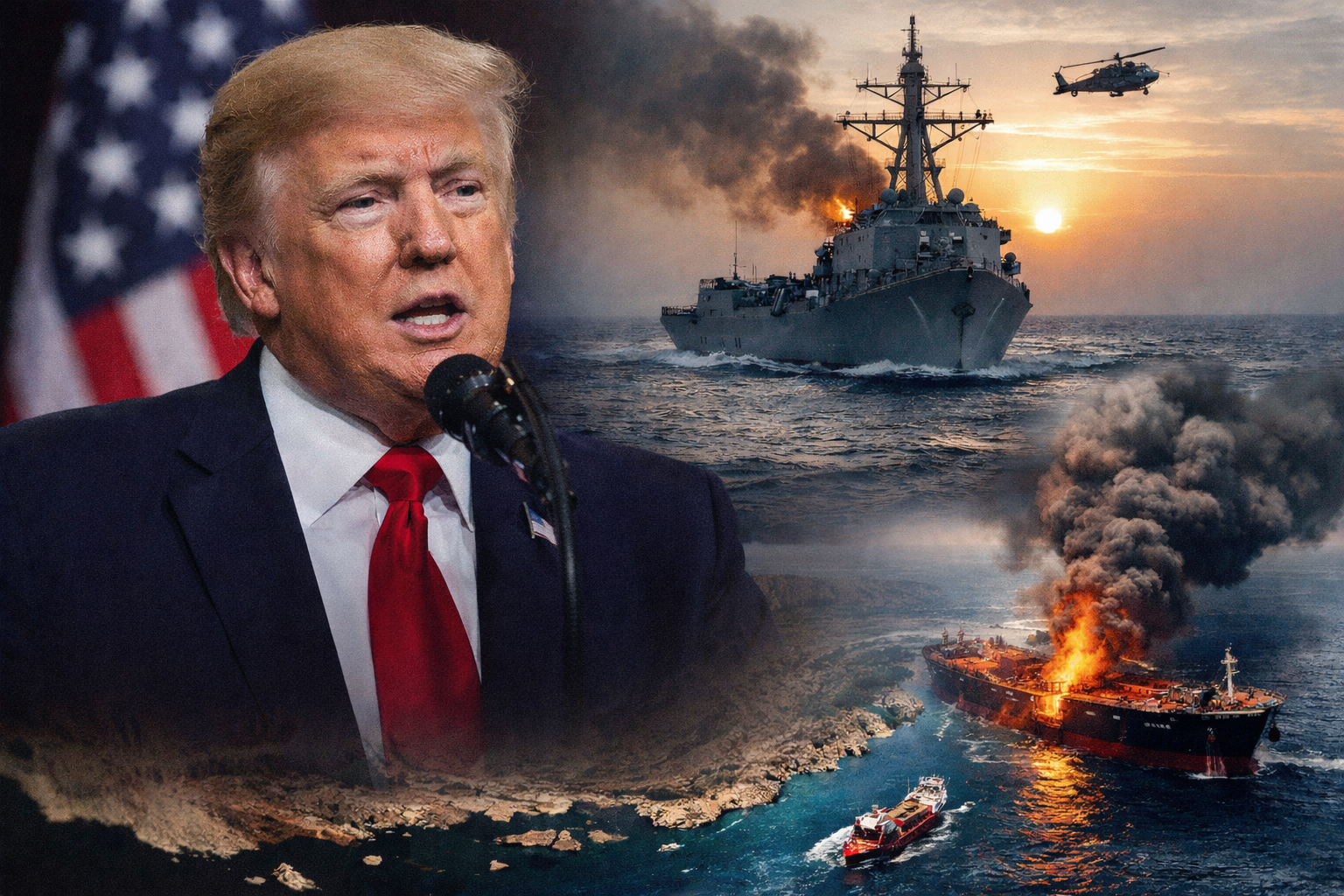
Trump Maintains Iran Blockade, Markets Reprice Hormuz Risk
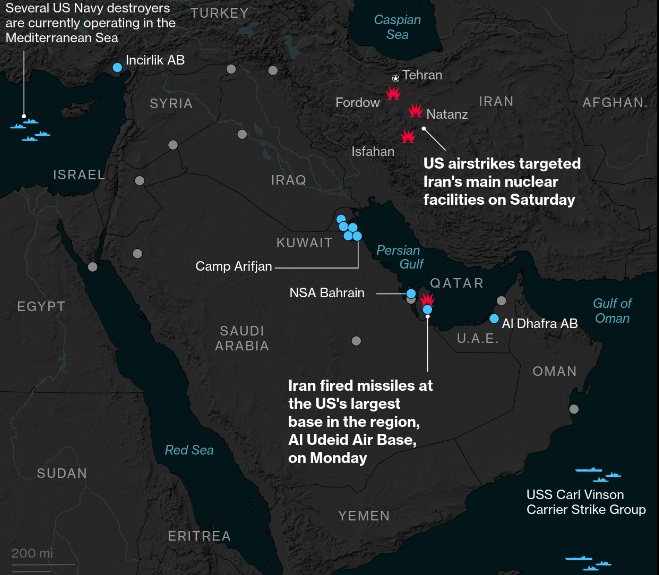
US President Donald Trump reiterated his commitment to maintaining a naval blockade of Iranian ports, despite oil prices briefly soaring to their highest levels since the war amid concerns the Strait of Hormuz would not be reopened anytime soon. "Their economy is collapsing, this blockade is incredible," Trump told reporters at the White House on Thursday (April 30), noting that economic pressure would determine how long Tehran would persist.
Oil prices remain volatile. The Brent contract briefly rose to US$126 per barrel before weakening to around US$114, and is still up more than 8% this week. The market believes the Washington-Tehran standoff maintains a risk premium as oil and gas flows through Hormuz remain disrupted, while the US blockade and Iranian restrictions make it difficult for energy traffic to return to normal. The primary market transmission channel remains the same: supply bottlenecks tighten physical conditions, push up energy prices, and then increase the risk of inflation.
Domestic political pressure is also growing in the US. Retail gasoline prices are said to have risen sharply in several regions, with the national average hitting a new high and prices in California surpassing $6 per gallon. Trump said gasoline prices would fall rapidly "once the war is over," but markets still see an unclear path to de-escalation.
From Tehran, Iran's new supreme leader, Mojtaba Khamenei, issued a rare statement that diminished the chances of a quick deal. He asserted that Iran would not give up nuclear or missile technology and hinted that Tehran would retain control of the Strait of Hormuz. Iran also stated that it would not open the strait to commercial shipping as long as the US blockade remains in place, while markets wait to see how long Iran can hold out before oil storage constraints force production adjustments. Signs of economic pressure are said to have emerged through the weakening of the currency to a new low.
On the US side, Axios reported that military commanders will brief Trump on next-step options, including plans for a short-term strike to break the deadlock in negotiations. Bloomberg Economics analysts believe the question is no longer whether escalation will occur, but when and what form it will take, with a window of risk likely to emerge within the next two weeks.
The market is now monitoring three key variables: the direction of the US blockade policy and Iran's response to the opening of Hormuz, further signals regarding Washington's military options, and the continued impact of energy prices on inflation and domestic political pressure in the US. (Arl)
Source: Newsmaker.id