Pakistan Pursues Ceasefire Extension, Risk-On Sentiment Rebounds
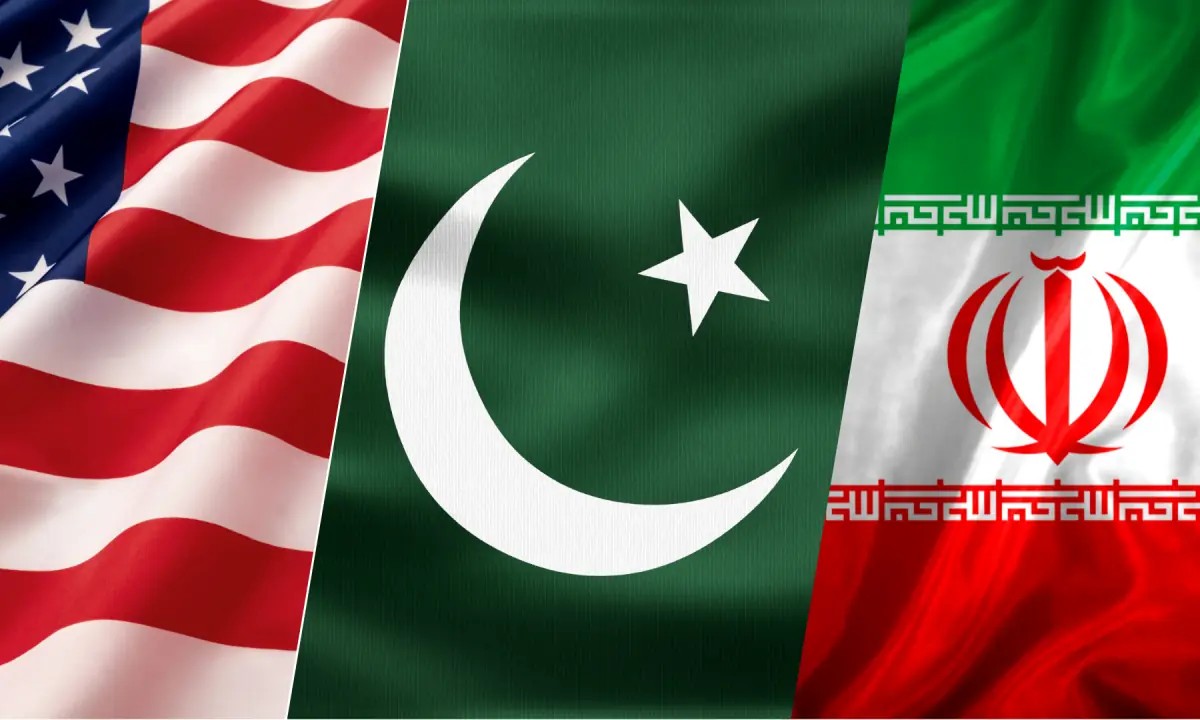
Pakistan is stepping up efforts to get the United States and Iran to extend the ceasefire, which is scheduled to expire next week, to give the two sides more time to negotiate a more permanent peace deal. Market expectations for an extension have risen in the past two days, with global markets reversing losses from the war and some hitting new records.
According to sources familiar with the discussions, Washington and Tehran are considering extending the ceasefire for another two weeks. However, both sides have stated that no agreement has been reached beyond the deadline set for Tuesday evening US time. The White House also said there has been no formal request for an extension, although it acknowledged that negotiations are ongoing and Pakistan is the sole mediator.
On the market front, the MSCI All Country World Index rose 0.3% to a record and headed for its 10th consecutive day of gains, its longest streak since September. Asian stocks rose 1.3%, nearly erasing war-induced losses. Brent held around $95 a barrel, well below last month's peak of nearly $120, but the recovery of Gulf energy flows remains a major question.
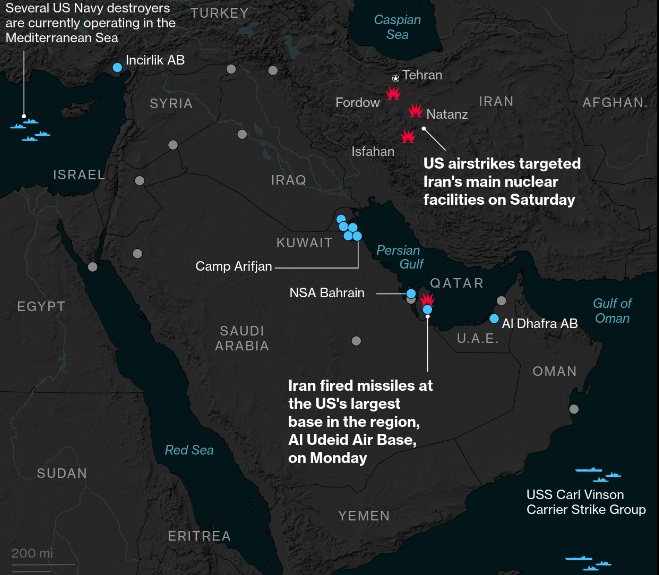
The crucial point remains the Strait of Hormuz. The US is still maintaining a blockade that began Monday on shipping to or from Iranian ports, after talks in Islamabad ended without an agreement. Iran views the prolonged blockade as a "prelude" to a ceasefire violation and has warned that imports and exports in the Persian Gulf, the Sea of Oman, and the Red Sea could be affected if the blockade continues. Meanwhile, the opening of Hormuz, Iran's nuclear and missile programs, and sanctions relief remain the most difficult issues on the agenda.
Pakistan has positioned itself at the center of diplomacy. Pakistani army chief Asim Munir visited Iran on Wednesday and was welcomed by Iranian Foreign Minister Abbas Araghchi, continuing a series of mediation efforts after Pakistan hosted a summit last weekend. But Washington is also increasing pressure: reports suggest the US will send thousands of additional troops to the Middle East in the coming days.
Complexities are growing in Lebanon. Israel halted attacks on Iran last week but is continuing its campaign against Hezbollah in Lebanon and plans to expand the buffer zone. There has been talk of a potential ceasefire in Lebanon, but nothing has been finalized. The US has stated that the Israel-Lebanon negotiations are separate from the US-Iran talks, although a de-escalation in Lebanon is seen as a potential easing of tensions weighing on the diplomatic track.
For the market, an extension of the ceasefire has the potential to lower energy risk premiums and contain inflationary pressures, but the recovery of the Gulf Stream could take time even if an agreement is reached. Further risks also include disruptions to non-energy supplies such as fertilizer, which could depress food production and prices, with the UN stating its readiness to establish a fertilizer shipping corridor through Hormuz if a political agreement is reached.
Market participants will be monitoring confirmation of the ceasefire extension before Tuesday's deadline, the status and regulations of the US blockade, actual shipping volumes in Hormuz, the direction of Brent, developments on the nuclear and sanctions issues, and any escalation between Israel and Hezbollah that could test the resilience of the diplomatic process. (Arl)
Source: Newsmaker.id