US-Iran Rule Out Ceasefire Extension, Hormuz Remains Closed
The US and Iran are also considering a two-week extension of the ceasefire to allow more time for negotiations toward a peace deal. With the initial ceasefire set to expire next week, mediators are pushing for technical talks to resolve the most sensitive issues, including reopening the Strait of Hormuz and the future of Iran's nuclear program.
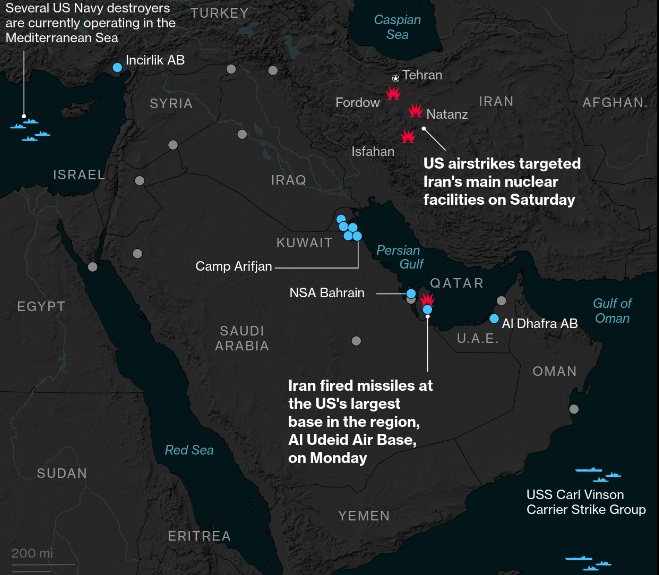
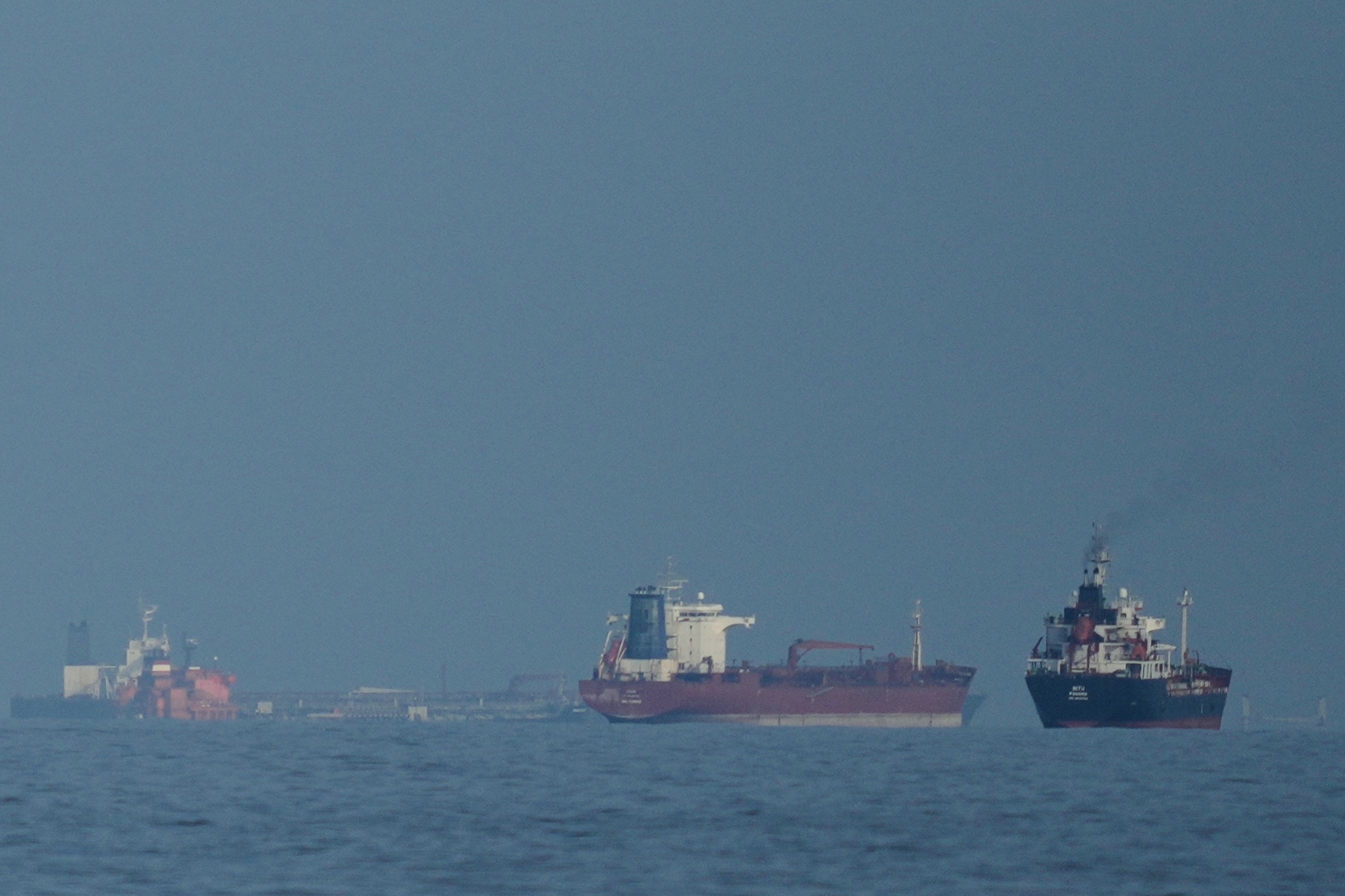
Tensions remain high in the Strait of Hormuz, a vital oil and gas artery that has been effectively "closed" since the war began nearly seven weeks ago. The US has set up a naval blockade to cut off Iranian shipping and says 10 have been forced to turn back, while Tehran maintains the strait's closure to most other traffic.
The standoff has reduced shipping to a trickle, contributing to an energy supply crisis that risks hurting the global economy. Although US-Iran fighting has been suspended since around April 8 after the two-week ceasefire was announced, an initial round of peace talks in Pakistan last weekend ended without an agreement. The White House said it has not "formally requested an extension," but stressed that it remains actively involved in the negotiations.
On the ground, military pressure is also increasing. Reports indicate the US will send thousands of additional troops to the Middle East in the coming days, including approximately 6,000 personnel on the aircraft carrier USS George H.W. Bush and its strike group, to pressure Tehran to reach an agreement or prepare options if the ceasefire ends. Pakistan continues its mediation role, with the military saying a delegation has arrived in Iran.
Iran has been criticized for the US blockade, which is considered a preliminary violation of the ceasefire. An Iranian military commander stated that the armed forces will not allow exports or imports to continue through the Persian Gulf, the Sea of Oman, or the Red Sea if the blockade continues. In the market, oil has held steady below US$95 per barrel, well below last month's peak of nearly US$120, amid hopes that talks can resume.
De-escalation efforts are also addressing regional dynamics and the nuclear issue. Israel has halted attacks on Iran but continues operations against Hezbollah in Lebanon, while there are reports of ceasefire talks between Israel and Lebanon that have not yet reached a conclusion. On the nuclear front, the US and Iran remain at odds over enrichment; Iran has stated that it is not pursuing weapons and considers the level and type of enrichment "negotiable," while IAEA inspection access is said to remain restricted. Even if a deal is reached, restoring Gulf energy flows will take time and raise market concerns about inflation risks, including potential disruptions to fertilizer supplies—with the UN stating it is ready to establish a fertilizer corridor through Hormuz if a political agreement is reached. (asd)
Source: Newsmaker.id