U.S., Iran Seek More Ceasefire Talks Amid Hormuz Blockade
The United States and Iran are working to arrange a second round of peace talks in the coming days, even as a standoff in the Strait of Hormuz worsens a global energy shock and complicates diplomacy. People familiar with the matter said the aim is to hold additional discussions before the April 7 ceasefire expires next week.
One proposal is to return to Pakistan, where initial negotiations were held last weekend, though other venues are also being considered, the sources said. Trump, cited by the New York Post, said talks could resume “over the next two days” in Pakistan, building on a marathon but inconclusive session in Islamabad on Saturday night.
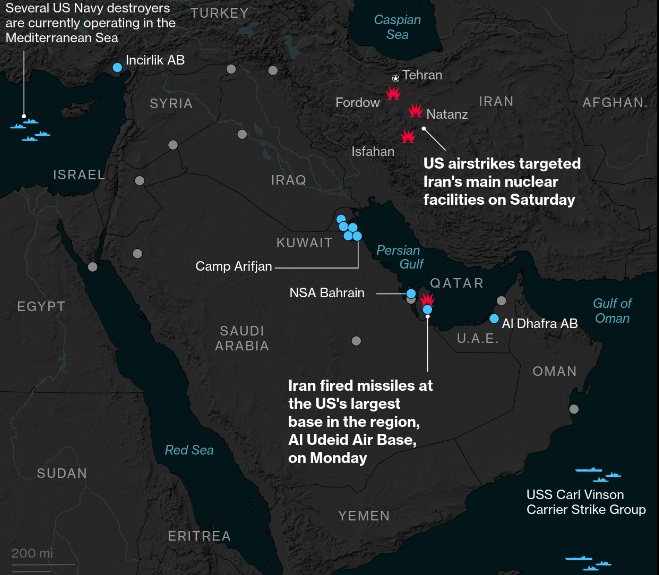
While the diplomatic track is being revisited, the U.S. is pressing ahead with a naval blockade tied to Hormuz to curb Iran’s oil exports as the struggle over the strategic waterway intensifies. U.S. officials said enforcement is being maintained around the clock with an armada of more than 12 vessels, including destroyers and the USS Tripoli amphibious warfare ship, supported by F-35 jets and Marine assets for boarding operations. A U.S. official said the fleet is concentrated in the Gulf of Oman rather than hugging Iran’s coastline or sitting inside the strait to preserve maneuvering room, ease resupply, reduce exposure to Iranian anti-ship missiles, and enable boarding operations if needed.
The Treasury Department said Tuesday the U.S. will allow a waiver temporarily authorizing purchases of certain Iranian crude to expire this weekend, after a similar waiver for Russian crude lapsed last week. Iran, meanwhile, is said to be considering a short-term pause in shipments through Hormuz to avoid testing the U.S. blockade and jeopardizing the next round of talks, according to a person familiar with Tehran’s deliberations.
Markets have been volatile. Stocks extended gains, pushing the S&P 500 within range of a fresh record amid optimism over possible diplomacy, while Brent crude ended the session nearly 5% lower, just under $95 a barrel. Still, U.S. retail gasoline and diesel prices remain at their highest seasonal levels on record, and physical markets continue to signal severe shortages: Dated Brent, a key real-world benchmark, is still trading above $120 a barrel. The International Energy Agency said surging prices for products such as jet fuel and gasoline are squeezing consumers, and warned the conflict could produce the first annual decline in global oil demand since 2020.
The push for renewed talks suggests neither side has abandoned diplomacy despite the failure of the initial Pakistan negotiations. Switzerland said it is ready to provide diplomatic support, while most fighting has paused since shortly after the April 7 truce was agreed — with Lebanon a major exception as Israel continues its campaign against Iran-backed Hezbollah. Talks between Israel and Lebanon began in Washington on Tuesday to address that parallel conflict. Separately, the U.S. said six merchant vessels complied with instructions to turn around and re-enter an Iranian port during the first day of its blockade, while a U.S.-sanctioned tanker linked to China transited out of Hormuz into the Gulf of Oman, testing enforcement as China and India warned that disruption threatens global trade.
Source : Newsmaker.id